Clothing Inventory Management: How Retail Stores Track Sizes, Stock & Sales Efficiently
April 30, 2026
.Blog
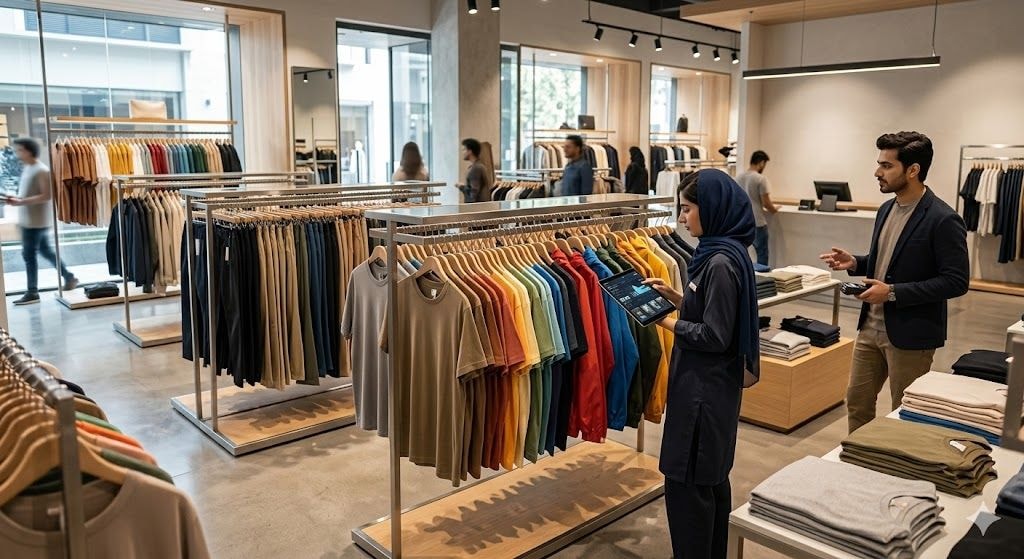
Running a clothing store looks simple from the outside. New arrivals come in, customers buy what they like, and sales grow. In reality, most retailers struggle with one invisible problem that quietly eats profits: poor clothing inventory management.
From missing sizes to dead stock sitting in storage, inventory issues directly impact sales, customer experience, and margins. This is why modern retailers are shifting from manual tracking and spreadsheets to smarter systems built specifically for apparel inventory management.
This guide breaks down how clothing stores can efficiently track sizes, stock, and sales while reducing losses and improving profitability.
Why Clothing Inventory Management Is More Complex Than Other Retail
Unlike general retail, clothing inventory is not just about counting products. Each item comes with multiple variants like size, color, and style.
A single shirt can have:
- 5 sizes
- 3 colors
- Multiple designs
That turns one product into 15 or more SKUs. Without a proper clothing inventory system, tracking this becomes chaotic.
This complexity is why clothing store inventory management needs specialized tools that handle:
- Size-wise inventory management
- Color and variant tracking
- SKU management for clothing
- Real-time stock updates
Generic systems or manual methods simply cannot keep up.
Common Inventory Problems in Clothing Stores
Most fashion retailers face the same recurring issues:
1. Stock Mismatch and Inaccurate Counts
Manual tracking or outdated systems often lead to mismatched inventory. What’s in the system doesn’t match what’s on the shelves.
2. Missing Sizes and Lost Sales
Customers walk in looking for a specific size, but it’s either out of stock or incorrectly recorded.
3. Overstock and Dead Inventory
Without proper demand forecasting, stores over-purchase certain items that never sell.
4. Slow-Moving and Fast-Moving Confusion
Retailers struggle to identify which products are selling quickly and which are stuck as dead stock.
5. Inventory Shrinkage and Theft
Without proper tracking, losses due to theft or mismanagement go unnoticed.
6. Poor Stock Replenishment
Stores either run out of popular items or overstock the wrong ones.
These challenges highlight the need for a structured clothing inventory management software rather than relying on guesswork.
Understanding Size Matrix and Variant Inventory Management
One of the most critical parts of apparel inventory management is handling product variants efficiently.
What Is a Size Matrix in Clothing Inventory?
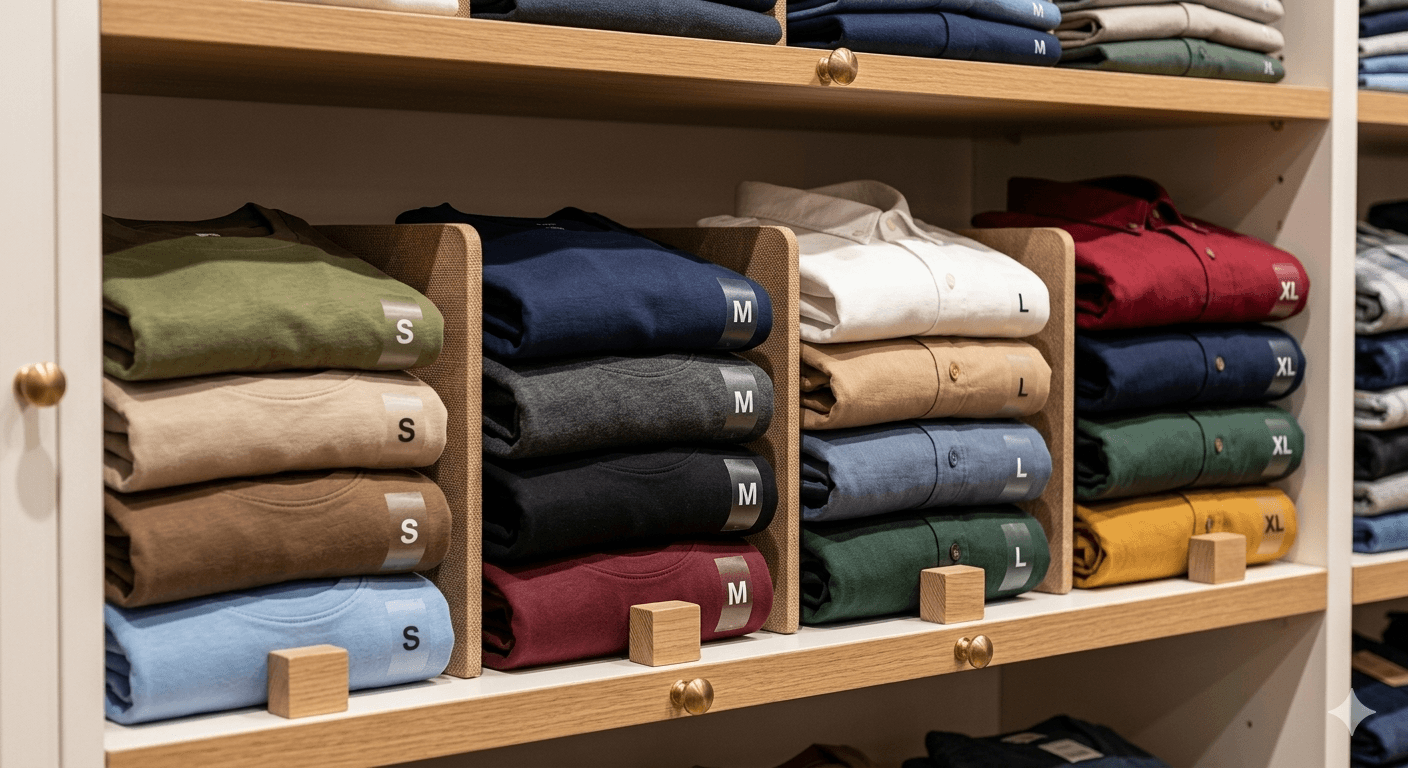
A size matrix system allows retailers to manage inventory by size and color within a single product view.
Instead of treating each variant as a separate product, a clothing inventory system organizes them together, making it easier to:
- Track size-wise inventory
- Monitor stock by color and design
- Avoid missing variants
Why Variant Tracking Matters
Without proper variant inventory management:
- Popular sizes go out of stock quickly
- Unsold sizes pile up
- Reporting becomes inaccurate
A modern fashion inventory management software ensures every SKU is tracked accurately, improving both availability and sales.
Manual vs Automated Clothing Inventory Systems
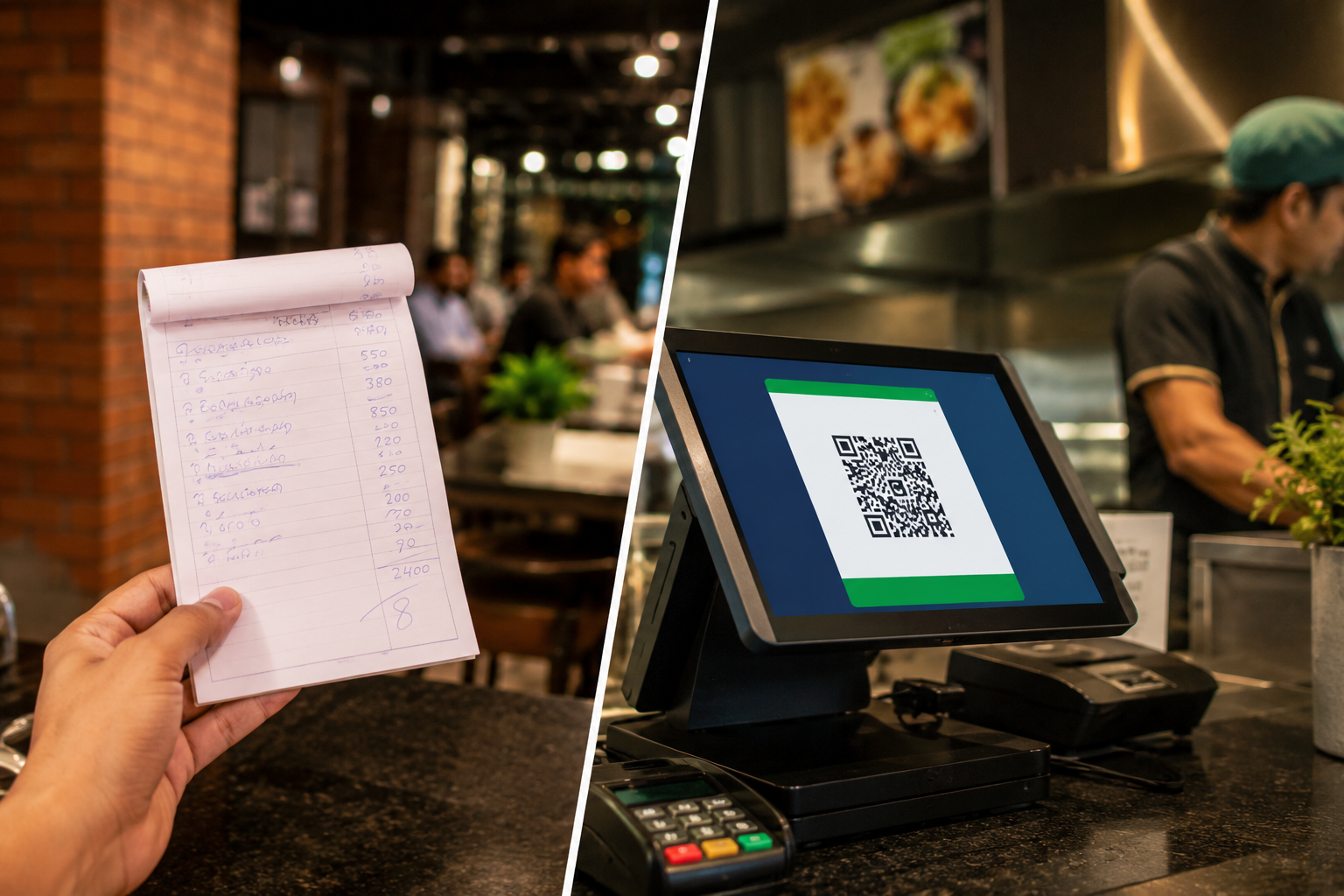
Many small retailers start with Excel or manual methods.
Clothing Inventory Management Excel
Spreadsheets are commonly used because they are free and easy to set up. However, they come with major limitations:
- No real-time updates
- High risk of human error
- No integration with sales
- Difficult to manage multiple stores
Clothing Inventory Software Free Tools
Free tools may offer basic tracking, but they lack:
- Advanced reporting
- POS integration
- Multi-store inventory syncing
- Automation features
Why Automated Systems Win
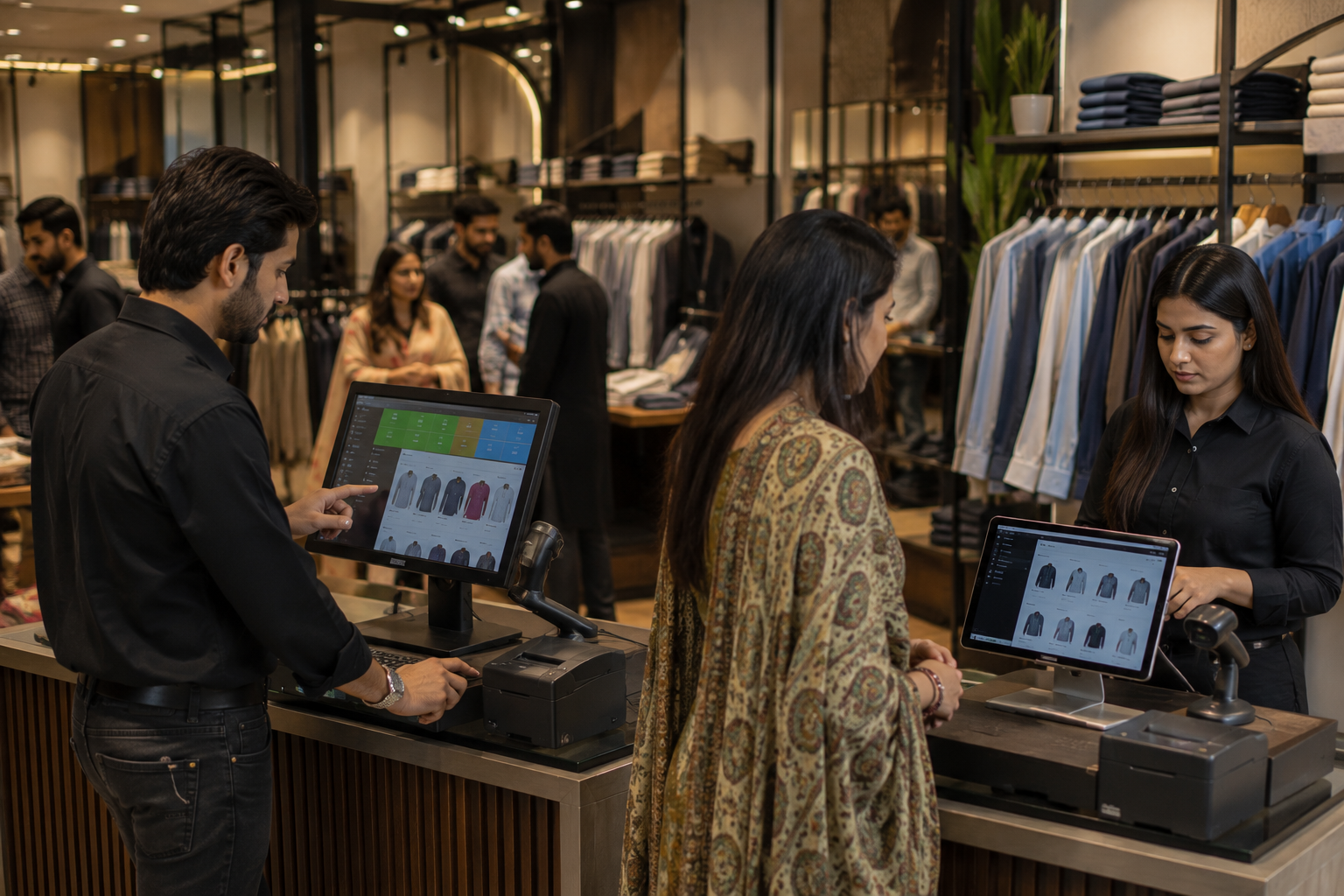
A proper clothing store inventory software provides:
- Real-time inventory tracking
- POS inventory integration
- Automated stock updates after every sale
- Centralized inventory management across branches
This is where solutions like Oscar POS become valuable for growing retailers.
How Modern Clothing Stores Track Inventory Efficiently
Successful retailers follow a structured system powered by technology.
1. Real-Time Inventory Tracking
Every sale updates inventory instantly. This prevents overselling and stock mismatches.
2. Barcode-Based Inventory System
Using barcodes speeds up:
- Stock receiving
- Sales processing
- Inventory audits
3. Centralized Inventory Management
For multi-store businesses, inventory is synced across all branches, ensuring accurate stock visibility.
4. Inventory and Sales Integration
A POS with inventory management connects sales data directly with stock levels. This helps retailers:
- Track inventory turnover
- Identify fast-moving products
- Reduce slow-moving inventory
5. Automated Stock Replenishment
Smart systems analyze sales trends and suggest restocking before items run out.
Managing Seasonal Stock in Fashion Retail
Clothing inventory is highly seasonal. Trends change fast, and unsold stock quickly becomes outdated.
Challenges in Seasonal Inventory
- Overstocking seasonal items
- Poor demand forecasting
- Heavy discounting to clear stock
Best Practices for Seasonal Inventory Planning
- Use historical sales data for forecasting
- Monitor fast-moving and slow-moving items
- Plan inventory purchases based on trends
- Avoid overbuying
A fashion retail inventory management system helps retailers make data-driven decisions instead of relying on guesswork.
Warehouse and Backend Inventory Management
Inventory doesn’t just sit in stores. Backend operations are equally important.
Garment Warehouse Management
Efficient warehouse management ensures:
- Accurate stock receiving
- Proper storage of inventory
- Easy tracking of stock movement
Stock Transfer Between Stores
Retailers with multiple outlets need smooth inventory transfer systems to:
- Move stock based on demand
- Balance inventory across locations
Purchase and Supplier Management
Managing suppliers and purchase orders ensures timely stock replenishment and avoids delays.
Reducing Losses and Improving Profitability
Inventory directly impacts profit margins.
How Poor Inventory Management Affects Profit
- Unsold stock increases holding costs
- Stockouts lead to lost sales
- Shrinkage reduces actual revenue
Strategies to Optimize Inventory
- Track inventory accuracy regularly
- Identify dead stock early
- Improve stock forecasting
- Use real-time reporting
Clothing inventory management software helps retailers reduce waste and maximize profitability.
How Oscar POS Solves Clothing Inventory Challenges
Modern retail requires more than just tracking stock. It needs a system that connects inventory, sales, and operations seamlessly.
Oscar POS is built to handle real-world retail challenges, especially for clothing stores.
With Oscar, retailers can:
- Manage size-wise and variant inventory effortlessly
- Track stock in real time across stores
- Integrate sales and inventory in one system
- Generate detailed inventory and sales reports
- Automate stock updates and reduce manual errors
Instead of juggling spreadsheets or disconnected tools, retailers get a centralized clothing store management system designed for efficiency and growth.
Why Retailers Are Moving Toward Smart Inventory Systems
The shift is clear. Automated, cloud-based inventory management systems are replacing manual methods.
Retailers want:
- Better visibility into stock
- Faster operations
- Reduced losses
- Improved customer experience
A modern inventory management for a retail clothing store is no longer optional. It is a competitive advantage.
Final Thoughts
Clothing inventory management is not just about tracking stock. It is about understanding what sells, what doesn’t, and how to optimize every product on the shelf.
Retailers who invest in the right systems gain:
- Better control over inventory
- Higher sales through improved availability
- Lower losses and wastage
Those who rely on outdated methods continue to face stock issues, missed sales, and shrinking margins.
For retailers looking to simplify operations and scale efficiently, trying a smart solution can make all the difference.
Oscar POS offers a practical way to manage clothing inventory, track sizes and variants, and connect sales with stock in real time.
Exploring a live demo can help retailers see exactly how it fits into their workflow before making a decision.
FAQs
1. What is clothing inventory management?
Clothing inventory management refers to the process of tracking, organizing, and managing apparel stock, including sizes, colors, and variants, to ensure accurate availability and efficient operations.
2. What is the best clothing inventory management software?
The best clothing inventory management software is one that offers real time tracking, variant management, POS integration, and reporting features to support retail operations.
3. Can I manage clothing inventory using Excel?
Yes, clothing inventory management Excel sheets can be used for basic tracking, but they lack automation, real-time updates, and scalability for growing businesses.
4. What is a size matrix in apparel inventory?
A size matrix allows retailers to manage multiple sizes and variants of a product in a structured format, making it easier to track stock accurately.
5. How do clothing stores track inventory?
Modern clothing stores use inventory management software integrated with POS systems to track stock in real time, manage variants, and generate reports.
6. What is the difference between apparel inventory management and general inventory?
Apparel inventory management involves handling multiple variants like size and color, making it more complex than general inventory tracking.
7. Is there free clothing inventory software available?There are free tools available, but they usually lack advanced features like automation, reporting, and multi-store support.
There are free tools available, but they usually lack advanced features like automation, reporting, and multi-store support.
8. How can inventory management improve retail profits?
Effective inventory management reduces stockouts, minimizes overstocking, improves forecasting, and ensures better product availability, leading to higher sales and profits.
9. What features should a clothing store's inventory system have?
It should include real-time tracking, variant management, POS integration, reporting, barcode support, and multi-store inventory management.
10. Why is inventory management important for boutiques?
Boutique inventory management ensures accurate tracking of unique and limited stock, helping maintain availability and improve customer satisfaction.