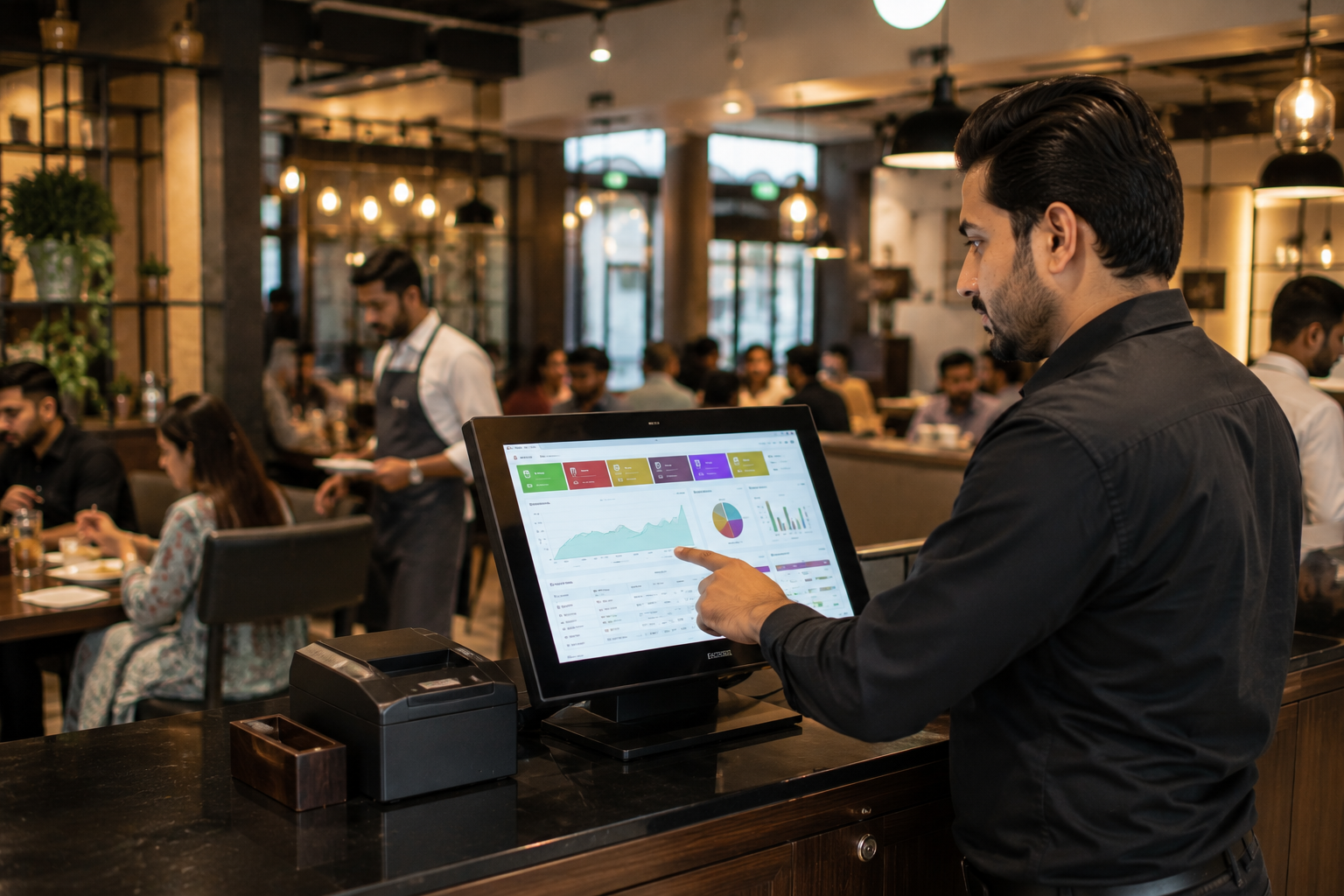
PRA Bans Handwritten Receipts in Punjab: What Restaurants, Hotels & Marriage Halls Need to Do Now
August 13, 2026
.Blog
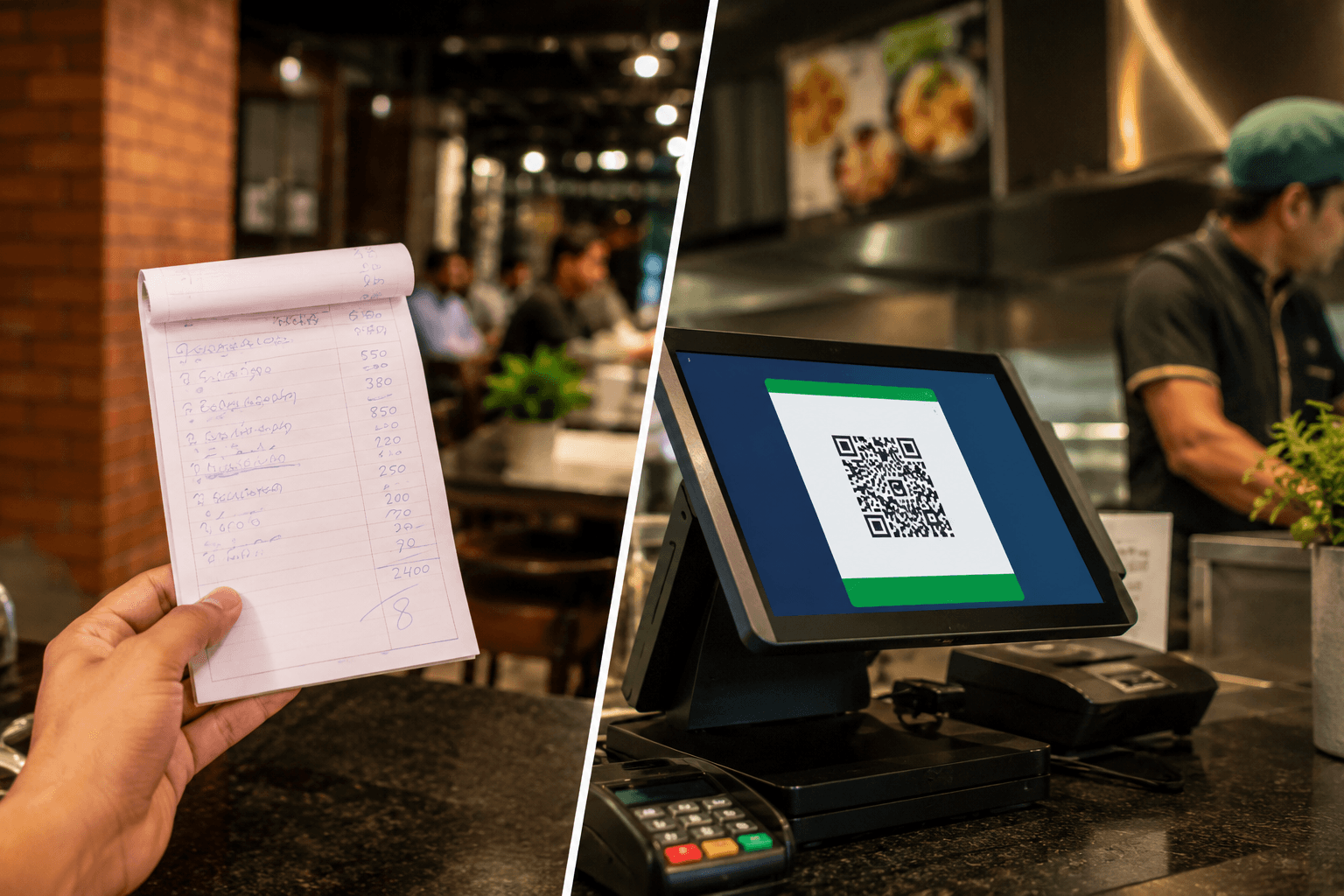
The Punjab Revenue Authority (PRA) has taken another major step toward digitizing Pakistan's tax ecosystem by banning handwritten receipts for restaurants, hotels, coffee shops, and marriage halls across Punjab.
Under the new directives, businesses covered by the regulation must issue customer receipts through the Electronic Invoice Monitoring System (EIMS) instead of handwritten bills or informal receipts. Businesses that fail to comply could face fines ranging from Rs. 400,000 to Rs. 1 million, while repeat violations may result in temporary sealing of the business.
If you own or manage a restaurant, hotel, café or event venue in Punjab, here's everything you need to know about the new rules and how digital payment solutions can help your business stay compliant.
Why Has PRA Banned Handwritten Receipts?
For years, handwritten receipts have made it difficult for tax authorities to verify sales transactions accurately. Manual billing also increases the risk of:
- Under-reporting sales
- Tax evasion
- Invoice manipulation
- Missing transaction records
- Poor financial reconciliation
By requiring businesses to issue digital receipts through EIMS, PRA aims to:
- Increase transparency
- Improve tax compliance
- Digitize transaction records
- Reduce fraudulent billing
- Build greater trust between businesses, customers and regulators.
Which Businesses Are Affected?
The current PRA notification applies to businesses including:
- Restaurants
- Hotels
- Coffee shops
- Marriage halls
Businesses operating in these categories across Punjab are now required to generate receipts electronically through the prescribed invoicing system.
What Is the Electronic Invoice Monitoring System (EIMS)?
The Electronic Invoice Monitoring System (EIMS) is PRA's digital invoicing platform that records taxable transactions electronically.
Instead of issuing handwritten bills, businesses must generate invoices digitally to ensure transactions are properly documented and monitored.
Official receipts must include:
- Business name
- Business address
- Receipt number
- PRA QR Code
Handwritten bills, kitchen order slips, and unpaid bills can no longer be used as official customer receipts.
What Are the Penalties for Non-Compliance?
Businesses that ignore the new invoicing requirements face significant consequences.
According to PRA notifications:
- Fine: Rs. 400,000 to Rs. 1,000,000
- Repeat violations: Business premises may be sealed for up to one month
- Additional action: Legal action may be taken for tampering with sales records, obstructing officials or failing to provide required documents.
Why Digital Receipts Are Good for Businesses
Although the transition may require operational changes, moving away from handwritten receipts offers several long-term benefits.
1. Better Financial Records
Digital invoices create an organized transaction history that's easier to track, reconcile and audit.
2. Faster Operations
Electronic receipts reduce manual work and help staff process customer transactions more efficiently.
3. Improved Customer Experience
Customers receive professional, verifiable receipts that inspire greater confidence in your business.
4. Easier Tax Compliance
Digital records simplify reporting and help reduce compliance risks.
5. Reduced Human Error
Automated invoicing minimizes mistakes commonly associated with handwritten billing.
Digital Payments and Digital Receipts Go Hand in Hand
As Pakistan's digital economy continues to grow, businesses are increasingly adopting:
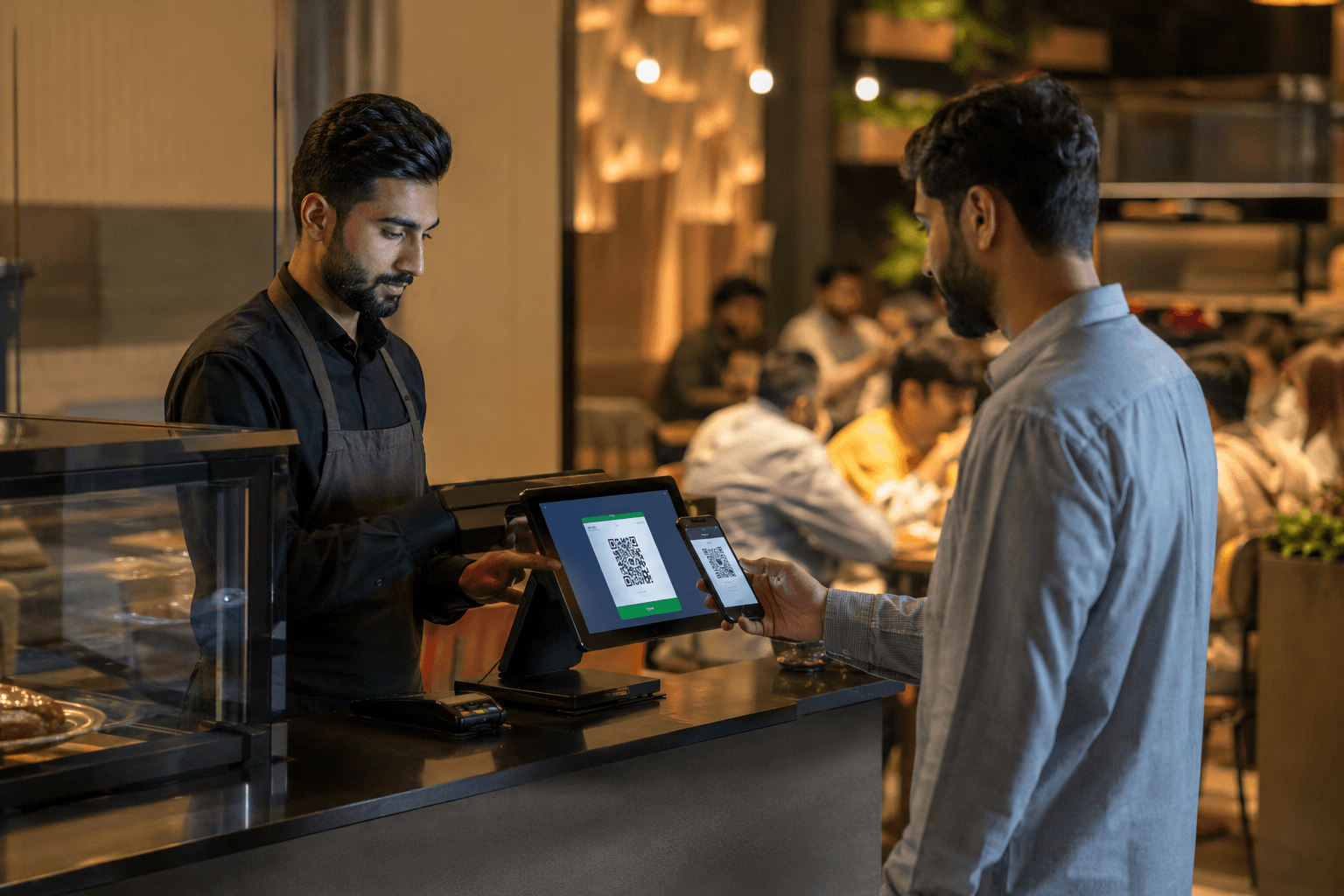
- QR code payments
- Card payments
- Online payment collection
- Digital payment gateways
- Automated transaction reporting
Combining digital payments with electronic invoicing creates a more efficient payment experience while improving recordkeeping and reconciliation.
How Oscar.pk Supports Digital Business Payments
Businesses today need more than just payment acceptance. They need payment solutions that simplify operations.
Oscar.pk helps businesses streamline digital collections through secure online payment solutions that support modern payment experiences for customers.
By adopting digital payment workflows alongside electronic invoicing requirements, businesses can:
- Collect payments online
- Reduce manual payment handling
- Improve payment tracking
- Simplify reconciliation
- Support a more digital-first customer experience
As regulatory requirements continue to evolve, businesses that embrace digital operations today will be better positioned for tomorrow. Get in touch with Oscar’s team today to get your business regulated and avoid penalties.
What Businesses Should Do Next
If your business falls under the PRA notification, now is the time to review your billing and payment processes.
Consider the following checklist:
- Stop issuing handwritten customer receipts.
- Ensure your invoicing process complies with PRA requirements.
- Verify that official receipts contain all mandatory information.
- Train staff on updated billing procedures.
- Review your payment systems and adopt digital payment solutions where appropriate.
- Maintain accurate digital transaction records.
Early compliance can help businesses avoid penalties while improving operational efficiency.
Final Thoughts
The PRA's decision to ban handwritten receipts marks another important milestone in Punjab's journey toward a more transparent and digitally documented economy.
While the new requirements introduce stricter compliance obligations for restaurants, hotels, coffee shops and marriage halls, they also encourage businesses to modernize their billing and payment processes.
Organizations that embrace digital invoicing and digital payments today won't just stay compliant; they'll also benefit from greater efficiency, improved customer trust and stronger financial visibility as Pakistan's digital economy continues to evolve.
Frequently Asked Questions
1. Why did PRA ban handwritten receipts?
The Punjab Revenue Authority introduced the measure to improve tax transparency, reduce tax evasion and ensure businesses maintain accurate digital sales records.
2. Which businesses must stop issuing handwritten receipts?
The current notification applies to restaurants, hotels, coffee shops and marriage halls operating in Punjab.
3. What happens if a business continues issuing handwritten receipts?
Businesses may face fines ranging from Rs. 400,000 to Rs. 1 million, while repeat violations could lead to temporary sealing of the premises.
4. What information must appear on official receipts?
Receipts must include the business name, address, receipt number and the PRA QR code.
5. How can Oscar.pk help businesses?
Oscar.pk enables businesses to modernize payment collection through secure digital payment solutions that support faster transactions, better payment tracking and streamlined financial operations.