The Best POS Features Every Pakistani Restaurant Needs in 2026
June 18, 2026
.Blog
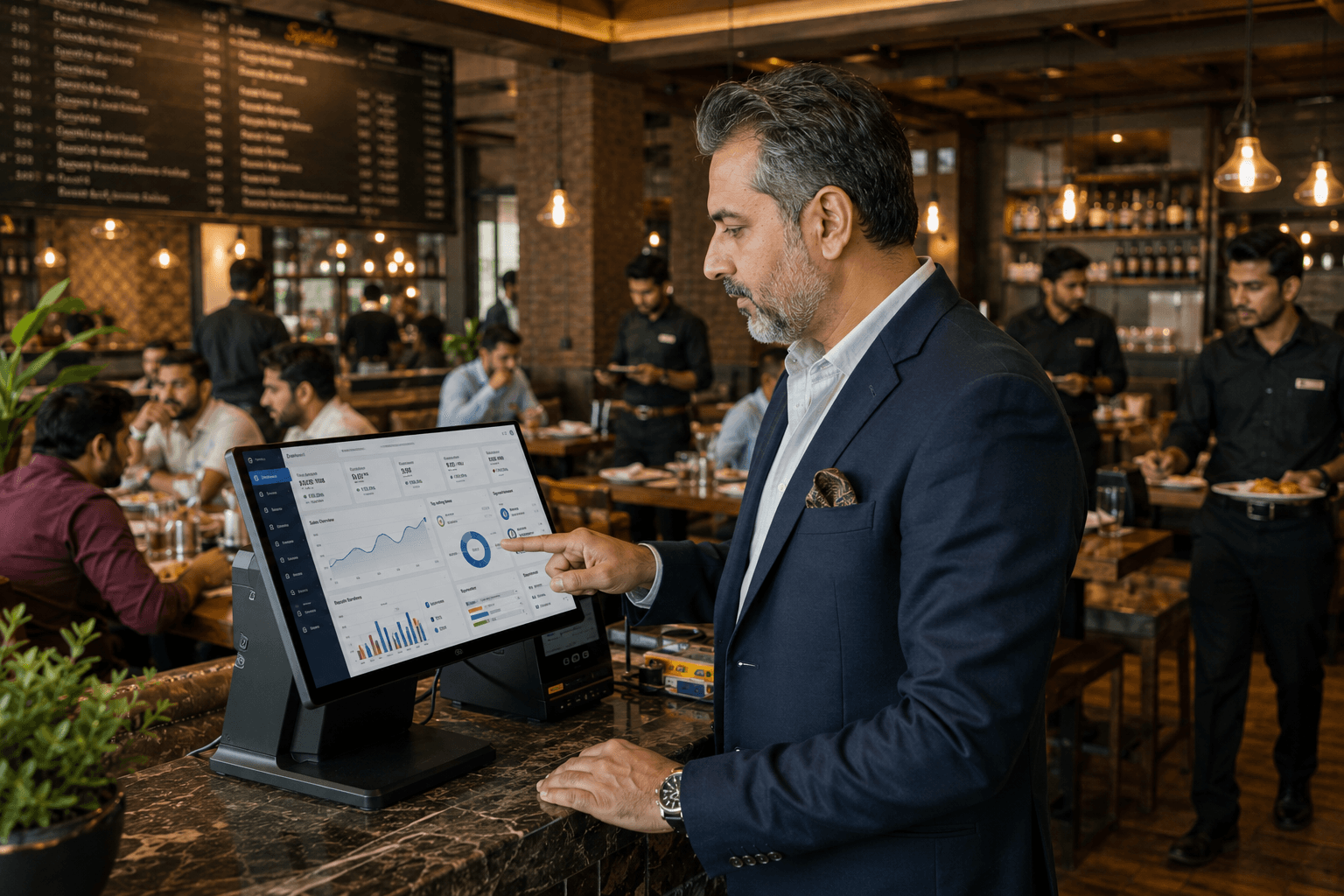
Running a restaurant in Pakistan has become more challenging than ever. Rising food costs, increasing customer expectations, delivery orders, staffing issues, and the need for faster service are pushing restaurant owners to find smarter ways to manage operations.
This is where modern restaurant POS systems play a crucial role.
A restaurant point-of-sale system is no longer just a billing tool. Today's restaurant POS software helps manage orders, inventory, kitchen operations, staff performance, customer loyalty, and business reporting from a single platform.
However, not all restaurant POS systems offer the same capabilities. Choosing the right solution can significantly improve efficiency, reduce costs, and create a better dining experience for customers.
This guide explores the most important POS features every Pakistani restaurant should look for in 2026.
Why Choosing the Right Restaurant POS System Matters
Many restaurants start with basic billing software and quickly realize its limitations. While simple billing systems can process transactions, they often fail to provide the operational visibility needed to run a profitable restaurant.
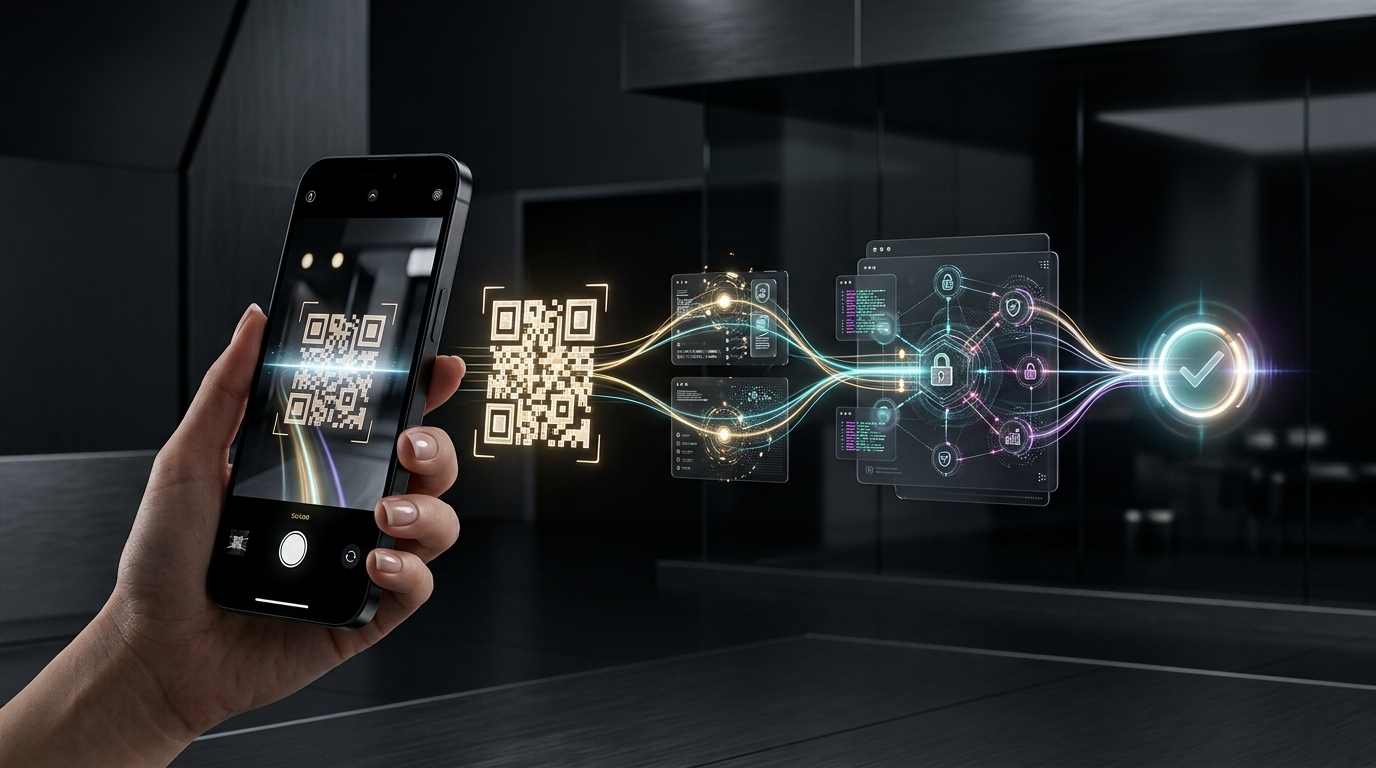
A modern restaurant management software solution connects every aspect of restaurant operations, helping owners make informed decisions while reducing manual work.
The right POS system for restaurants can help:
- Speed up service
- Reduce order errors
- Control food costs
- Improve inventory management
- Increase staff productivity
- Enhance customer satisfaction
- Support business growth
For restaurants aiming to stay competitive in 2026, investing in the right technology is no longer optional.
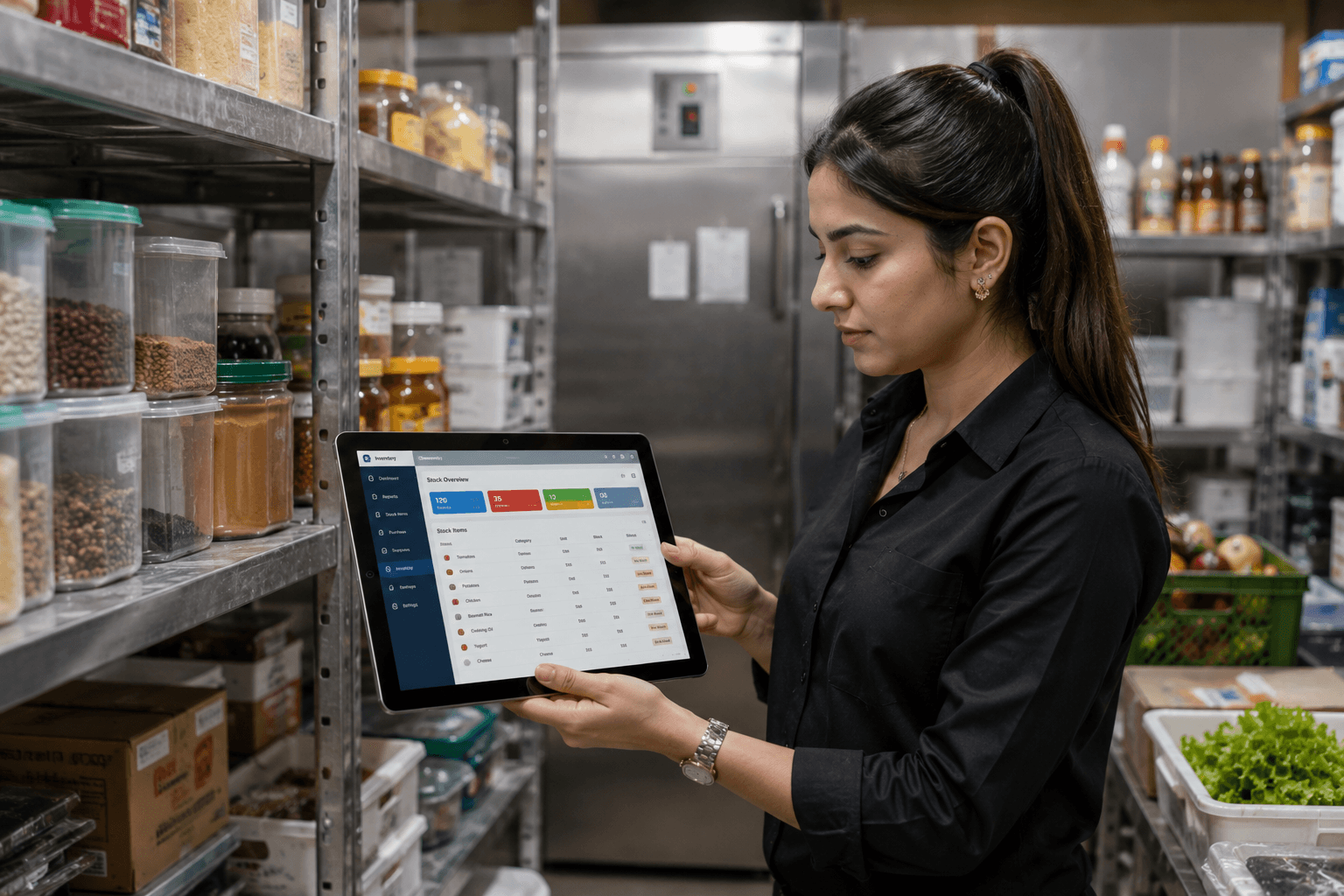
1. Inventory Management That Protects Profit Margins
Food wastage and inventory losses remain some of the biggest challenges for restaurant owners.
Without proper restaurant inventory management, ingredients may run out unexpectedly, stock levels become difficult to track, and food costs can quickly spiral out of control.
A quality restaurant POS software should include:
Real-Time Inventory Tracking
Every sale should automatically deduct ingredients from inventory. This allows managers to monitor stock levels without relying on manual updates.
Low Stock Alerts
Automated notifications help staff reorder ingredients before shortages affect service.
Recipe-Based Inventory Management
Advanced restaurant POS systems track ingredient consumption based on menu item sales, providing better visibility into actual food usage.
Food Cost Monitoring
Restaurant owners can identify expensive items, monitor profitability, and adjust pricing when needed.
For restaurants focused on controlling costs, inventory management is one of the most valuable features available.
2. Kitchen Display System Integration for Faster Service
Communication between servers and kitchen staff can significantly impact customer satisfaction.
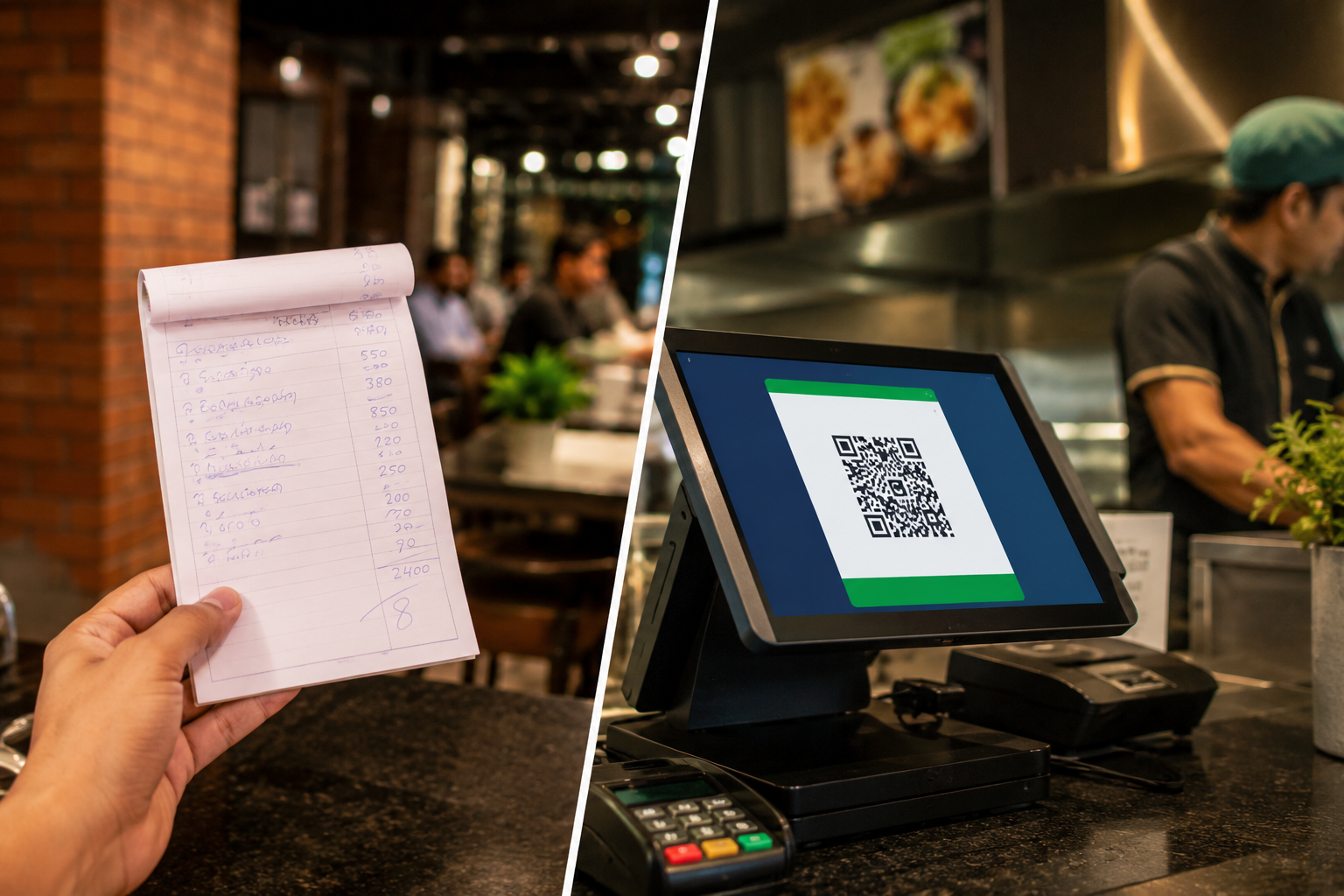
Traditional paper tickets often lead to delays, confusion, and mistakes.
Modern restaurant POS systems should support a Kitchen Display System (KDS) that digitally sends orders directly to the kitchen.
Benefits of a Kitchen Display System
- Faster order processing
- Reduced order mistakes
- Improved kitchen efficiency
- Better coordination between staff
- Reduced paper waste
Restaurants that experience high order volumes can dramatically improve service speed through kitchen automation.
3. Table Management for Better Customer Flow
Busy restaurants often struggle with seating management during peak hours.
An effective restaurant management software should include table management tools that help staff monitor dining areas in real time.
Key features include:
- Live table status tracking
- Floor plan management
- Reservation management
- Waitlist handling
- Table transfer functionality
These features help maximize seating capacity while reducing customer wait times.
4. Smart Billing and Payment Processing
Billing is one of the most visible parts of the customer experience.
Slow checkout processes can leave customers with a negative final impression.
Restaurant billing software should support:
Multiple Payment Methods
Customers increasingly expect flexible payment options, including:
- Cash
- Debit cards
- Credit cards
- Mobile wallets
- QR code payments
Split Billing
Groups often prefer separate bills, making split payment functionality essential.
Fast Checkout
Quick invoice generation improves customer satisfaction while helping restaurants serve more guests during busy periods.
For restaurants seeking reliable billing and operational control, solutions like Oscar POS combine billing, inventory, reporting, and restaurant management tools within a single platform.
5. Reporting and Analytics That Support Better Decisions
Successful restaurants rely on data rather than assumptions.
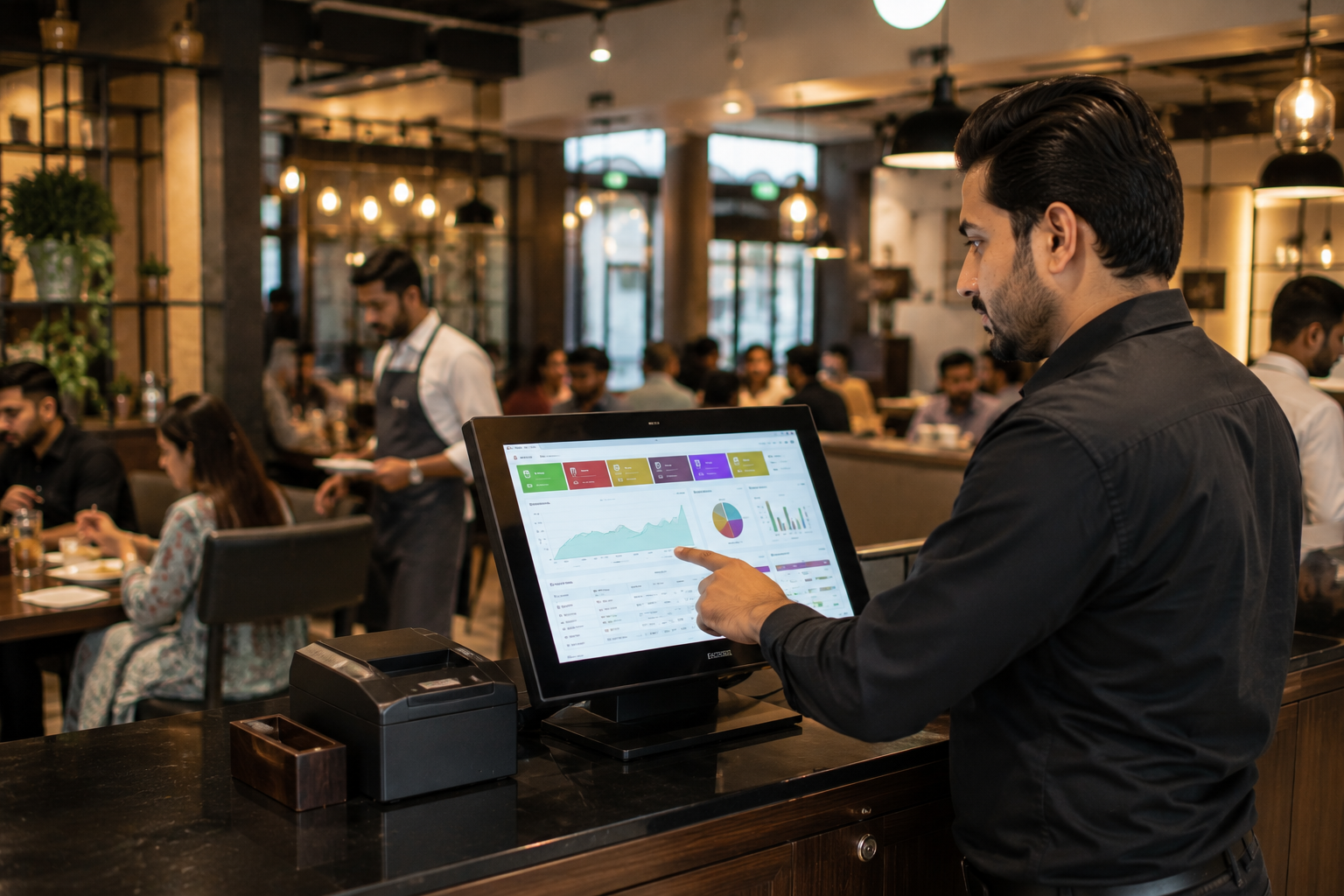
Restaurant reporting software should provide clear insights into daily operations and financial performance.
Important reports include:
Sales Reports
Track daily, weekly, and monthly revenue.
Best-Selling Items
Identify popular menu items and top-performing categories.
Profitability Analysis
Understand which products generate the highest margins.
Peak Business Hours
Schedule staff more effectively based on customer demand.
Branch Performance Reports
Compare results across multiple locations.
Access to real-time analytics enables restaurant owners to make informed decisions that improve profitability.
6. Staff Management and Accountability
Managing restaurant employees can be challenging, particularly in larger operations.
Modern restaurant POS systems should include employee management features that improve accountability and productivity.
Useful capabilities include:
- Role-based access control
- Cashier tracking
- Shift management
- Performance monitoring
- Attendance tracking
By assigning permissions based on employee roles, restaurants can reduce errors and minimize unauthorized activities.
7. Online Ordering and Delivery Management
The growth of food delivery services has changed how restaurants operate.
Many businesses now receive orders from dine-in customers, takeaway customers, websites, mobile apps, and delivery platforms simultaneously.
Restaurant POS software should centralize all order channels into one system.
Benefits of Integrated Online Ordering
- Reduced order confusion
- Faster processing
- Improved customer experience
- Better order accuracy
- Simplified operations
Restaurants that manage online and offline orders from a single dashboard often achieve greater efficiency and consistency.
8. Multi-Branch Management for Growing Restaurant Chains
As restaurants expand, managing multiple locations becomes increasingly complex.
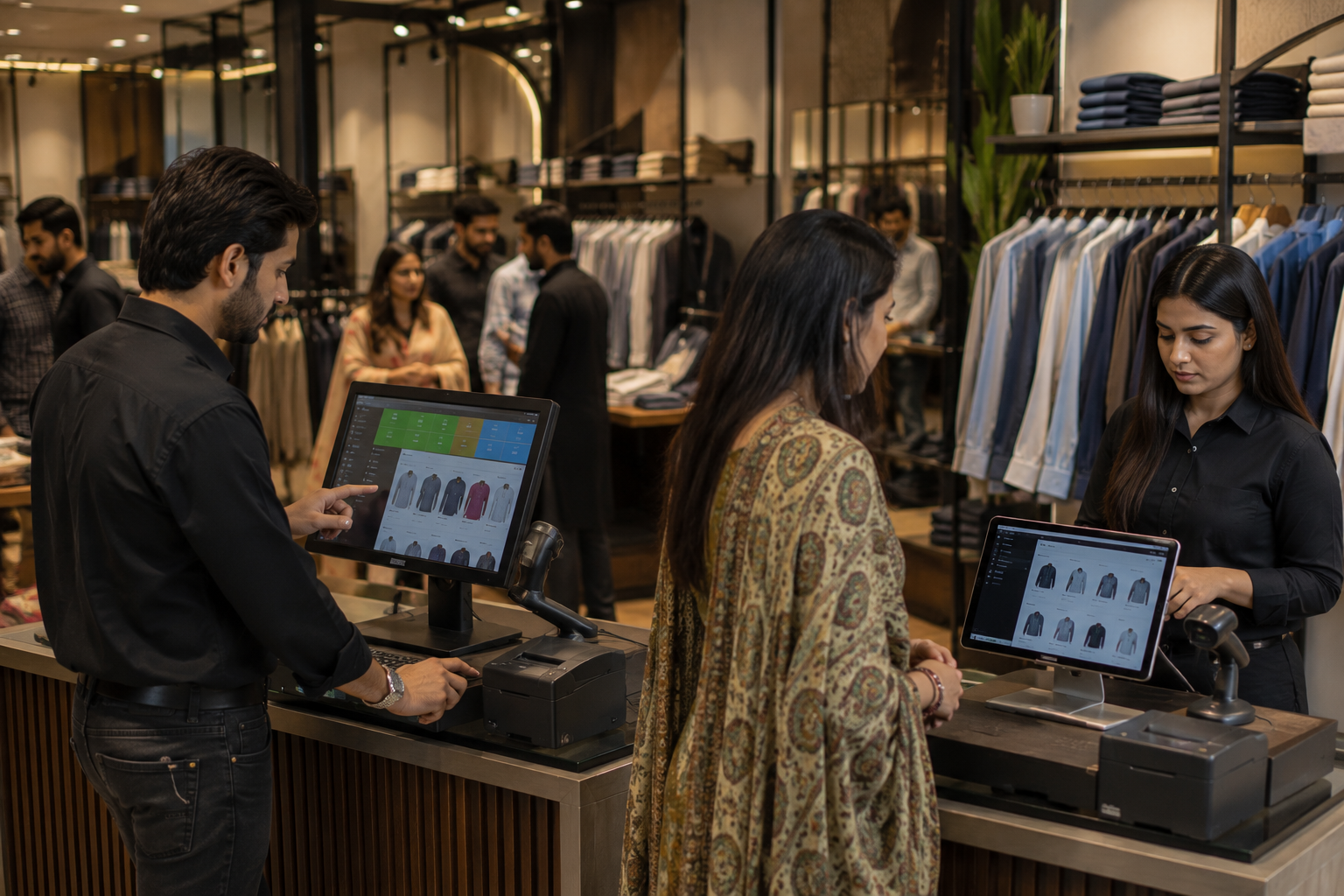
A restaurant POS system should offer centralized control over all branches.
Features to look for include:
- Consolidated reporting
- Centralized menu management
- Inventory visibility across locations
- Standardized pricing
- Branch performance comparisons
These tools help restaurant owners maintain consistency while supporting growth.
9. Customer Loyalty and Retention Features
Acquiring new customers is important, but retaining existing customers is often more profitable.
Restaurant POS systems that include customer relationship management features can help build long-term loyalty.
Useful features include:
Customer Profiles
Store customer information and order history.
Loyalty Programs
Reward repeat customers with points, discounts, or exclusive offers.
Targeted Promotions
Create personalized campaigns based on customer preferences and purchasing behavior.
Building stronger customer relationships can lead to increased repeat business and higher lifetime value.
10. Cloud-Based Access and Data Security
Cloud-based restaurant POS systems provide flexibility and security that traditional systems often lack.
Benefits include:
- Remote access to business data
- Automatic backups
- Real-time synchronization
- Improved system reliability
- Secure data storage
Restaurant owners can monitor operations from anywhere while ensuring business information remains protected.
Must-Have vs Nice-to-Have POS Features
When evaluating restaurant POS systems, it helps to separate essential features from advanced capabilities.
Must-Have Features
- Billing and payment processing
- Inventory management
- Sales reporting
- Kitchen display integration
- Table management
- Employee management
- Online ordering support
Nice-to-Have Features
- Customer-facing displays
- AI-driven analytics
- Self-order kiosks
- Advanced marketing automation
- Digital menu boards
Restaurants should prioritize operational essentials before investing in advanced features.
Restaurant POS Buying Checklist for 2026
Before selecting a restaurant POS software solution, restaurant owners should ask:
- Does it support inventory management?
- Can it track food costs automatically?
- Does it work with online ordering and delivery?
- Can it manage multiple payment methods?
- Does it offer real-time reporting?
- Is it suitable for multi-branch operations?
- Does it include employee management tools?
- Is customer support available locally?
- Can it operate during internet disruptions?
- Does it scale as the restaurant grows?
Choosing a system that meets both current and future requirements can save significant time and money.
Why More Pakistani Restaurants Are Choosing Oscar POS
Restaurant owners need more than a billing solution. They need a complete restaurant management software platform that helps simplify daily operations and improve profitability.
Oscar POS combines essential restaurant management features, including billing, inventory management, kitchen operations, reporting, staff management, online ordering support, and multi-branch visibility within one unified system.
Whether managing a small café, a fast food outlet, or a growing restaurant chain, Oscar helps businesses gain greater control over operations while delivering a better customer experience.
Final Thoughts
The restaurant industry continues to evolve rapidly, and technology is becoming a key driver of operational success.
The best restaurant POS systems in 2026 will do far more than process transactions. They will help restaurants reduce costs, improve efficiency, manage inventory, optimize staff performance, and create exceptional customer experiences.
For restaurant owners looking to modernize operations, choosing the right POS system for restaurants can be one of the most valuable business decisions they make.
Rather than committing immediately, restaurant owners can start by exploring how a modern platform works in real-world restaurant environments. A live Oscar POS demo provides an opportunity to see inventory management, billing, reporting, kitchen operations, and restaurant workflows in action before making a decision.
FAQs
1. What is a restaurant POS system?
A restaurant POS system is software that helps restaurants manage billing, orders, inventory, payments, reporting, staff operations, and customer data from a centralized platform.
2. Which features are most important in restaurant POS software?
The most important features include inventory management, billing, reporting, table management, kitchen display integration, employee management, and online ordering support.
3. How does inventory management help restaurants?
Inventory management automatically tracks ingredient usage, reduces food wastage, prevents stock shortages, and provides better control over food costs.
4. Can restaurant POS systems support online ordering?
Yes. Modern restaurant POS systems can integrate online ordering channels and delivery platforms, helping restaurants manage all orders from a single dashboard.
5. What is a Kitchen Display System?
A Kitchen Display System is a digital screen that receives orders directly from the POS system, helping kitchen staff process orders faster and more accurately.
6. Why is reporting important in restaurant management software?
Reporting helps restaurant owners analyze sales, monitor profitability, identify popular menu items, and make data-driven business decisions.
7. Can a restaurant POS system manage multiple branches?
Yes. Advanced restaurant POS systems provide centralized reporting, inventory visibility, menu management, and operational oversight across multiple locations.
8. Is cloud-based restaurant POS software better?
Cloud-based systems offer real-time access, automatic backups, remote monitoring, and improved scalability, making them a preferred choice for many restaurants.
9. How can Oscar POS help Pakistani restaurants?
Oscar POS helps restaurants manage billing, inventory, kitchen operations, reporting, employee management, customer relationships, and multi-branch operations through a single platform designed for modern restaurant businesses.
10. How can restaurant owners evaluate a POS system before buying?
The best approach is to request a live demo. This allows restaurant owners to explore features, understand workflows, and determine whether the software meets their operational requirements before subscribing.