Why Businesses Run Out of Stock Unexpectedly
June 5, 2026
.Blog

Running out of stock is one of the most frustrating challenges a business can face. A customer is ready to buy, the demand is there, and the product should be available. Yet somehow, the shelves are empty.
For many businesses, stockouts seem to happen without warning. In reality, they often result from small inventory management issues that accumulate over time. Inaccurate stock records, poor demand forecasting, delayed purchasing decisions, and limited inventory visibility can all contribute to unexpected shortages.
The good news is that most stockouts are preventable. With the right processes and tools in place, businesses can maintain better inventory accuracy, improve stock level monitoring, and make smarter purchasing decisions before shortages occur.
What Are Stockouts?
A stockout occurs when a business does not have enough inventory available to meet customer demand. This can happen in retail stores, restaurants, warehouses, ecommerce businesses, and multi-location operations.
While a single stockout may seem like a minor issue, repeated shortages can lead to lost sales, unhappy customers, reduced customer loyalty, and unnecessary operational costs.
Businesses often focus on increasing sales, but maintaining product availability is equally important. If customers cannot find the products they need, they may simply buy from a competitor.
Why Businesses Run Out of Stock Unexpectedly
Many business owners assume stockouts happen because demand suddenly increases. While unexpected demand spikes can be a factor, the real causes are often deeper and more predictable.
1. Inventory Records Are Not Accurate
One of the most common reasons businesses experience stockouts is inaccurate inventory data.
A stock management system is only as reliable as the information inside it. If inventory records do not match actual stock levels, businesses may believe they have enough inventory when they do not.
Inventory discrepancies can occur due to:
- Manual data entry errors
- Theft or shrinkage
- Damaged products
- Incorrect stock counting
- Unrecorded sales or returns
For example, a system may show 100 units available while only 40 units are physically in stock. Purchasing decisions are delayed because the business assumes inventory levels are healthy.
Over time, these inventory errors create serious stock management problems.
2. Lack of Real-Time Inventory Visibility
Many businesses struggle because they cannot see what is happening across all inventory locations.
A retailer may have stock available in one branch but be completely out of stock in another. Without inventory visibility software, identifying these issues becomes difficult.
Poor inventory visibility often results in:
- Overstocking in some locations
- Stock shortages in others
- Delayed replenishment decisions
- Inefficient stock transfers
Businesses that have access to real-time inventory tracking can respond much faster and maintain better inventory control.
3. Reordering Happens Too Late
Some businesses rely on visual checks or intuition when deciding when to reorder products.
While this approach may work temporarily, it becomes risky as operations grow.
Without proper reorder points and inventory planning, products are often reordered only after stock levels become critically low.
This creates a dangerous gap between placing an order and receiving new inventory.
Factors such as supplier lead times, shipping delays, and unexpected sales increases can quickly turn low stock levels into complete stockouts.
4. Demand Forecasting Is Missing
Demand forecasting plays a critical role in preventing stock shortages.
Businesses that do not analyze sales trends often struggle to predict future demand accurately.
Seasonal events, promotional campaigns, holidays, and changing customer preferences can all impact inventory requirements.
For example:
- Retail stores often experience demand spikes during Eid and festive seasons.
- Fashion businesses may see increased demand during wedding seasons.
- Restaurants may experience higher demand during weekends and holidays.
Without proper demand forecasting, businesses risk ordering too little inventory and running out of stock when demand increases.
5. Supplier Delays Disrupt Inventory Availability
Even businesses with good inventory planning can experience stockouts when suppliers fail to deliver on time.
Supplier-related challenges may include:
- Delayed shipments
- Production shortages
- Import restrictions
- Transportation disruptions
When businesses do not account for these risks, inventory replenishment becomes unpredictable.
Maintaining safety stock levels and planning for supplier lead times can help significantly reduce these risks.
6. Multiple Sales Channels Create Inventory Challenges
Modern businesses often sell through several channels simultaneously.
These may include:
- Physical stores
- Ecommerce websites
- WhatsApp orders
- Social commerce platforms
- Marketplaces
Without inventory synchronization, stock levels become difficult to manage.
A product sold online may not immediately update available inventory in a physical store, leading to overselling and stockouts.
Centralized inventory management helps ensure all sales channels reflect accurate stock information in real time.

Warning Signs a Business Is Headed Toward a Stockout
Stockouts rarely happen without warning.
Businesses should pay attention to these common signs:
- Frequent emergency purchases
- Inventory counts that do not match records
- Popular products repeatedly selling out
- Constant manual stock checks
- Delayed purchase orders
- Customer complaints about product availability
- Difficulty tracking stock across locations
Recognizing these signs early can help businesses take corrective action before shortages affect sales.
The Hidden Cost of Stockouts
Many businesses underestimate how expensive stockouts can be.
The impact goes far beyond a single missed sale.
1. Lost Revenue
Customers cannot purchase unavailable products. Every stockout represents potential revenue that may never be recovered.
2. Reduced Customer Loyalty
Customers expect product availability. Repeated stock shortages can encourage them to shop elsewhere.
3. Poor Customer Experience
A customer who repeatedly encounters unavailable products may lose confidence in the business.
4. Higher Operating Costs
Emergency purchasing often leads to:
- Higher supplier costs
- Expedited shipping fees
- Increased administrative work
5. Reduced Operational Efficiency
Staff spend valuable time investigating inventory issues, searching for products, and resolving customer complaints.
How Inventory Tracking Software Helps Prevent Stockouts
Businesses can dramatically reduce stockouts by improving inventory accuracy and visibility.
Modern inventory tracking software helps organizations maintain better control over inventory while making smarter purchasing decisions.
Key benefits include:
1. Real-Time Inventory Tracking
Businesses can monitor stock levels as sales occur, reducing the risk of inaccurate inventory records.
2. Improved Inventory Visibility
Teams gain access to centralized inventory data across warehouses, stores, and sales channels.
3. Automated Reorder Alerts
The system can notify managers when inventory reaches predefined reorder thresholds.
4. Better Demand Forecasting
Sales data and reporting tools help businesses identify trends and forecast future demand more accurately.
5. Inventory Synchronization
Stock updates are automatically reflected across multiple locations and sales channels.
6. Stronger Inventory Control
Businesses can reduce inventory discrepancies, improve stock accuracy, and maintain healthier inventory levels.
How Oscar Helps Businesses Stay Ahead of Stockouts
Preventing stockouts requires more than manual spreadsheets and periodic stock counts.
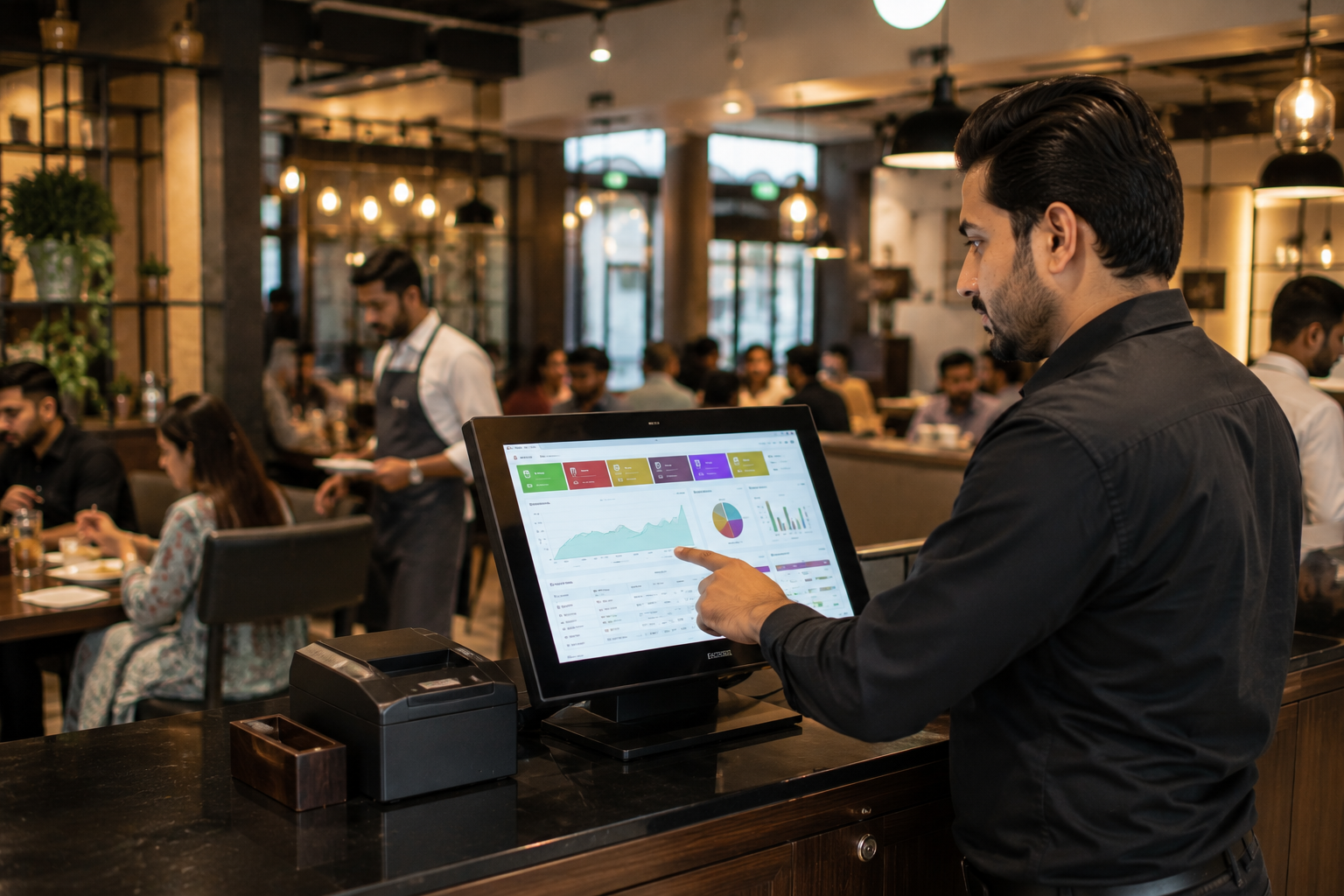
Oscar helps businesses maintain real-time inventory visibility, track stock movements accurately, and manage inventory across multiple locations from a centralized platform.
With features designed to support inventory tracking, stock level monitoring, sales reporting, and inventory control, businesses can make informed purchasing decisions before stock shortages occur.
Instead of reacting to stockouts after they happen, businesses can proactively manage inventory and maintain consistent product availability.
Whether operating a retail store, restaurant, warehouse, or ecommerce business, having accurate inventory data available at all times makes a significant difference.
Final Thoughts
Unexpected stockouts rarely occur because of a single issue. They are usually the result of inventory inaccuracies, poor demand forecasting, delayed replenishment decisions, limited inventory visibility, or disconnected sales channels.
Businesses that invest in better inventory management processes can reduce stock shortages, improve customer satisfaction, and protect revenue.
The key is having access to accurate, real-time inventory information that supports smarter decisions every day.
For businesses looking to gain greater control over inventory and reduce costly stockouts, exploring how Oscar works through a live demo can be an excellent first step before committing to a solution. Seeing real-time inventory tracking, centralized stock management, and inventory visibility in action can help determine whether it is the right fit for their operations.
FAQs
1. What causes stockouts in businesses?
Stockouts are commonly caused by inaccurate inventory records, poor demand forecasting, delayed reordering, supplier delays, and a lack of inventory visibility across locations and sales channels.
2. How can inventory tracking software reduce stockouts?
Inventory tracking software provides real-time inventory updates, improves inventory accuracy, automates reorder alerts, and helps businesses make informed purchasing decisions before inventory levels become critical.
3. What is inventory visibility?
Inventory visibility refers to the ability to view accurate stock levels across all locations, warehouses, and sales channels in real time. Better visibility helps businesses prevent inventory shortages and improve stock management.
4. Why is demand forecasting important for inventory management?
Demand forecasting helps businesses predict future customer demand based on historical sales trends and seasonal patterns. Accurate forecasting reduces the risk of both stockouts and overstocking.
5. What are inventory discrepancies?
Inventory discrepancies occur when recorded inventory levels do not match actual physical stock. These discrepancies can result from human errors, theft, damage, or inaccurate stock counting.
6. How do multi-location businesses prevent stock shortages?
Multi-location businesses can prevent stock shortages by using inventory visibility software that provides centralized inventory management, real-time stock tracking, and inventory synchronization across all locations.
7. How does Oscar help businesses manage inventory?
Oscar helps businesses monitor inventory in real time, improve stock accuracy, track inventory across multiple locations, generate inventory reports, and make data-driven purchasing decisions that reduce the likelihood of stockouts.