How to Start a Clothing Brand in Pakistan: A Complete Step-by-Step Guide
June 2, 2026
.Blog
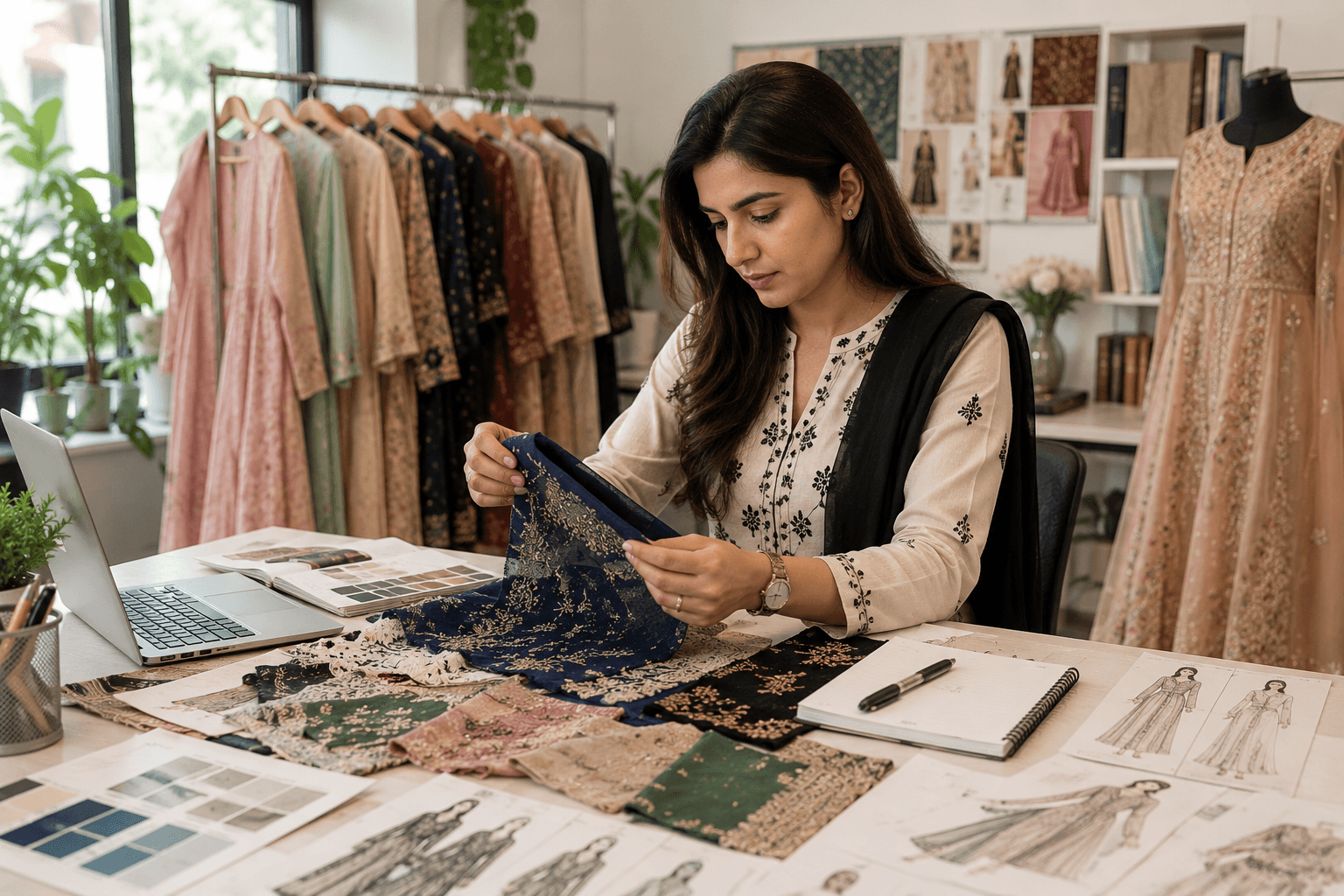
Pakistan's fashion and apparel industry continues to grow rapidly, creating exciting opportunities for entrepreneurs who want to build their own clothing brand. From casual wear and streetwear to luxury fashion and modest clothing, consumers today are constantly looking for unique brands that match their style and preferences.
However, knowing how to start a clothing brand successfully requires more than designing attractive products. It involves market research, sourcing, branding, inventory management, marketing, and efficient business operations.
This guide explains how to start a clothing business in Pakistan, the costs involved, common mistakes to avoid, and the systems needed to build a profitable and scalable clothing brand.
Why Starting a Clothing Brand in Pakistan Is a Good Business Opportunity
Pakistan is one of the world's largest textile-producing countries. The availability of local fabrics, garment manufacturers, skilled labor, and a growing online shopping market makes it easier than ever to launch an apparel startup.
Several factors contribute to the industry's growth:
- Strong local textile and garment manufacturing ecosystem
- Increasing demand for online shopping
- Growing influence of social media marketing
- Expanding middle-class consumer base
- Access to nationwide courier and logistics networks
For entrepreneurs looking to enter the fashion business, Pakistan offers significant advantages compared to many other markets.
How to Start a Clothing Brand in Pakistan
1. Choose a Profitable Niche
The first step is deciding what type of clothing brand to build.
Rather than trying to sell everything, successful clothing brands usually focus on a specific niche.
Popular clothing niches in Pakistan include:
- Men's casual wear
- Women's fashion
- Eastern wear
- Streetwear
- Activewear
- Kids' clothing
- Luxury apparel
- Modest fashion
- Plus-size clothing
- Corporate wear
A focused niche makes it easier to attract the right audience and differentiate from competitors.
2. Conduct Market Research
Before investing money in production, it is important to understand customer demand.
Research should include:
- Competitor analysis
- Pricing trends
- Consumer preferences
- Popular fashion categories
- Market gaps
- Customer pain points
Social media platforms, online marketplaces, and fashion communities can provide valuable insights into what customers are currently buying.
3. Create a Clothing Brand Business Plan
Every successful clothing business starts with a clear plan.
The business plan should define:
- Target audience
- Product categories
- Pricing strategy
- Manufacturing model
- Marketing strategy
- Sales channels
- Startup budget
- Revenue goals
A solid plan helps business owners avoid costly mistakes and make informed decisions as the brand grows.
4. Register the Business
Formal registration improves credibility and creates a strong foundation for long-term growth.
Depending on business goals, entrepreneurs may choose:
- Sole proprietorship
- Partnership
- Private limited company
Business registration, tax registration, and trademark protection can help protect the brand and simplify future expansion.
5. Build a Unique Brand Identity
A clothing brand is much more than the products it sells.
Strong branding includes:
- Brand name
- Logo
- Brand story
- Packaging design
- Product labels
- Brand voice
- Visual identity
Customers often connect emotionally with brands that communicate a clear message and consistent identity.
6. Source Fabrics and Manufacturers
One of the biggest advantages of starting a clothing brand in Pakistan is access to local textile and garment manufacturers.
Entrepreneurs can choose between:
- Private Label Manufacturing
Products are manufactured under the brand's own label.
This model allows greater control over branding and product quality.
- Custom Manufacturing
Products are designed and manufactured from scratch according to specific requirements.
This option provides maximum flexibility but generally requires higher investment.
- Wholesale Reselling
Business owners purchase ready-made clothing from wholesalers and sell under their own retail business.
This model usually requires lower startup costs.
7. Develop Product Samples
Before placing large production orders, product samples should be created and tested.
Samples help evaluate:
- Fabric quality
- Stitching quality
- Fit and sizing
- Durability
- Packaging
Testing products before launch reduces the risk of customer complaints and returns.
8. Set Competitive Pricing
Pricing can determine whether a clothing brand becomes profitable.
When calculating product pricing, consider:
- Manufacturing costs
- Fabric costs
- Packaging
- Shipping expenses
- Marketing costs
- Marketplace commissions
- Desired profit margins
Many successful clothing brands aim for healthy margins while remaining competitive within their market segment.
Choose the Right Sales Channels
A successful clothing business often uses multiple sales channels.
1. Sell Through Social Media
Instagram, Facebook, and TikTok have become powerful platforms for fashion brands.
Brands can:
- Showcase products
- Run advertisements
- Partner with influencers
- Build communities
- Generate direct sales
2. Launch an Ecommerce Website
An online store provides complete control over branding and customer experience.
Benefits include:
- Higher profit margins
- Better customer data
- Greater brand credibility
- Long-term scalability
3. Sell Through Online Marketplaces
Marketplaces can help new clothing brands reach customers quickly.
These platforms often provide immediate exposure to large audiences.
4. Open a Physical Store
As a clothing brand grows, physical retail locations can create additional sales opportunities and strengthen customer trust.
Marketing Strategies for Clothing Brands
Even the best products need visibility.
1. Invest in Content Marketing
Fashion brands can attract potential customers through:
- Product photography
- Styling guides
- Fashion tips
- Behind-the-scenes content
- User-generated content
2. Work with Influencers
Influencer partnerships continue to play an important role in fashion marketing.
Relevant creators can help brands reach highly targeted audiences.
3. Build Customer Loyalty
Acquiring new customers is expensive.
Retaining existing customers is often far more profitable.
Loyalty programs, personalized offers, and excellent customer service encourage repeat purchases.
Managing Inventory as Your Clothing Brand Grows
Inventory management is one of the biggest challenges clothing businesses face.
A single product may have multiple:
- Sizes
- Colors
- Variants
- Collections
Managing these combinations manually through spreadsheets quickly becomes difficult.
Stock shortages can lead to lost sales, while overstocking can tie up valuable cash flow.
This is where retail management and inventory software become important.
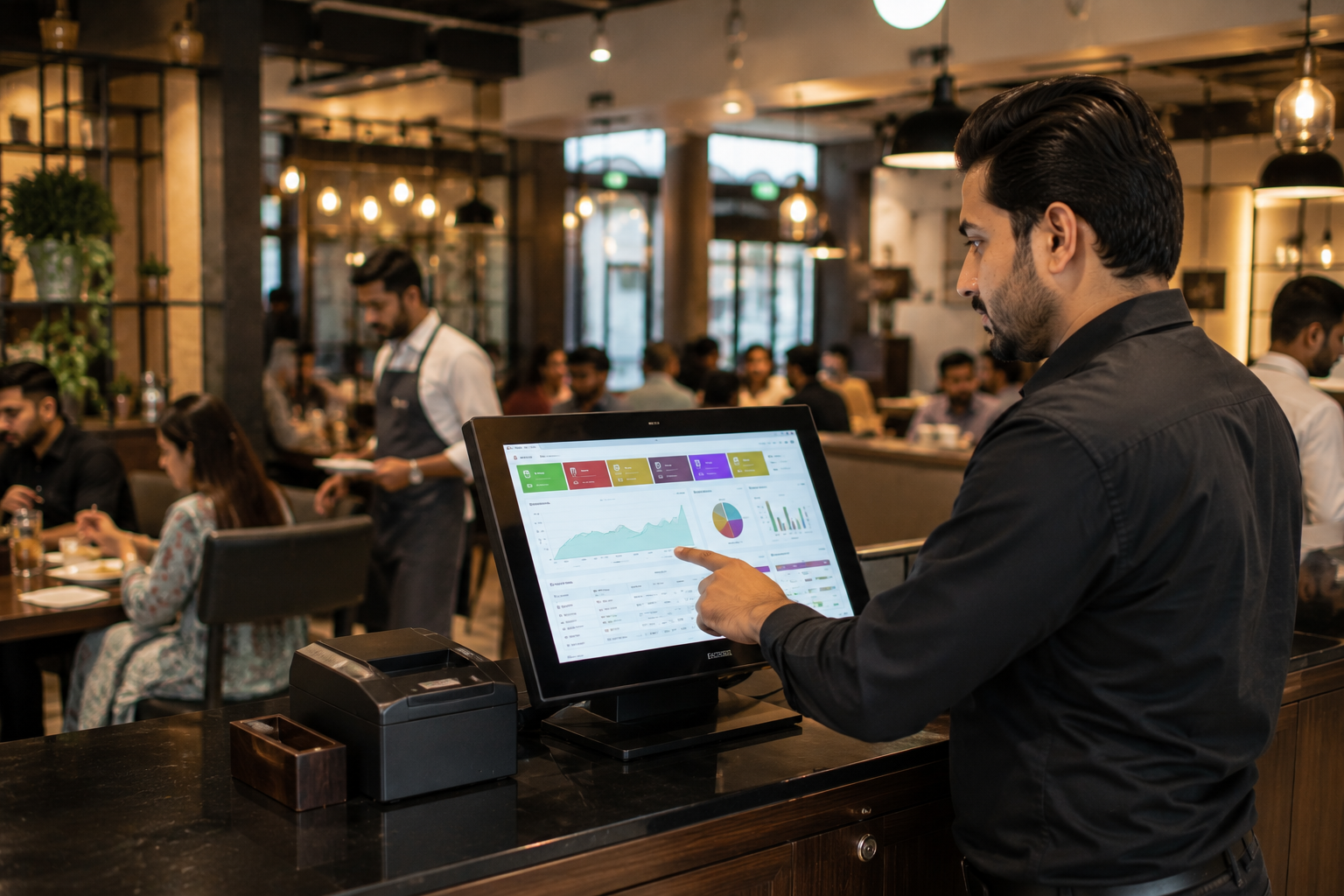
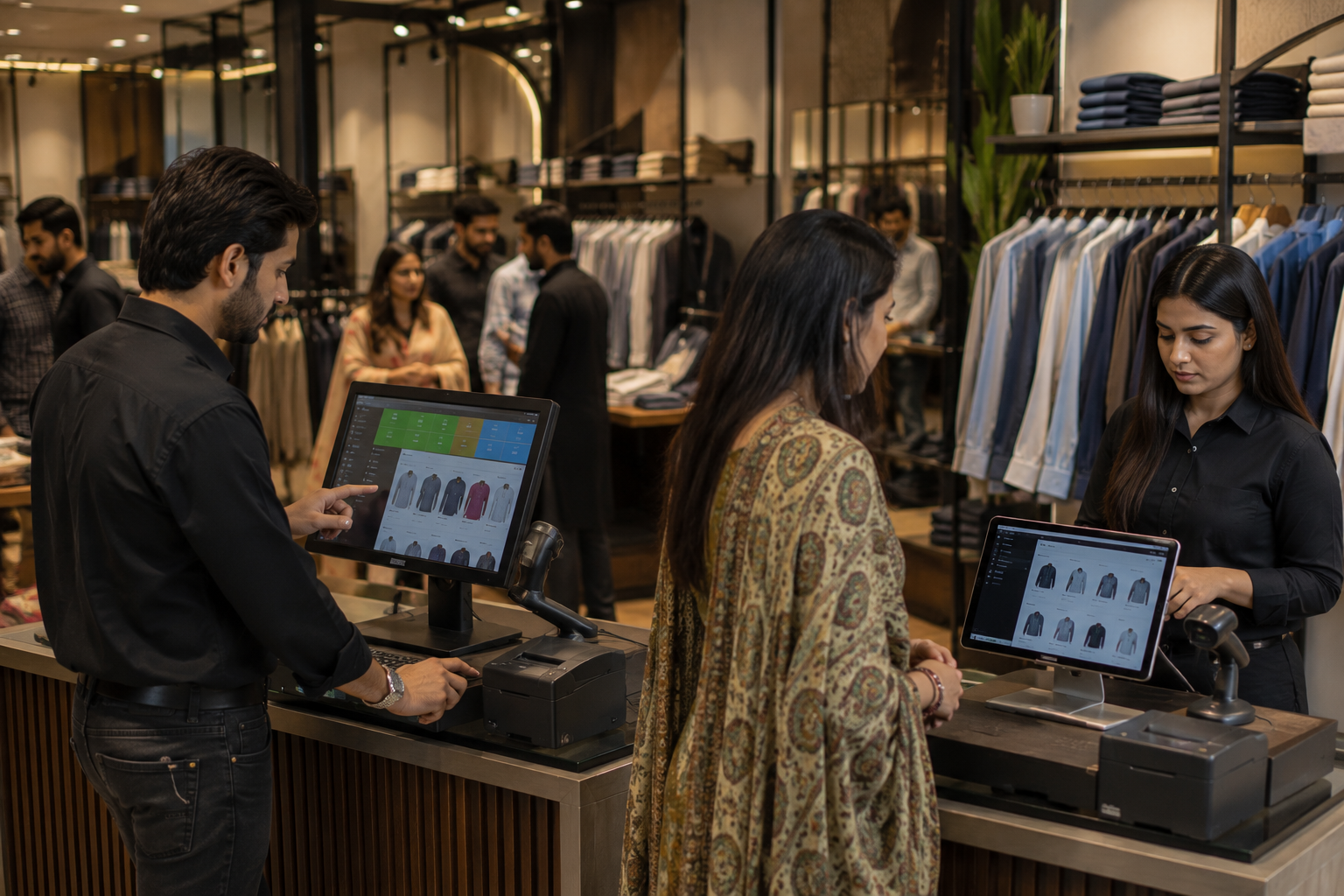
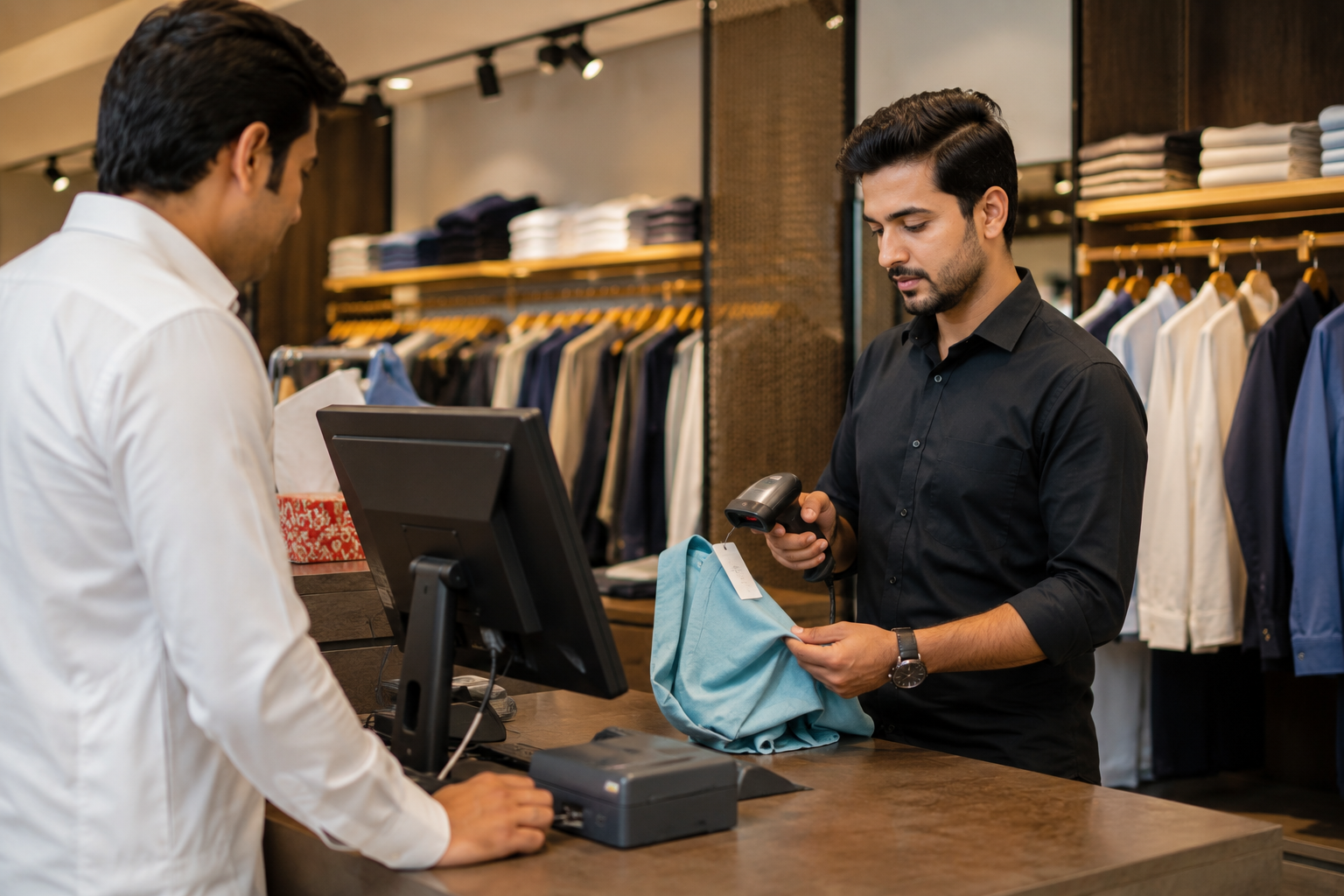
Solutions like Oscar help clothing businesses track inventory in real time, manage stock across locations, monitor sales performance, generate reports, and maintain accurate stock records. Instead of relying on manual processes, business owners can make informed decisions using real-time business data.
For growing clothing brands, having a reliable POS and inventory management system can significantly improve operational efficiency.
Common Mistakes New Clothing Brands Make
1. Ordering Too Much Inventory
Many new entrepreneurs overestimate demand and invest heavily in stock before validating the market.
Starting with smaller production runs can reduce risk.
2. Ignoring Brand Positioning
Customers need a clear reason to choose one clothing brand over another.
Strong positioning helps build recognition and loyalty.
3. Underpricing Products
Low prices may attract customers initially, but can hurt profitability and long-term sustainability.
4. Neglecting Inventory Management
Poor inventory control can result in stockouts, overstocking, inaccurate reporting, and cash flow problems.
5. Focusing Only on Sales
Long-term success depends on customer retention, repeat purchases, and brand loyalty.
Clothing Brand Launch Checklist
Before launching a clothing brand, ensure the following steps are completed:
- Choose a niche
- Conduct market research
- Create a business plan
- Register the business
- Develop branding
- Source manufacturers
- Create samples
- Set pricing
- Build sales channels
- Prepare marketing campaigns
- Set up inventory management systems
- Launch products
- Monitor performance and optimize
Conclusion
Starting a clothing brand in Pakistan presents exciting opportunities for entrepreneurs willing to combine creativity with strong business fundamentals. From choosing the right niche and sourcing quality products to marketing effectively and managing inventory, every step plays an important role in long-term success.
As a clothing business grows, operational efficiency becomes just as important as product quality. Managing stock, tracking sales, handling multiple product variants, and maintaining accurate records can quickly become overwhelming without the right systems in place.
Businesses that invest in strong processes and technology from the beginning are often better positioned to scale successfully.
If a clothing brand owner wants to see how a modern POS and inventory management system can simplify daily operations before making a commitment, trying an Oscar POS demo is a practical first step. It offers an opportunity to explore inventory tracking, sales management, reporting, and retail operations firsthand to determine whether it fits the business's growth plans.