How to Scale an Ecommerce Business Without Operational Chaos
June 1, 2026
.Blog
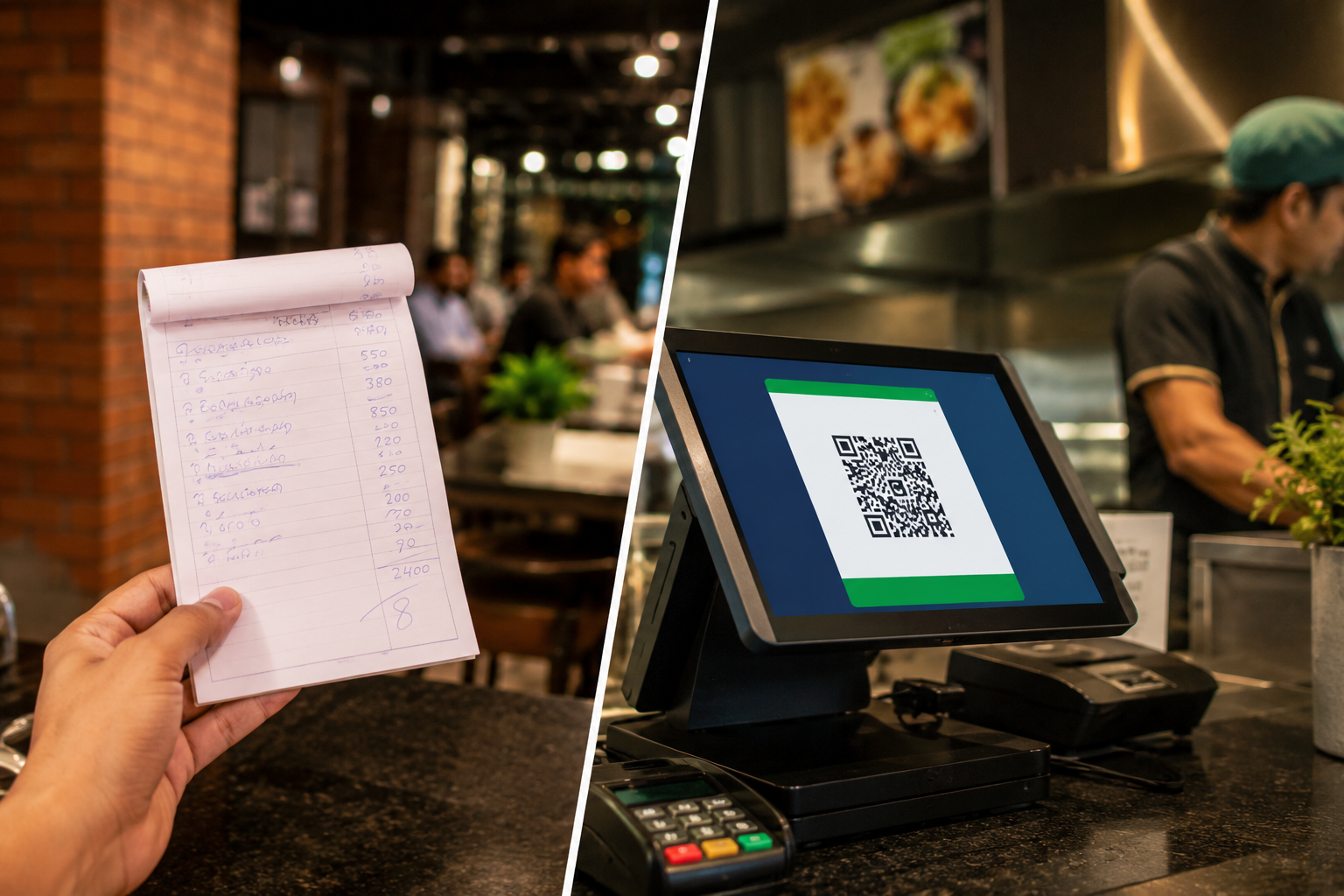
Growing an ecommerce business is exciting. More orders, more customers, and more sales often signal success. However, growth can quickly become overwhelming when operations fail to keep pace.
Many ecommerce businesses reach a point where spreadsheets become difficult to manage, inventory errors increase, customer inquiries pile up, and teams spend more time fixing problems than driving growth. What starts as a successful online store can gradually turn into operational chaos.
The challenge is not growth itself. The challenge is scaling efficiently.
This is where ecommerce management software, ecommerce automation software, and an integrated ecommerce POS system become critical. The right systems help businesses maintain control, improve operational scalability, and continue growing without sacrificing customer experience or profitability.
Why Ecommerce Businesses Struggle to Scale
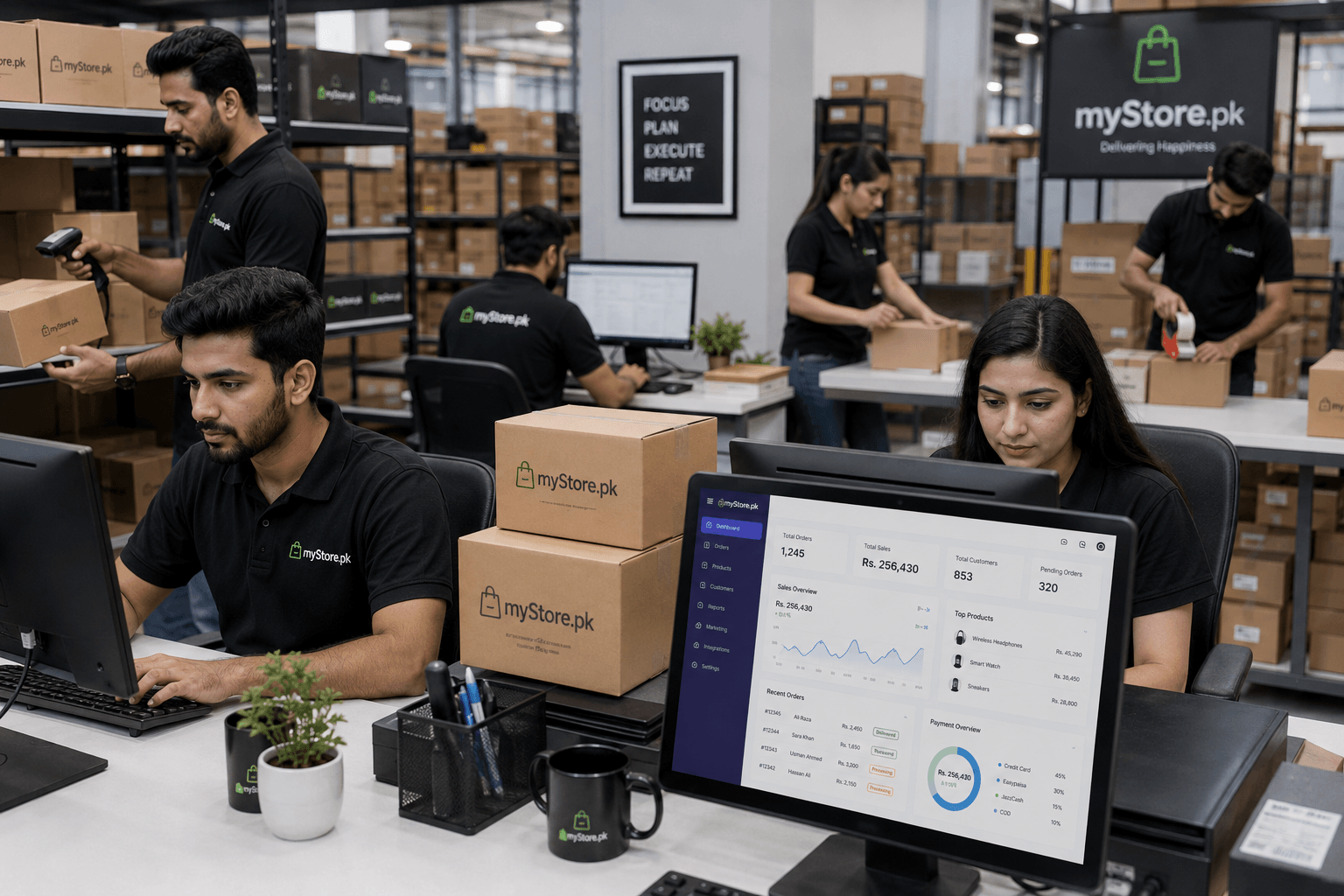
In the early stages, manual processes often work well enough. Inventory can be tracked in spreadsheets, orders can be processed manually, and reporting can be handled at the end of the week.
As order volumes increase, these methods become bottlenecks.
Common scaling challenges include:
- Inventory mismatches across sales channels
- Overselling products due to delayed stock updates
- Manual order processing errors
- Disconnected ecommerce and retail operations
- Slow fulfillment processes
- Difficulty tracking business performance
- Customer service delays
- Growing administrative workloads
Without the right infrastructure, operational complexity increases faster than revenue.
The Hidden Cost of Operational Chaos
Operational inefficiencies impact much more than internal workflows.
When systems are disconnected, businesses often experience:
1. Lost Sales Opportunities
Inventory inaccuracies can lead to stockouts, overselling, and canceled orders. Customers who encounter these issues may not return.
2. Reduced Team Productivity
Employees spend valuable hours manually updating inventory, processing orders, and generating reports instead of focusing on growth initiatives.
3. Poor Customer Experience
Delayed shipping updates, inaccurate stock information, and slow support responses create frustration for customers.
4. Limited Visibility
Without centralized reporting, decision-makers struggle to understand which products are performing well, where inventory is moving, and how different channels contribute to revenue.
5. Higher Operating Costs
As businesses grow, manual processes often require additional staffing, increasing costs without necessarily improving efficiency.
Five Operational Bottlenecks That Prevent Ecommerce Growth
1. Inventory Management Challenges
Inventory is often the first area where operational issues appear.
Businesses selling across websites, marketplaces, social channels, and physical stores frequently encounter inventory sync problems.
Without real-time inventory sync, stock levels become unreliable. Teams may sell products that are no longer available or fail to promote products that are fully stocked.
Effective ecommerce management software helps maintain accurate inventory tracking across all channels while reducing manual intervention.
2. Order Processing Delays
As order volumes increase, manual order handling becomes increasingly difficult.
Employees may spend hours:
- Reviewing orders
- Updating fulfillment statuses
- Coordinating shipments
- Managing returns
These repetitive tasks slow operations and increase the risk of human error.
Ecommerce automation software streamlines these workflows by automating routine processes and ensuring orders move efficiently through the fulfillment cycle.
3. Multi-Channel Complexity
Modern ecommerce businesses rarely sell through a single channel.
Many merchants operate through:
- Online stores
- Marketplaces
- Social commerce platforms
- Physical retail locations
Managing inventory, pricing, promotions, and orders separately for each channel creates unnecessary complexity.
Businesses need centralized systems that unify operations and provide a single source of truth.
4. Customer Data Fragmentation
Customer information is often spread across multiple systems.
Purchase history may exist in one platform while support conversations and marketing data exist elsewhere.
This fragmentation makes it difficult to provide personalized customer experiences and build long-term loyalty.
Integrated ecommerce management software helps centralize customer information and improve customer engagement.
5. Lack of Real-Time Reporting
Growing businesses require timely information.
Without access to real-time analytics, leaders often make decisions based on outdated data.
Centralized reporting allows businesses to:
- Monitor sales performance
- Track inventory movement
- Identify trends
- Forecast demand
- Optimize operations
The ability to make data-driven decisions becomes increasingly important as a business scales.
Signs a Business Has Outgrown Manual Operations
Many ecommerce businesses do not realize they have reached a critical scaling point until operational issues become severe.
Common warning signs include:
- Inventory updates take hours to complete
- Staff manually enter order information
- Different sales channels show different stock levels
- Reports require spreadsheet exports and manual calculations
- Customer inquiries increase due to fulfillment issues
- Teams spend more time troubleshooting than growing the business
When these challenges become routine, investing in ecommerce automation software becomes a necessity rather than an option.
How Ecommerce Management Software Supports Operational Scalability
Operational scalability means handling increased sales volume without creating additional complexity.
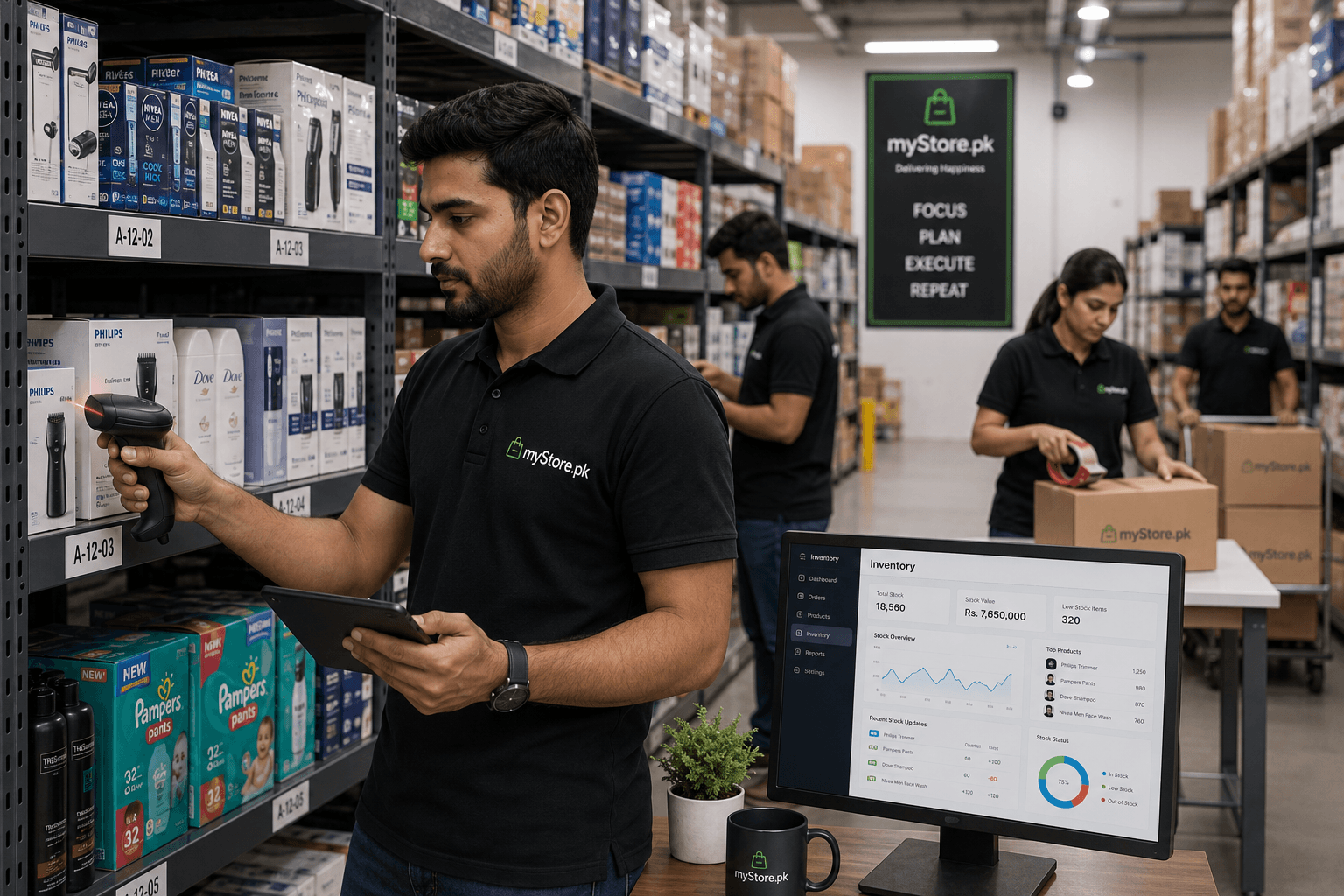
The right ecommerce management software helps businesses achieve this by centralizing critical functions.
1. Centralized Inventory Management
Real-time inventory sync ensures accurate stock levels across all channels.
This reduces overselling, improves stock accuracy, and provides greater visibility into inventory performance.
2. Automated Workflows
Automation reduces manual work associated with:
- Order processing
- Inventory updates
- Reporting
- Customer notifications
- Fulfillment tracking
This allows teams to focus on strategic growth rather than repetitive tasks.
3. Unified Business Operations
A centralized platform helps businesses manage inventory, orders, sales, and customer information from a single dashboard.
This eliminates data silos and improves operational efficiency.
4. Better Business Intelligence
Advanced reporting tools provide valuable insights into:
- Product performance
- Revenue trends
- Inventory turnover
- Customer behavior
- Sales channel effectiveness
These insights support smarter business decisions.
Why an Ecommerce POS System Matters for Growing Businesses
Many ecommerce brands eventually expand beyond online sales.
Whether through retail stores, pop-up locations, or wholesale operations, managing online and offline sales separately often creates new challenges.
An ecommerce POS system helps bridge this gap.
With a connected ecommerce POS system, businesses can:
- Synchronize inventory across channels
- Maintain consistent pricing
- Track customer purchases across touchpoints
- Access unified reporting
- Simplify operations
Instead of managing separate systems, businesses gain a complete view of their operations from one platform.
Building the Ideal Ecommerce Growth Stack
Businesses focused on sustainable growth should look for solutions that combine:
- Ecommerce management software
- Ecommerce automation software
- Inventory management capabilities
- Order management tools
- Customer management functionality
- Real-time analytics
- Ecommerce POS system integration
When these components work together, businesses can scale more efficiently while maintaining operational control.
How Oscar Helps Ecommerce Businesses Scale Efficiently
As ecommerce businesses grow, they need more than basic sales tools.
They need systems that support operational scalability, inventory sync, automation, and unified commerce.
Oscar helps businesses streamline operations through:
- Centralized inventory management
- Real-time inventory synchronization
- Integrated ecommerce POS system functionality
- Automated workflows
- Multi-location management
- Detailed reporting and analytics
- Customer management tools
By bringing critical business functions into one platform, Oscar helps businesses reduce operational complexity and focus on growth.
Instead of juggling multiple disconnected systems, merchants can manage their operations from a single solution designed to support scaling businesses.
Growth Shouldn't Create Chaos
Every ecommerce business wants more customers and more sales.
The businesses that scale successfully are not necessarily the ones with the largest teams. They are the ones with the right operational foundation.
Investing in ecommerce management software, ecommerce automation software, and an integrated ecommerce POS system helps create the infrastructure needed for sustainable growth.
When inventory stays synchronized, orders flow smoothly, reporting becomes accessible, and operations remain organized, businesses can scale confidently without losing control.
See How Oscar Simplifies Ecommerce Growth
Scaling an ecommerce business should feel exciting, not overwhelming.
If managing inventory, orders, multiple sales channels, and reporting is becoming increasingly complex, it may be time to explore a smarter way to operate.
Try the Oscar POS demo and experience how a connected ecommerce POS system, inventory management platform, and business automation solution can help streamline operations before making a long-term commitment.
See how growing businesses stay organized, improve efficiency, and scale without operational chaos.
FAQs
1. What is ecommerce management software?
Ecommerce management software is a platform that helps businesses manage inventory, orders, customers, reporting, and multiple sales channels from a centralized system.
2. Why is inventory sync important for ecommerce businesses?
Inventory sync ensures stock levels remain accurate across all sales channels. This reduces overselling, prevents stock discrepancies, and improves customer satisfaction.
3. What is operational scalability in ecommerce?
Operational scalability refers to a business's ability to handle increased sales volume and growth without significantly increasing complexity, costs, or manual workloads.
4. How does ecommerce automation software help growing businesses?
Ecommerce automation software automates repetitive tasks such as order processing, inventory updates, reporting, and customer notifications, improving efficiency and reducing errors.
5. What is an ecommerce POS system?
An ecommerce POS system connects online and offline sales operations, allowing businesses to manage inventory, customers, and reporting across all sales channels from a single platform.
6. When should a business invest in ecommerce management software?
A business should consider ecommerce management software when manual processes begin causing inventory issues, fulfillment delays, reporting challenges, or operational inefficiencies that limit growth.
7. Can ecommerce management software improve customer experience?
Yes. By improving inventory accuracy, speeding up order fulfillment, and centralizing customer information, ecommerce management software helps businesses deliver a more reliable customer experience.
8. How does Oscar support ecommerce growth?
Oscar helps businesses manage inventory, automate workflows, connect online and offline sales channels, access real-time reporting, and streamline operations through a centralized platform designed for growing businesses.