How Pakistani Businesses Can Accept Online Payments in 2026
May 25, 2026
.Blog
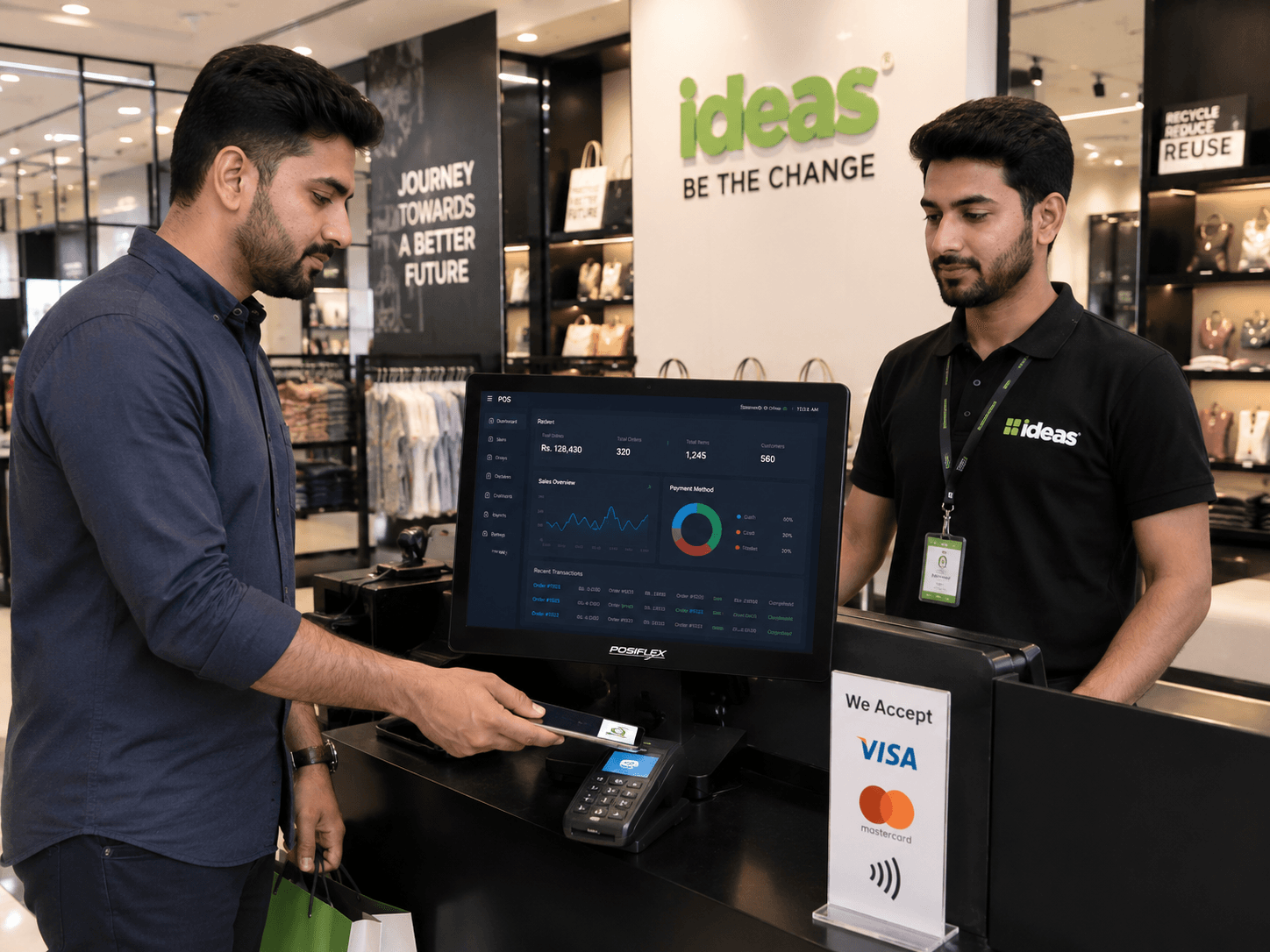
The way customers pay in Pakistan has changed rapidly over the last few years. From ecommerce stores and restaurants to pharmacies, salons, fuel stations, and retail outlets, businesses are now expected to offer fast, secure, and convenient digital payments.
Customers no longer want limited payment options at checkout. They expect businesses to accept debit cards, credit cards, bank transfers, mobile wallets, QR payments, and online checkout payments without friction.
For businesses, this shift is not just about convenience. It directly affects sales, customer trust, operational efficiency, and long-term growth.
This is why online payment systems in Pakistan have become an essential part of modern business operations.
Whether a company runs an ecommerce store, a retail chain, or a restaurant, understanding ecommerce payments in Pakistan and choosing the right payment gateway in Pakistan can help improve customer experience while simplifying payment collection and transaction management.
Why Online Payments Matter for Pakistani Businesses
Digital payments are no longer limited to large ecommerce brands. Customers across Pakistan now use mobile banking apps, debit cards, QR payments, and digital wallets for everyday transactions.
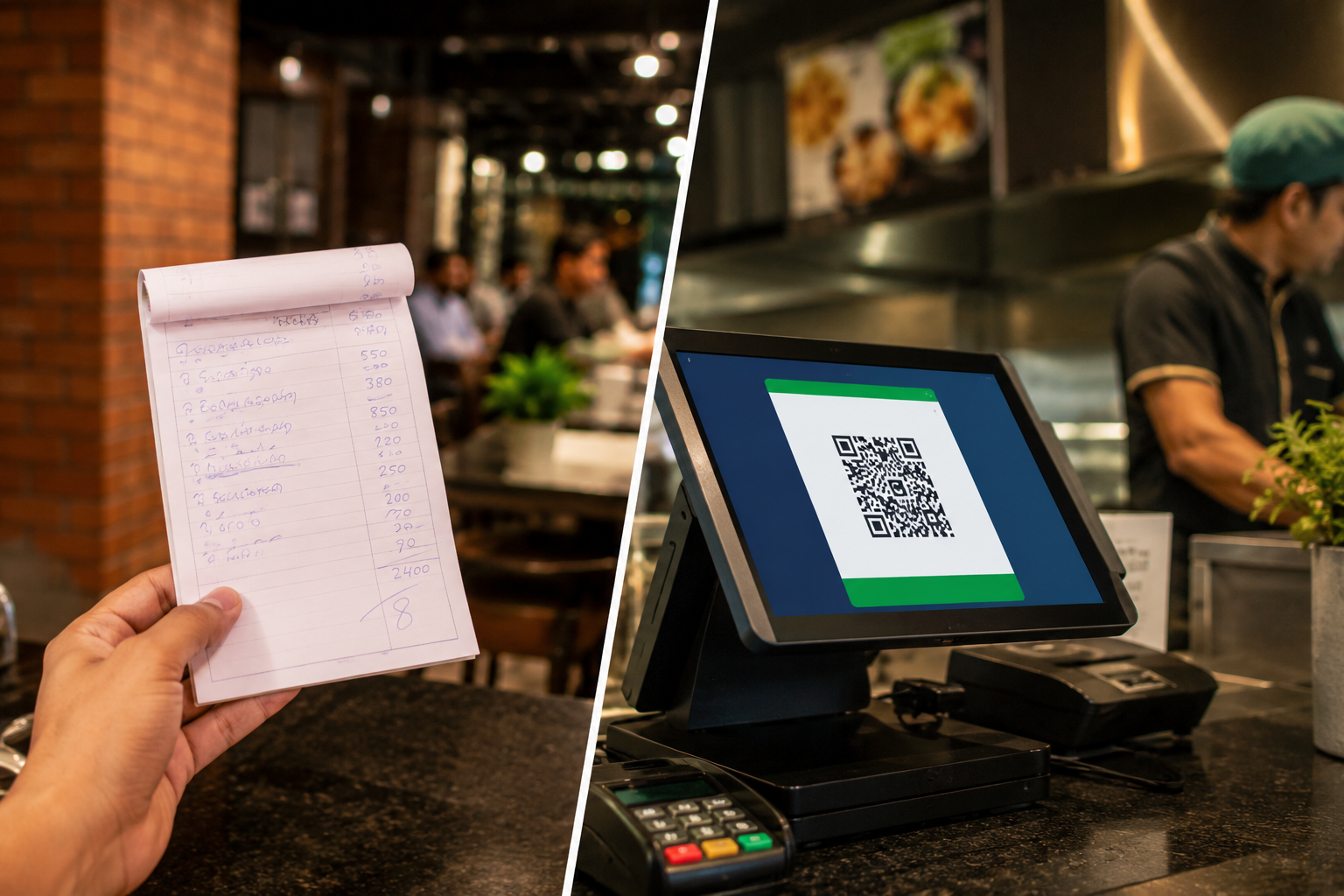
Businesses that still rely only on cash or cash on delivery often face challenges like:
- Delayed payments
- Higher order cancellations
- Difficult cash reconciliation
- Limited customer convenience
- Slower business scaling
- Increased manual accounting work
Online payments help businesses solve these problems by making transactions faster, safer, and easier to track.
For ecommerce businesses, especially, offering multiple payment methods can significantly improve checkout conversions and reduce abandoned carts.
Understanding How Online Payment Systems Work
Many business owners hear terms like payment gateway, payment processor, merchant account, or digital wallet without fully understanding how they work together.
A simple online payment flow looks like this:
Customer → Payment Gateway → Bank or Wallet → Merchant Account → Business
Here is what each part does:
1. Payment Gateway
A payment gateway in Pakistan securely processes online transactions between customers and businesses. It acts as the bridge between the customer’s payment method and the business receiving funds.
2. Payment Processor
The processor handles the technical transaction between financial institutions to authorize and complete the payment.
3. Merchant Account
This is where businesses receive online payments before funds are settled into their bank accounts.
4. Digital Wallets and Banking Apps
These include mobile wallets and digital payment platforms that customers use to make quick payments through smartphones or QR codes.
Understanding this ecosystem helps businesses choose the right digital payment solutions instead of selecting tools based only on pricing.
Popular Ecommerce Payments in Pakistan
Businesses today need to support multiple payment methods because customers prefer flexibility at checkout.
1. Debit and Credit Card Payments
Card payments remain one of the most trusted payment methods for ecommerce businesses and retail stores.
Benefits include:
- Faster transactions
- Better customer trust
- Smooth online checkout experience
- Easy integration with ecommerce platforms
Businesses that accept Visa and Mastercard payments often improve customer confidence during online purchases.
2. Mobile Wallet Payments
Digital wallets have become extremely popular in Pakistan due to smartphone adoption and mobile banking growth.
Wallet-based payments help businesses:
- Accept payments instantly
- Reach younger customers
- Simplify mobile checkout
- Reduce cash dependency
3. QR Code Payments
QR-based digital payments are growing rapidly among restaurants, retail stores, and service businesses.
Customers can simply scan and pay through banking apps or wallets without entering card details manually.
4. Bank Transfers and Raast Payments
Instant bank transfer systems and Raast payments are becoming important for businesses that want direct account-based transactions with lower friction.
These payment methods are useful for:
- Online stores
- Service providers
- B2B businesses
- Subscription payments
5. Cash on Delivery
Although COD is still common in ecommerce payments in Pakistan, many businesses are now encouraging prepaid digital payments to reduce fake orders and return issues.
The best approach is usually to offer both digital payments and COD while gradually increasing online payment adoption.
Challenges Businesses Face with Online Payments
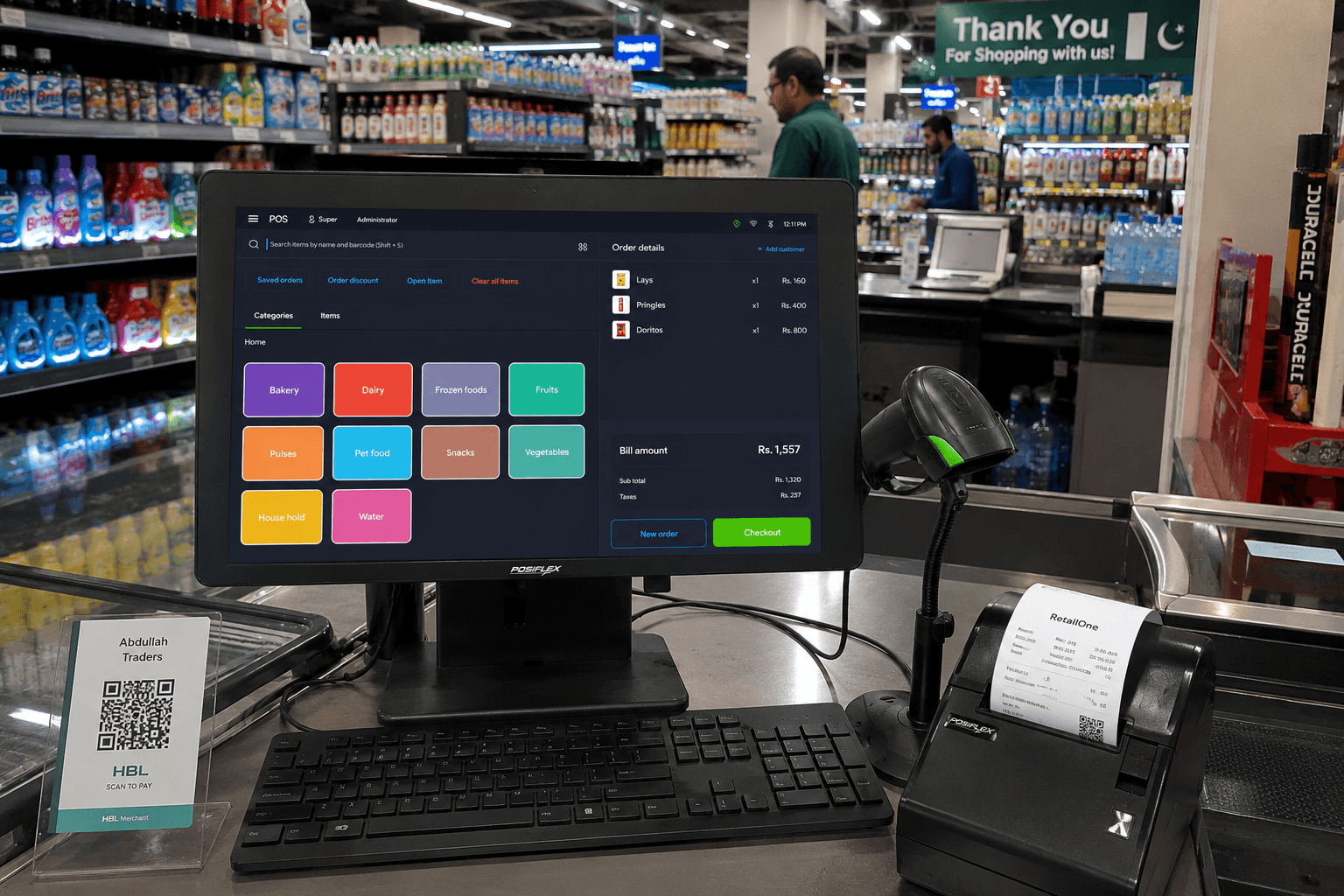
Accepting digital payments can improve efficiency, but businesses also face operational challenges if systems are disconnected.
Common issues include:
- Manual payment reconciliation
- Delayed settlements
- Incomplete transaction tracking
- Poor reporting visibility
- Disconnected ecommerce and POS systems
- Difficulty managing online and offline sales together
This is where integrated systems become important.
Businesses need solutions that not only accept payments but also connect sales, reporting, inventory, and operations into one centralized system.
What Businesses Should Look for in a Payment Gateway in Pakistan
Choosing the right payment gateway in Pakistan is one of the most important decisions for any ecommerce or retail business.
1. Security and Transaction Protection
Secure payment processing is critical for customer trust.
Businesses should look for:
- Encrypted transactions
- Fraud protection
- Secure checkout systems
- PCI-compliant payment infrastructure
Customers are more likely to complete purchases when they trust the payment process.
2. Fast Settlement Times
Delayed settlements can affect cash flow, especially for growing businesses.
A good payment system should offer transparent settlement timelines and smooth fund transfers.
3. Support for Multiple Payment Methods
Businesses should support:
- Credit cards
- Debit cards
- Mobile wallets
- QR payments
- Bank transfers
Offering multiple options helps improve payment collection and customer convenience.
4. Ecommerce Integration
The payment system should integrate smoothly with ecommerce platforms and business management software.
This reduces manual work and improves operational visibility.
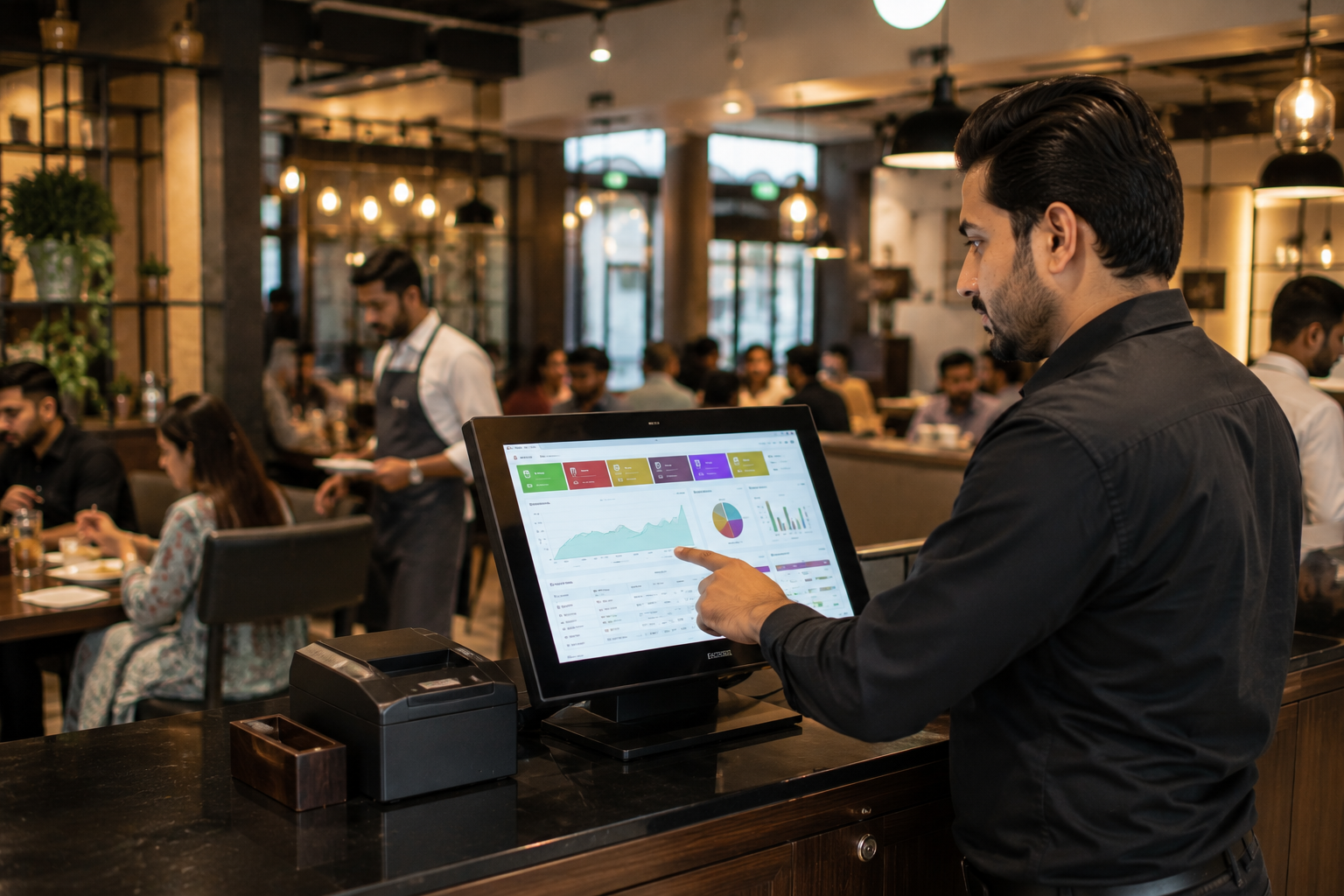
5. Reporting & Transaction Tracking
Businesses need real-time visibility into:
- Sales performance
- Payment status
- Transaction history
- Refunds
- Daily collections
Strong reporting capabilities simplify financial management and reconciliation.
How Online Payments Improve Ecommerce Growth
For ecommerce businesses, digital payments are closely tied to customer experience and conversion rates.
A slow or limited checkout process often leads to abandoned carts.
Modern ecommerce payment systems help businesses:
- Improve checkout speed
- Increase customer trust
- Offer flexible payment methods
- Reduce payment failures
- Streamline order management
Customers are far more likely to complete purchases when checkout feels secure and convenient.
Why Omnichannel Payment Management Matters
Modern businesses rarely operate through a single channel.
Many Pakistani businesses now sell through:
- Physical stores
- Ecommerce websites
- Social media
- Food delivery apps
- WhatsApp orders
Managing payments separately across these channels creates operational confusion.
Omnichannel payment systems help businesses centralize everything into one dashboard.
This allows businesses to:
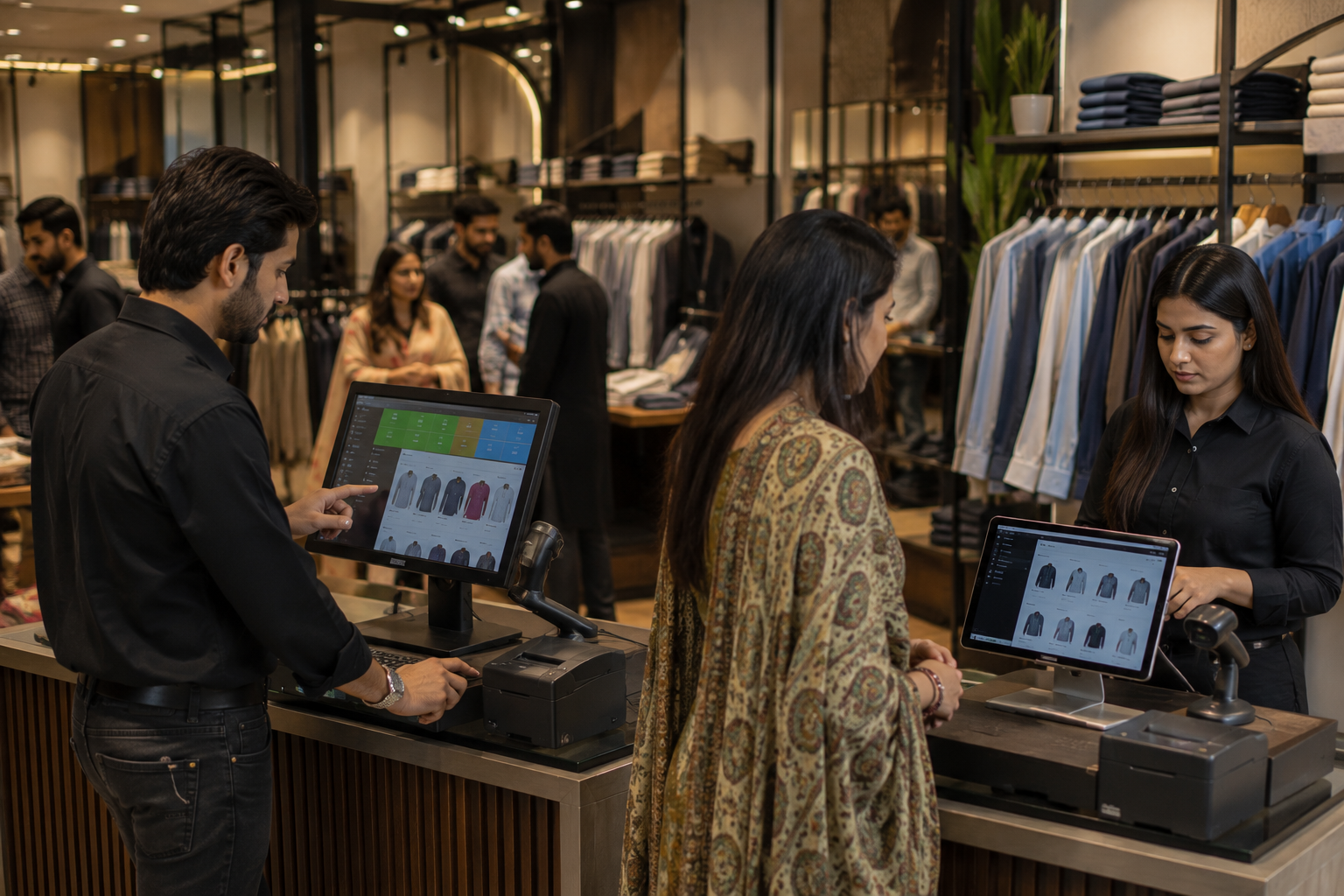
- Track online and offline sales together
- Monitor inventory accurately
- Manage unified reporting
- Simplify reconciliation
- Improve operational efficiency
How Oscar Helps Businesses Manage Payments More Efficiently
Businesses today need more than just standalone payment collection tools.
They need systems that connect payments with inventory, reporting, sales tracking, and customer operations.
This is where Oscar helps businesses simplify day-to-day management.
Oscar POS supports modern businesses by helping them manage:
- Retail operations
- Ecommerce integrations
- Payment tracking
- Sales reporting
- Inventory management
- Customer transactions
- Omnichannel business workflows
Instead of handling payments and operations through disconnected systems, businesses can manage everything centrally with better visibility and control.
For retail stores, restaurants, pharmacies, and growing ecommerce brands, this creates a much smoother operational experience.
Common Mistakes Businesses Make When Choosing Online Payment Systems
1. Choosing Based Only on Fees
Low transaction fees may look attractive initially, but businesses also need to evaluate reliability, integrations, support quality, and reporting capabilities.
2. Ignoring Mobile Checkout Experience
Most customers now browse and shop through smartphones.
Complicated mobile payment experiences can reduce conversions significantly.
3. Offering Limited Payment Options
Customers expect flexibility. Businesses that only offer one or two payment methods may lose potential sales.
4. Using Disconnected Systems
Managing ecommerce payments separately from POS and inventory systems often creates reporting errors and operational inefficiencies.
5. Not Prioritizing Security
Weak payment security can damage customer trust and create long-term reputation issues.
The Future of Digital Payments in Pakistan
The digital payment landscape in Pakistan continues to evolve quickly.
Businesses are increasingly adopting:
- QR-based transactions
- Wallet payments
- Instant bank transfers
- Contactless payments
- Integrated commerce systems
- Centralized payment reporting
As ecommerce and retail competition grows, businesses that invest in modern online payment systems will be better positioned to scale efficiently and serve customers more effectively.
Final Thoughts
Online payments are no longer optional for modern businesses in Pakistan.
Whether it is a retail store, ecommerce brand, a restaurant, a pharmacy, or a service business, customers now expect fast, secure, and flexible payment experiences.
The right online payment systems in Pakistan can help businesses improve customer trust, simplify payment collection, reduce operational inefficiencies, and create a smoother checkout experience across all channels.
More importantly, businesses should focus on integrated systems that connect payments with inventory, reporting, ecommerce, and day-to-day operations instead of relying on disconnected tools.
For businesses looking to modernize operations while managing payments more efficiently, exploring a platform like Oscar POS can be a practical next step.
Trying a live Oscar POS demo can help businesses understand how centralized payment management, reporting, and operational visibility work in a real business environment before making a long-term decision.