How FBR Integration Works for Restaurants in Pakistan
June 19, 2026
.Blog

Running a restaurant in Pakistan involves much more than serving great food and delivering memorable customer experiences. As businesses continue moving toward digital operations, compliance has become a key part of managing a successful restaurant. One of the most important developments in recent years is FBR POS integration.
Many restaurant owners have heard about FBR integration but are still unsure about what it actually means, how it works, and what impact it has on their daily operations. Understanding the process can help restaurant owners stay compliant, simplify reporting, and improve business efficiency.
This guide explains how FBR POS integration works for restaurants in Pakistan, what businesses need before getting started, and how choosing the right restaurant POS system can make the entire process easier.
What Is FBR POS Integration?
FBR POS integration is the process of connecting a restaurant's point of sale system with the Federal Board of Revenue (FBR). Once integrated, sales transactions generated through the restaurant POS are automatically reported to FBR in real time or near real time.
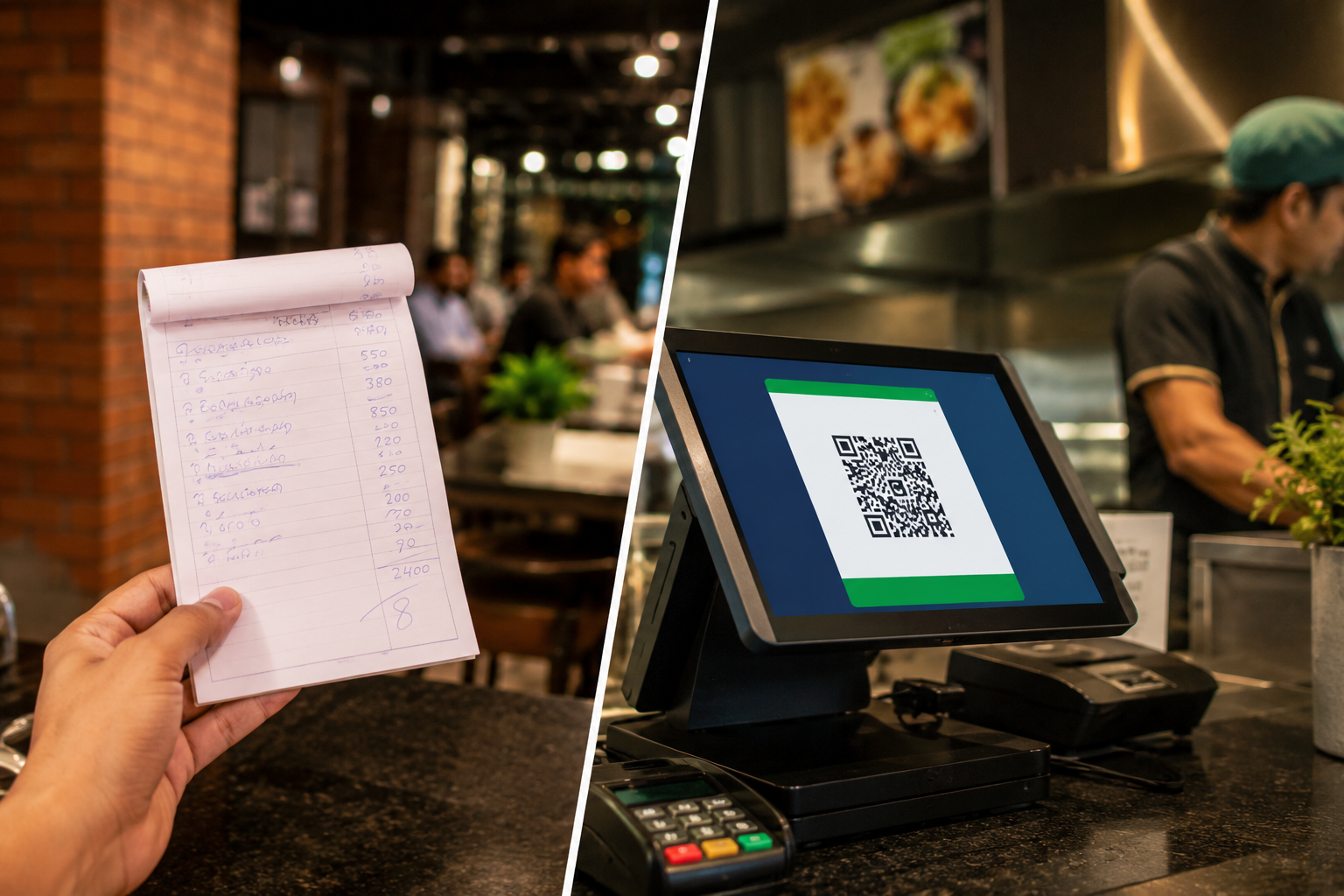
Instead of relying on manual reporting methods, restaurants can use an FBR integrated POS system to transmit transaction data directly through approved channels. This creates a more transparent and efficient system for tax compliance and sales reporting.
For restaurants, this means that every eligible sale can be digitally recorded and shared with FBR while maintaining accurate business records.
Why Is FBR POS Integration Important for Restaurants?
The restaurant industry processes hundreds or even thousands of transactions every day. Managing sales records manually can lead to errors, delays, and compliance risks.
An FBR compliant POS system helps restaurants:
- Improve tax compliance
- Automate sales reporting
- Reduce manual data entry
- Maintain accurate transaction records
- Prepare for audits more effectively
- Improve business transparency
- Save administrative time
As regulations continue evolving, digital invoicing and automated transaction reporting are becoming increasingly important for restaurants that want to operate efficiently and remain compliant.
How FBR POS Integration Works
Understanding the workflow helps restaurant owners see how the integration fits into everyday restaurant operations.
Step 1: Customer Places an Order
The process begins when a customer places an order for dine in, takeaway, or delivery.
The order is entered into the restaurant management system through the POS terminal.
Step 2: The POS Generates a Digital Invoice
Once the order is finalized and payment is processed, the restaurant billing software generates an invoice containing transaction details such as:
- Invoice number
- Date and time
- Product details
- Sales amount
- Applicable taxes
- Business information
This invoice serves as the official record of the transaction.
Step 3: Transaction Data Is Sent to FBR
Through FBR POS integration, relevant transaction data is securely transmitted from the restaurant POS system to FBR.
The transfer happens automatically, eliminating the need for staff to manually report individual sales.
Step 4: FBR Validates the Transaction
The submitted information is reviewed and validated through FBR's system.
Once validation is successful, the transaction becomes part of the restaurant's official tax reporting records.
Step 5: Sales Records Are Stored
The restaurant retains a complete digital record of sales activity within the POS software.
Managers can access transaction history, reports, and performance insights whenever needed.
Step 6: Business Reporting Becomes Easier
Since sales data is already being captured and reported automatically, restaurant owners can spend less time on administrative work and more time focusing on operations and growth.
How FBR POS Integration Works for Restaurants
Restaurant FBR integration connects the restaurant's sales workflow with the applicable FBR invoicing and reporting requirements. Depending on the business's classification and applicable regulations, restaurants may need a POS setup that supports compliant transaction recording and electronic invoice reporting.
An FBR-integrated restaurant POS system should fit into daily operations, from recording customer orders and processing bills to generating the required invoices. Correct configuration helps businesses maintain consistent transaction records without relying entirely on separate manual processes.
Key Considerations for Restaurant FBR Integration
- Billing and transaction recording: Record restaurant sales accurately through the POS workflow.
- Invoice generation: Ensure invoices meet the applicable FBR requirements.
- Transaction reporting: Support required reporting through the configured integration.
- Sales reconciliation: Review transaction records and resolve discrepancies.
- Operational continuity: Monitor integration status and address failed submissions where applicable.
Oscar provides POS capabilities for managing restaurant sales and business operations. Restaurant operators should verify the availability and scope of the relevant FBR integration features before deployment.
What Restaurants Need Before FBR Integration
Before implementing an FBR-integrated POS, restaurants should ensure they meet the requirements.
1. Business Registration
The restaurant should have valid business registration documentation where applicable.
2. Tax Registration
Relevant tax registration requirements should be completed before integration can take place.
3. Compatible POS Software
Not every restaurant POS system supports FBR integration.
Choosing a POS platform that offers built in FBR connectivity can significantly simplify implementation and ongoing compliance.
4. Stable Internet Connectivity
Because transaction data is transmitted digitally, reliable internet access is essential for smooth operation.
5. Staff Training
Restaurant teams should understand how the POS system works so they can process transactions accurately and avoid reporting issues.

Benefits of FBR Integrated POS Systems for Restaurants
Restaurants that adopt an FBR compliant POS system often experience benefits beyond regulatory compliance.
1. Faster Reporting
Automated reporting reduces administrative workload and eliminates repetitive manual tasks.
2. Reduced Human Errors
Manual data entry can lead to mistakes. Automated transaction reporting improves accuracy and consistency.
3. Better Visibility Into Sales
Restaurant owners gain access to centralized sales records, making it easier to track performance and identify trends.
4. Improved Operational Efficiency
When billing, reporting, and record management work together within a single system, teams can operate more efficiently.
5. Stronger Audit Readiness
Accurate digital records help restaurants prepare for audits and regulatory reviews with greater confidence.
Common Challenges During FBR POS Integration
While the process is generally straightforward with the right software, some restaurants may encounter challenges.
1. Using Outdated Software
Older restaurant billing systems may not support modern integration requirements.
2. Incomplete Configuration
Incorrect setup can create reporting inconsistencies and compliance issues.
3. Poor Internet Connectivity
Unstable connections can affect communication between systems.
4. Limited Staff Knowledge
Without proper training, employees may struggle to use new workflows effectively.
Choosing an experienced POS provider can help restaurants avoid these common issues.
How to Choose the Right FBR Compliant POS System
Not all POS solutions offer the same capabilities. Restaurants should evaluate software based on operational needs and future growth plans.
Key features to look for include:
- FBR POS integration
- Real-time sales reporting
- Restaurant billing software capabilities
- Kitchen order management
- Delivery management
- Multi-branch support
- Inventory management
- Cloud-based access
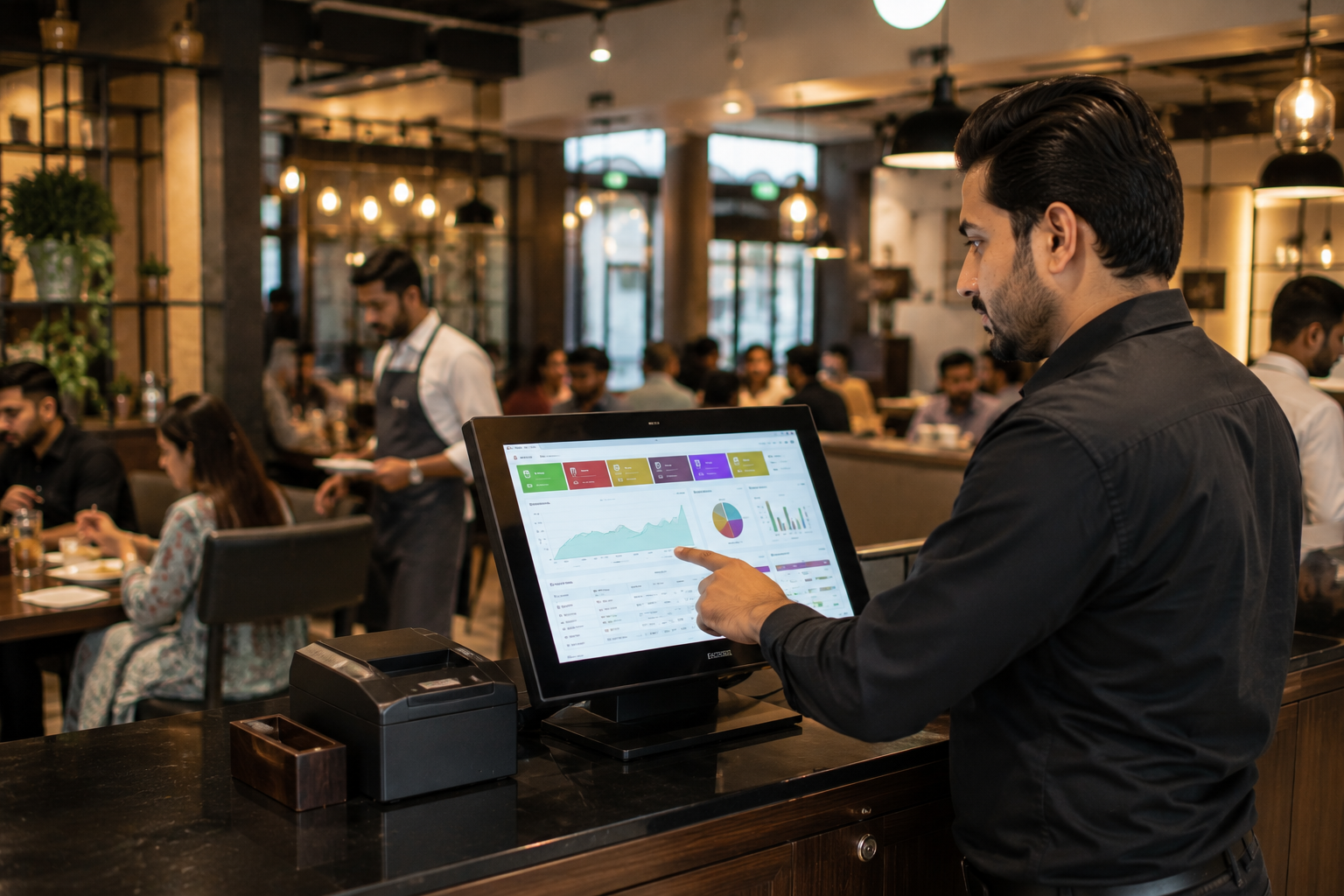
- Business reporting dashboards
- User-friendly interface
A complete restaurant management system should help businesses improve both compliance and operational efficiency.
How Oscar Helps Restaurants Simplify FBR Compliance
For restaurants looking to streamline operations while maintaining compliance, Oscar provides an all-in-one restaurant POS solution designed for modern businesses.
Oscar helps restaurants manage billing, orders, inventory, reporting, and day-to-day operations through a centralized platform. With FBR integration capabilities, restaurant owners can automate transaction reporting while maintaining accurate records across their business.
Whether managing a single location or multiple branches, Oscar provides the tools needed to simplify restaurant operations and support long-term growth.
The Future of Restaurant Compliance in Pakistan
The shift toward digital tax reporting and automated invoicing is expected to continue across Pakistan. Restaurants that invest in modern restaurant POS systems today are better positioned to adapt to changing requirements in the future.
An FBR integrated POS does more than support compliance. It creates a foundation for better reporting, greater efficiency, and smarter business decisions.
By combining operational management with automated reporting, restaurants can spend less time worrying about paperwork and more time delivering exceptional customer experiences.
Ready to Simplify Restaurant Operations and FBR Compliance?
Managing restaurant operations and staying compliant does not have to be complicated. With the right POS system, restaurants can automate reporting, streamline billing, improve visibility into sales, and focus on serving customers.
Businesses looking for a smarter way to manage their restaurant can contact the Oscar team for a personalized demo and see how Oscar POS can help simplify FBR integration, improve efficiency, and support long-term growth.
FAQs
1. What is FBR POS integration?
FBR POS integration connects a restaurant's point of sale system with FBR so that transaction data can be reported automatically through approved digital channels.
2. Is FBR POS integration mandatory for restaurants in Pakistan?
Requirements can vary depending on the nature and size of the business. Restaurant owners should consult current FBR guidelines and their tax advisors to understand their obligations.
3. How does FBR integration work with a restaurant POS system?
The POS generates transaction data during billing, which is then transmitted digitally to FBR through an integrated system.
4. What documents are required for FBR POS integration?
Requirements may vary, but businesses generally need relevant registration and tax documentation before proceeding with integration.
5. Can an existing restaurant POS be integrated with FBR?
This depends on whether the current software supports FBR integration. Some systems may require upgrades or replacement.
6. How long does FBR integration take?
Implementation timelines vary depending on software readiness, business requirements, and technical setup.
7. What are the benefits of an FBR integrated POS system?
Benefits include automated tax reporting, reduced manual work, improved accuracy, better record keeping, and stronger compliance management.
8. What features should restaurants look for in an FBR compliant POS system?
Restaurants should look for FBR integration, billing capabilities, inventory management, reporting tools, kitchen management, cloud access, and multi branch support.
9. How can restaurants verify that transactions are reported correctly?
Most modern POS systems provide reporting tools and transaction records that help businesses review submitted sales data and maintain accurate records.
10. Which POS software in Pakistan offers FBR integration?
Several solutions offer FBR integration, but restaurants should choose a platform that combines compliance features with operational tools. Oscar provides a complete restaurant management system designed to support both business growth and compliance requirements.