How Card Payments Are Changing Retail in Pakistan
June 4, 2026
.Blog
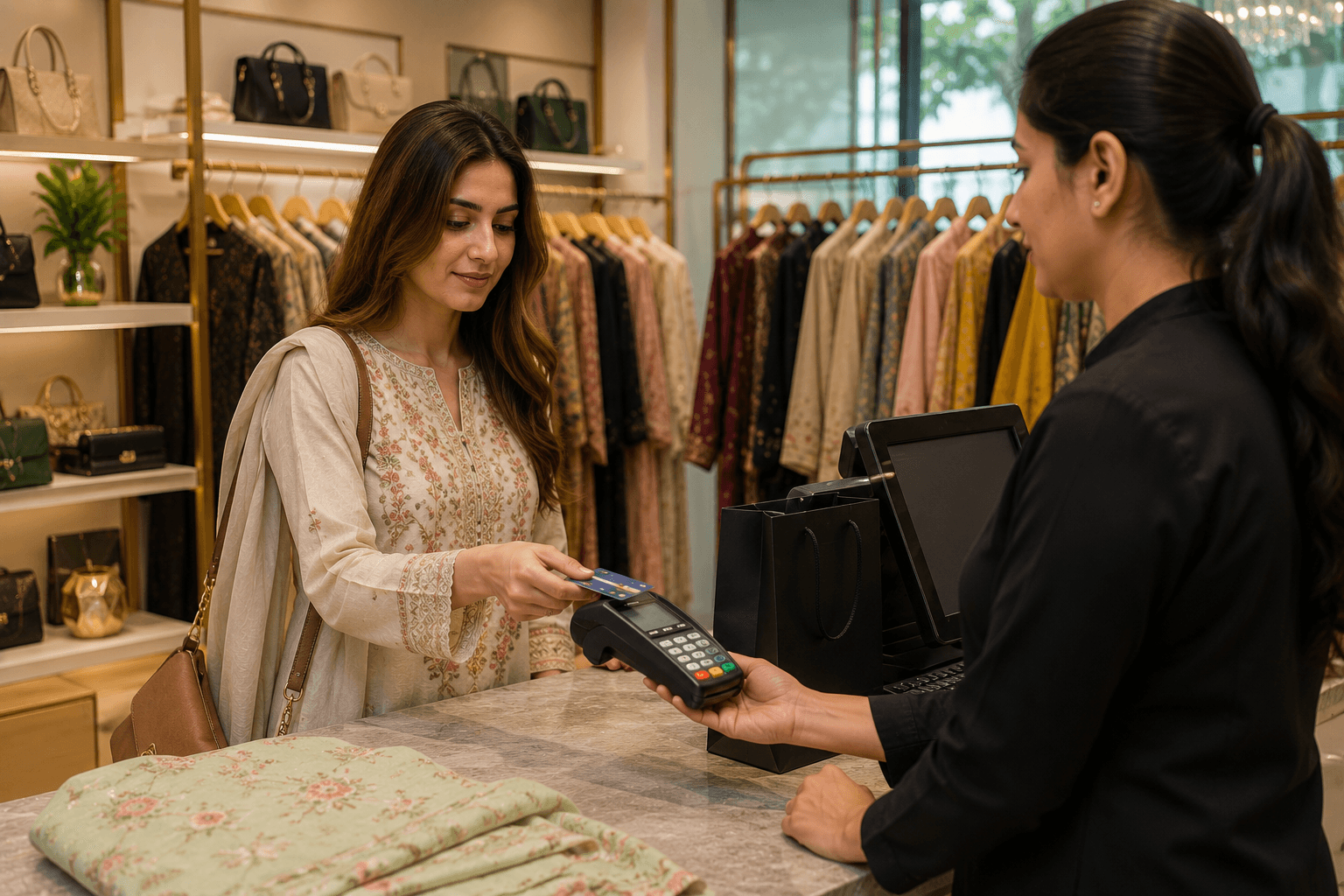
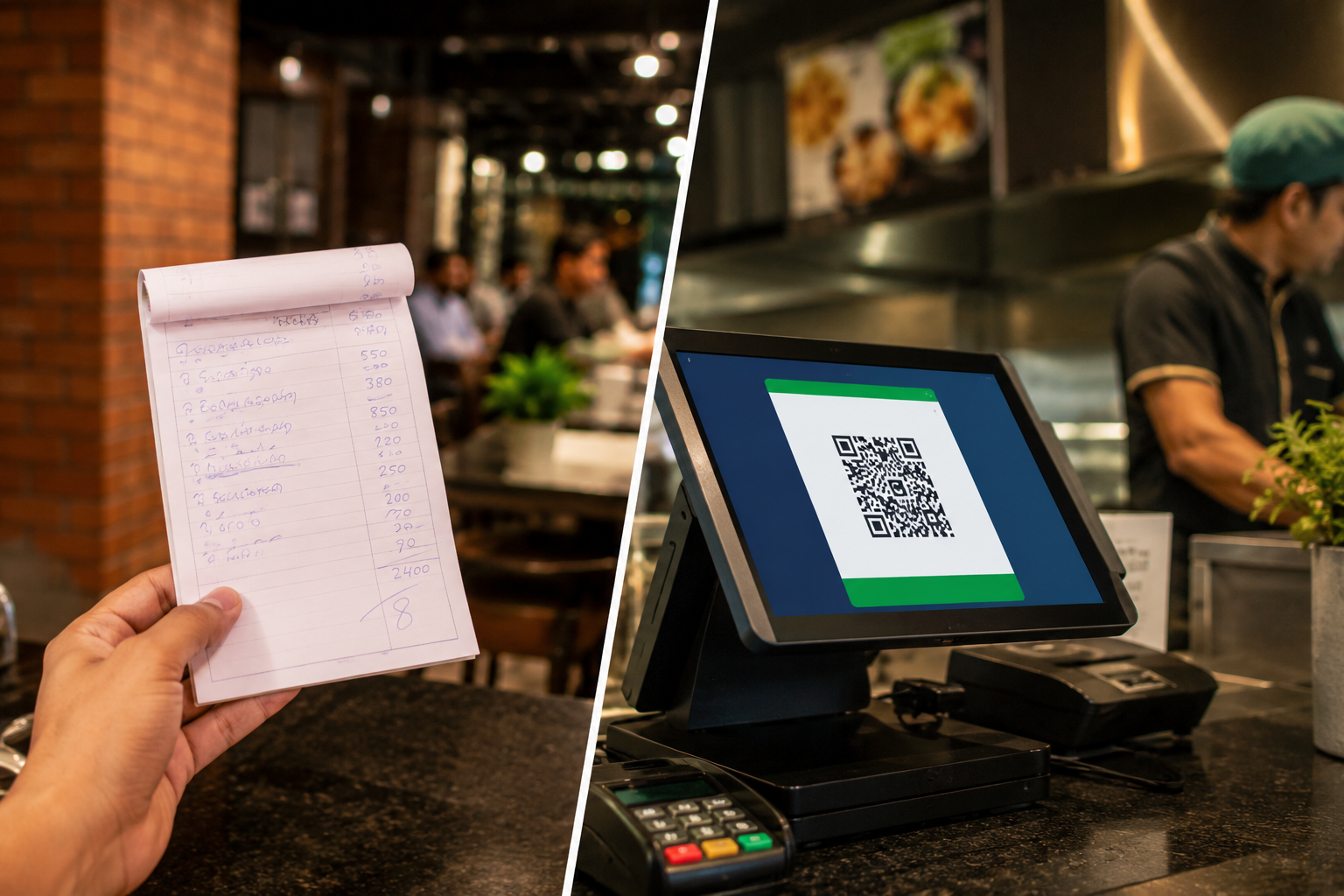
Retail in Pakistan is evolving rapidly. Consumers today expect convenience, speed, and flexibility when making purchases. While cash has traditionally dominated retail transactions, card payments and other digital transactions are becoming increasingly common across supermarkets, clothing stores, electronics shops, pharmacies, restaurants, and small businesses.
As more people use debit and credit cards for everyday purchases, retailers are beginning to recognize the advantages of accepting cashless payments. From improving customer experience to streamlining operations, card payments are changing how businesses operate and grow.
This shift is not just about adopting new technology. It is about meeting changing customer expectations and building a more efficient retail business.
The Rise of Card Payments in Pakistan
Pakistan's retail landscape has witnessed significant growth in digital payment adoption over the last few years. Increased banking penetration, mobile banking apps, digital wallets, and greater awareness of electronic payments have encouraged consumers to move beyond cash.
Many shoppers now prefer the convenience of paying with cards rather than carrying large amounts of cash. This trend is particularly noticeable in urban areas where customers value faster checkouts and multiple payment options.
As digital transactions continue to increase, retailers that offer card payment options are often better positioned to attract modern consumers and remain competitive.
Why Consumers Prefer Card Payments
Customer behavior is changing. Convenience plays a major role in purchasing decisions, and payment flexibility has become an important part of the shopping experience.
Some of the key reasons customers prefer card payments include:
- Faster checkout experiences
- Reduced need to carry cash
- Improved transaction security
- Easy expense tracking through banking apps
- Ability to make larger purchases without cash limitations
- Greater confidence when shopping
For many consumers, the ability to pay with a debit or credit card is no longer considered a luxury. It is becoming an expectation.
What Happens When Retailers Do Not Accept Card Payments?
Businesses that rely solely on cash may unintentionally create friction for customers.
Imagine a customer walking into a store intending to make a purchase worth several thousand rupees. If they do not have enough cash available and the retailer cannot accept credit card payments, the sale may be lost.
This scenario happens more often than many business owners realize.
Retailers that do not support digital payment methods may face:
- Lost sales opportunities
- Reduced customer convenience
- Longer checkout processes
- Limited purchasing flexibility for customers
- Difficulty competing with modern retailers
As consumer preferences continue to evolve, offering multiple payment methods can help businesses capture more sales and improve customer satisfaction.
Benefits of Accepting Card Payments
1. Faster Checkout Experience
Speed matters in retail.
Cash transactions often involve counting money, finding change, and verifying payments. Card payments simplify this process and help reduce waiting times.
Faster checkouts can improve customer satisfaction and allow businesses to serve more customers during busy hours.
2. Increased Customer Spending
Research across retail markets consistently shows that customers often spend more when they have flexible payment options.
When shoppers are not restricted by the amount of cash in their wallets, they may feel more comfortable making additional purchases.
For retailers, this can contribute to higher transaction values and increased revenue.
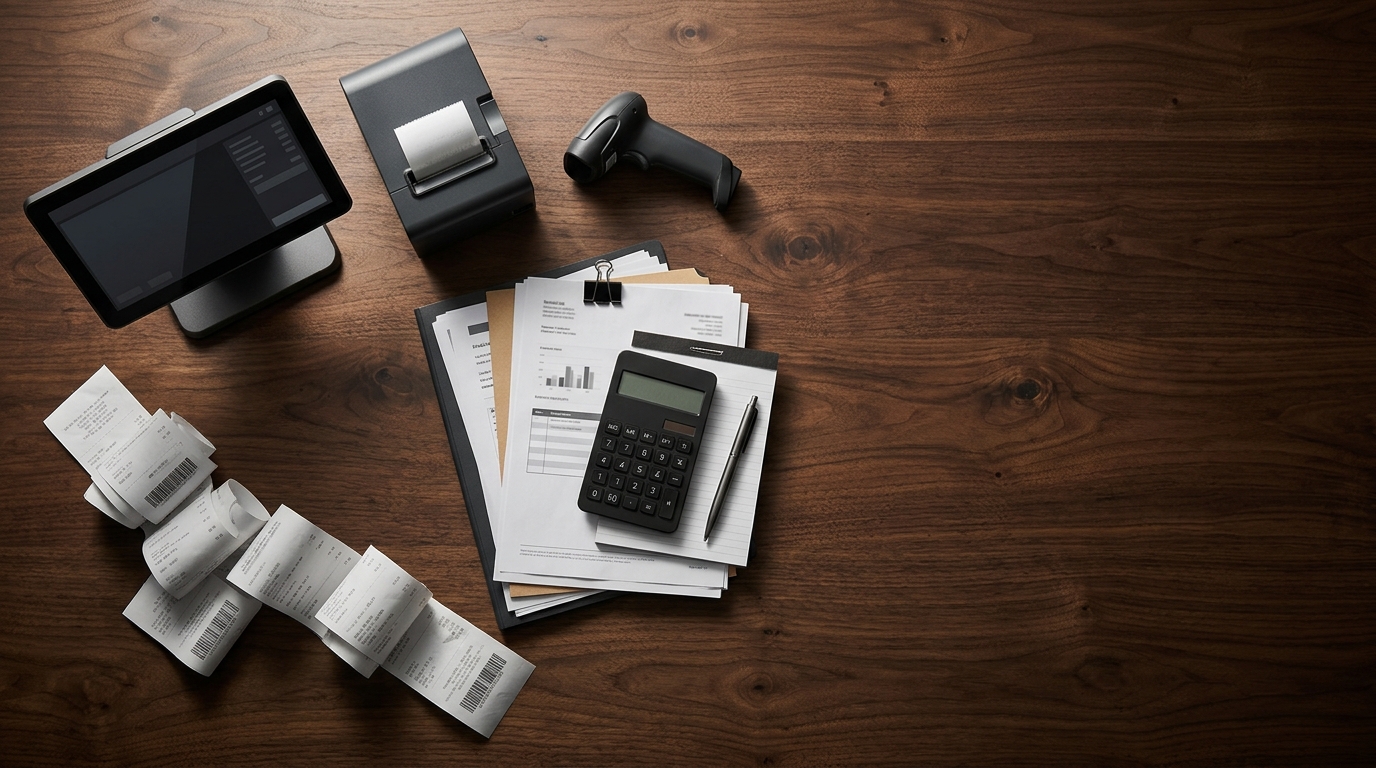
3. Better Transaction Records
Every card transaction automatically creates a digital record.
This helps retailers maintain accurate sales data and reduces manual bookkeeping efforts. Clear transaction records also make it easier to review business performance and identify trends.
4. Improved Security
Managing large amounts of cash can create operational risks.
Cashless payments help reduce cash handling requirements and lower the chances of theft, loss, or accounting errors. Digital payment records also provide greater transparency.
5. Enhanced Customer Experience
Modern shoppers appreciate flexibility.
Offering card payments gives customers the freedom to choose how they want to pay. This convenience contributes to a more positive shopping experience and encourages repeat visits.
How Credit Card Processing Works
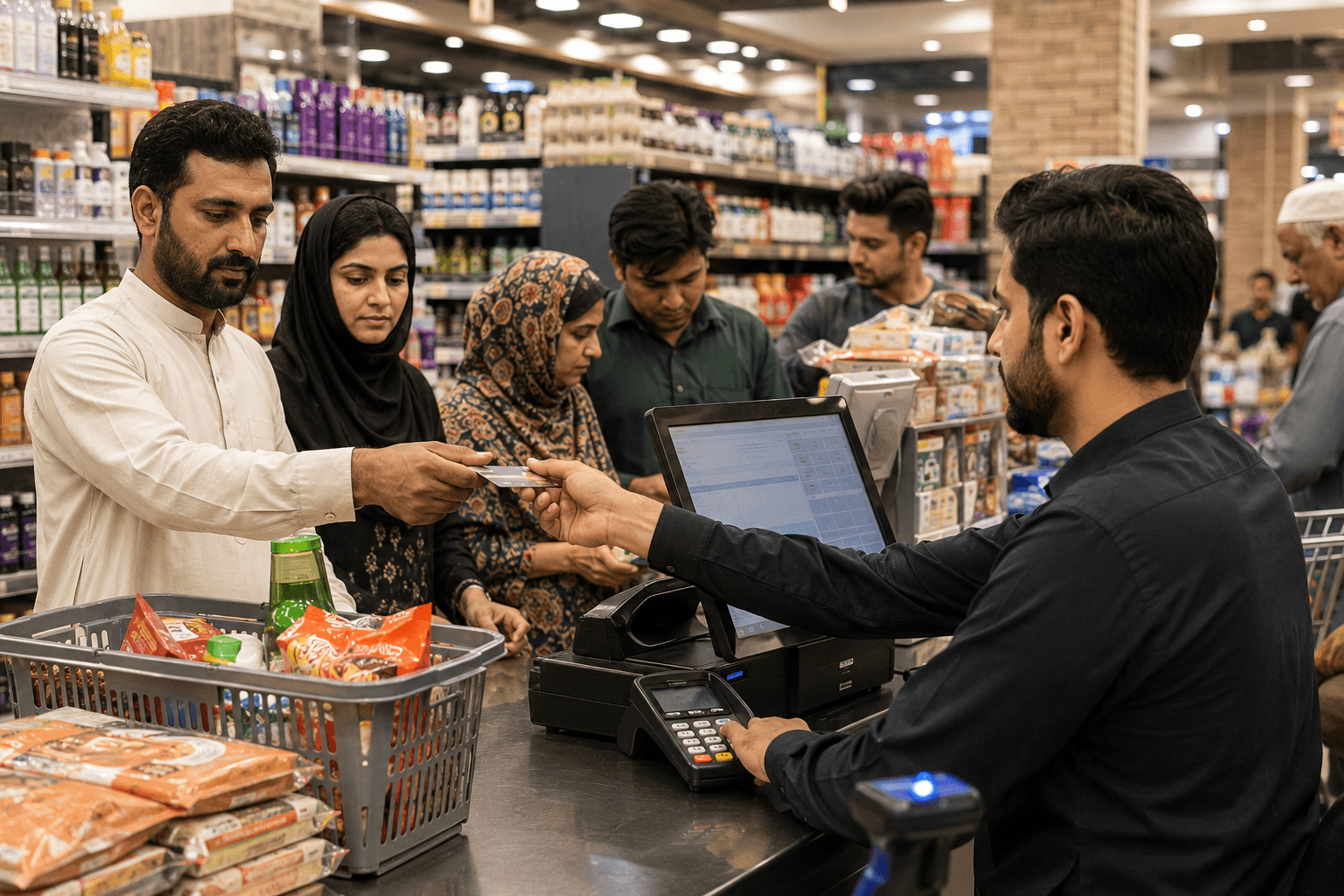
Many retailers hear terms like credit card processing, but may not fully understand how it works.
The process is actually straightforward.
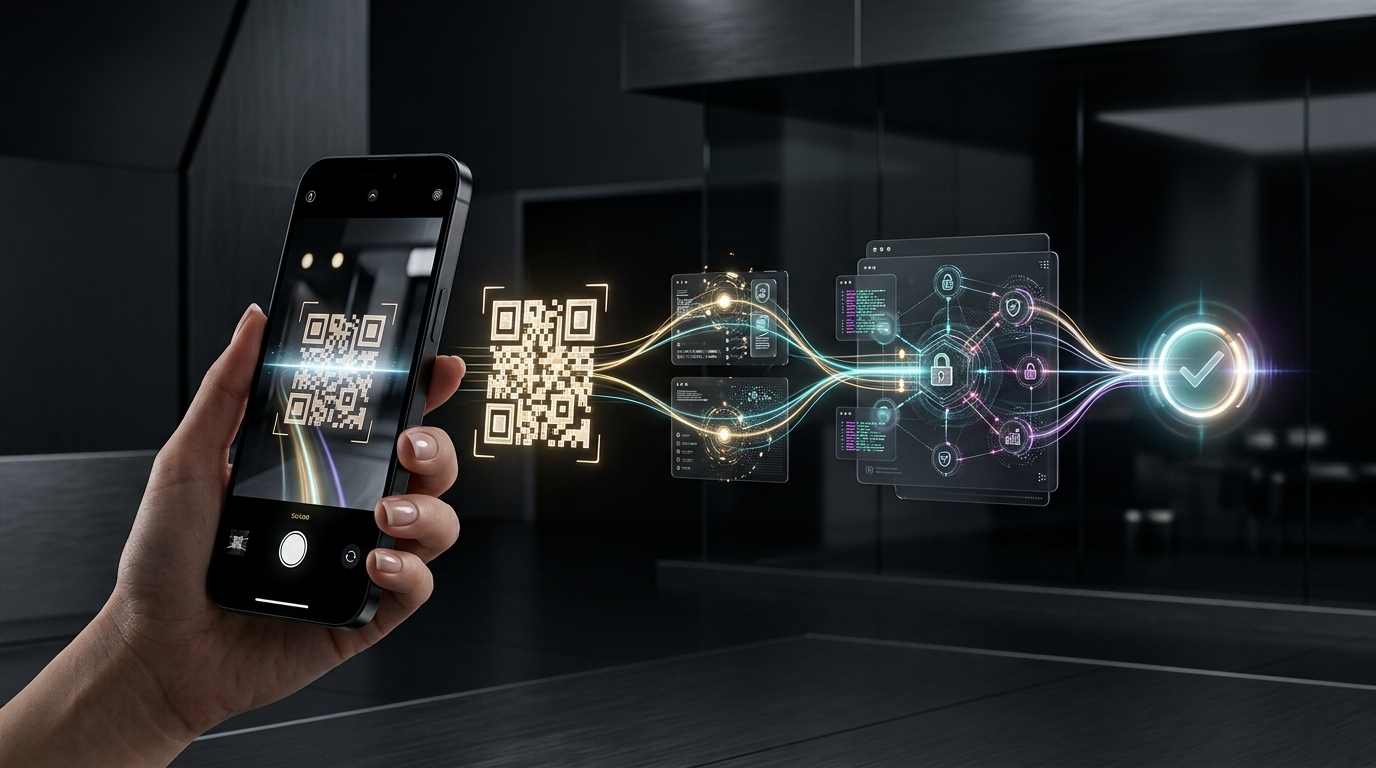
- A customer presents a debit or credit card.
- The card is tapped, inserted, or swiped.
- Payment information is securely transmitted for approval.
- The transaction is authorized.
- The payment is completed.
- The sale is recorded in the retailer's system.
Modern payment systems complete this process within seconds, creating a seamless experience for both customers and staff.
The Role of POS Systems in Digital Payments
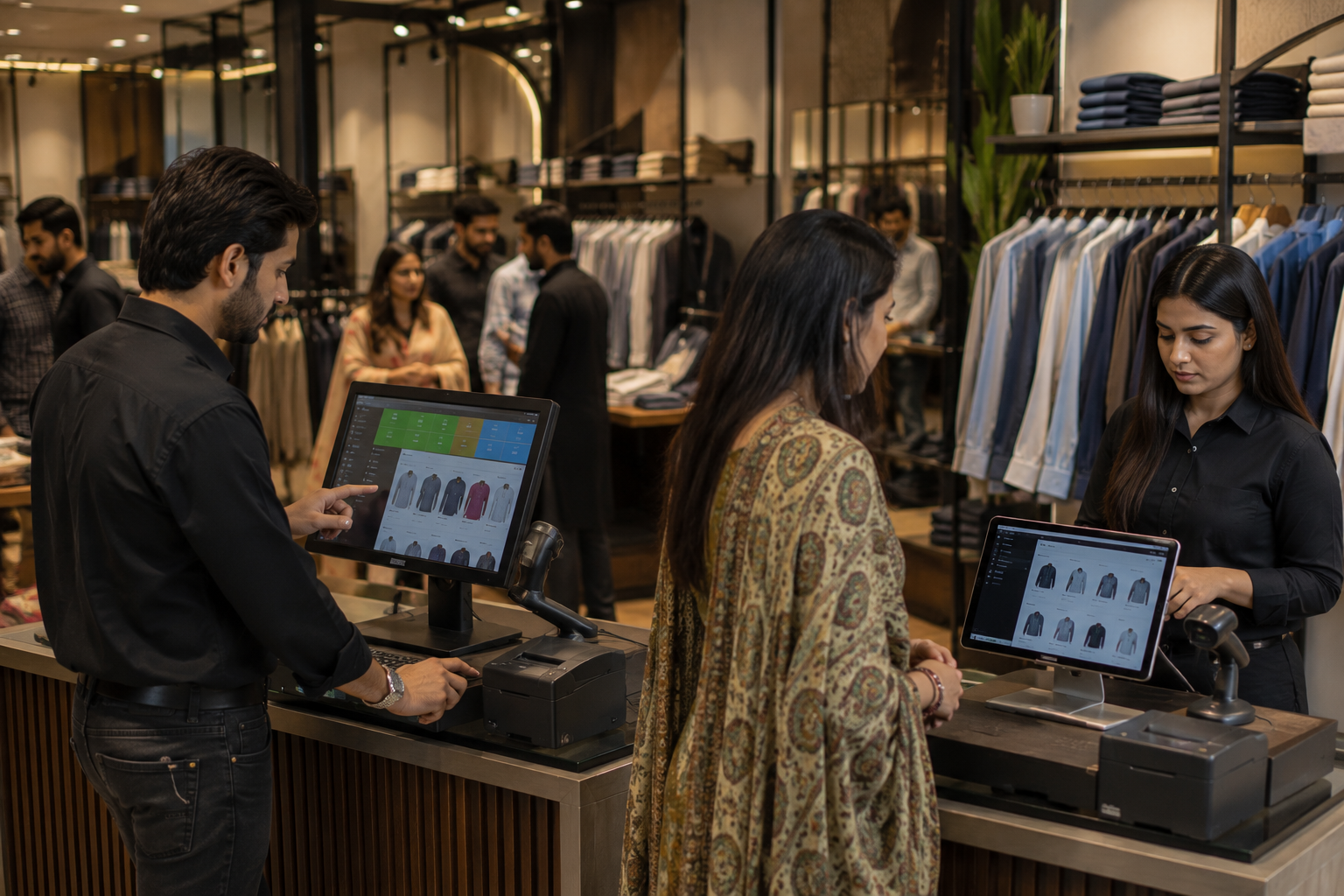
Accepting card payments becomes even more powerful when payment processing is integrated with a modern POS system.
Instead of managing separate systems for sales, inventory, and reporting, retailers can operate through a single platform.
An integrated POS system can:
- Record every sale automatically
- Update inventory levels in real time
- Generate sales reports
- Track product performance
- Monitor business trends
- Reduce manual work
This integration allows retailers to gain better visibility into their operations while improving efficiency.
How Oscar POS Supports Modern Retail Businesses
As digital transactions become more common, retailers need tools that can keep up with changing customer expectations.
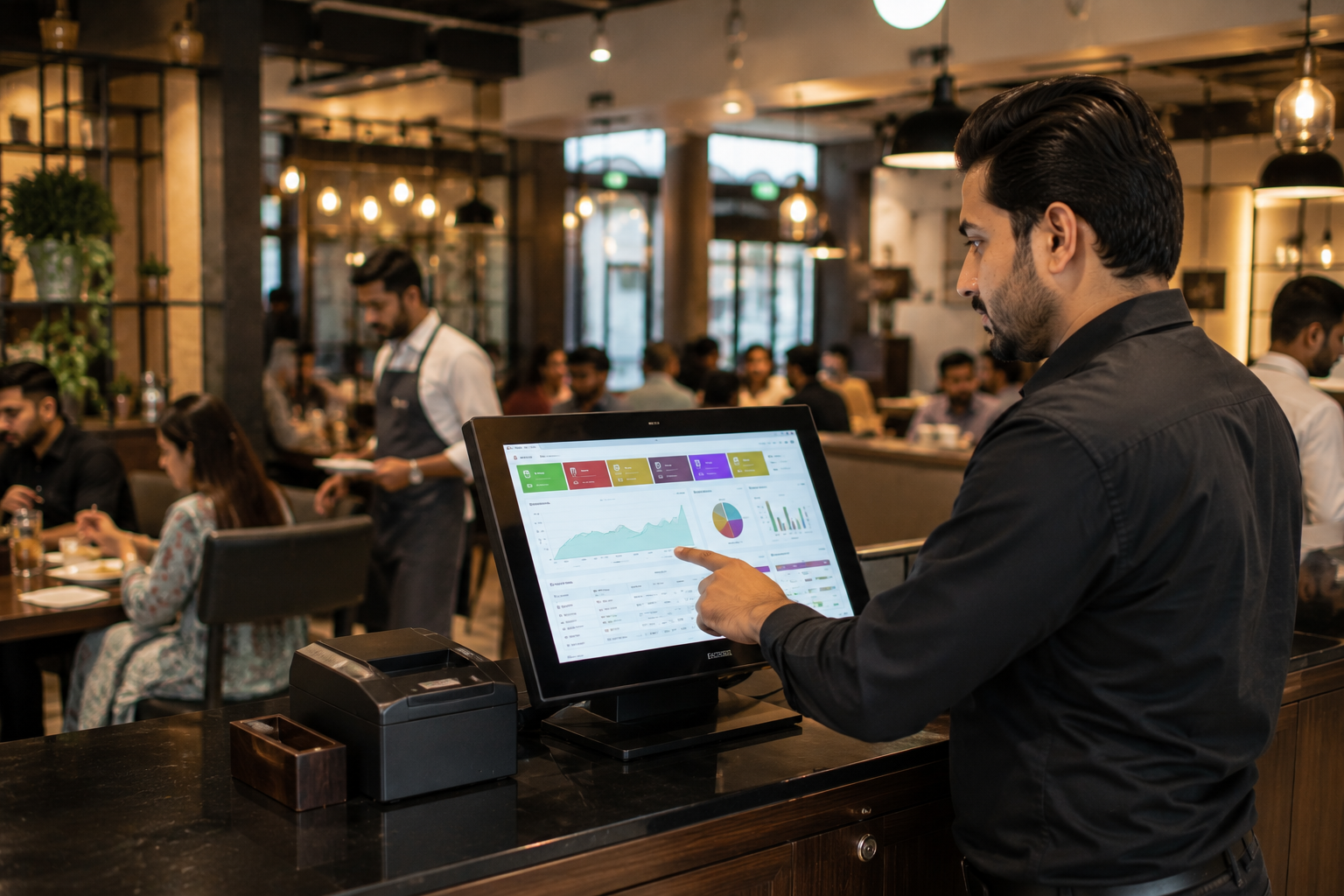
Oscar POS helps businesses streamline retail operations by combining sales management, inventory tracking, reporting, and business insights within a single platform.
When paired with modern payment workflows, Oscar enables retailers to:
- Manage transactions efficiently
- Monitor inventory in real time
- Access detailed sales reports
- Improve operational visibility
- Support business growth with data-driven decisions
Instead of relying on disconnected systems, businesses can manage their retail operations through one centralized solution.
Challenges Retailers Should Consider
While the benefits of card payments are significant, retailers should also understand potential challenges.
1. Transaction Fees
Payment processing services may charge fees for card transactions. Retailers should evaluate these costs against the benefits of increased sales and customer convenience.
2. Internet Connectivity
Digital payment systems typically require stable internet access. Reliable connectivity is important for ensuring smooth transactions.
3. Staff Training
Employees should be trained to handle payment devices and assist customers during transactions.
Fortunately, most modern systems are user-friendly and require minimal training.
The Future of Cashless Payments in Pakistan
Pakistan's retail sector is moving steadily toward greater digital adoption.
Several trends are likely to shape the future of retail payments:
1. Contactless Payments
Tap to pay technology is becoming increasingly popular due to its speed and convenience.
2. Mobile Payments and Digital Wallets
Consumers are embracing smartphone-based payment options that simplify everyday transactions.
3. Integrated Retail Technology
Retailers are increasingly seeking solutions that combine payment acceptance, inventory management, analytics, and reporting.
4. Greater Customer Expectations
As consumers become more accustomed to digital experiences, businesses that offer flexible payment options will likely gain a competitive advantage.
Why Retailers Should Prepare Now
The shift toward card payments and digital transactions is not a temporary trend.
Consumer expectations are evolving, and businesses that adapt early are often better positioned for long-term success.
Accepting card payments can help retailers improve customer experiences, increase sales opportunities, reduce operational inefficiencies, and build stronger relationships with modern consumers.
Combined with a powerful POS system, digital payment acceptance can become an important part of a retailer's growth strategy.
Conclusion
Card payments are reshaping retail in Pakistan by making transactions faster, more secure, and more convenient for both businesses and customers.
As digital transactions continue to grow, retailers that embrace cashless payments can improve customer satisfaction, streamline operations, and stay competitive in an increasingly modern marketplace.
Businesses looking to take advantage of this shift should also consider how their payment processes connect with the rest of their operations. A modern solution like Oscar POS helps retailers manage sales, inventory, reporting, and business performance from a single platform, making it easier to adapt to the future of retail.
For retailers exploring ways to modernize their operations, seeing a POS system in action is often the best place to start. Before committing, try an Oscar POS demo and experience how smarter retail management can support business growth.
Frequently Asked Questions
1. Are card payments becoming more popular in Pakistan?
Yes. The adoption of card payments, digital banking, and electronic transactions has increased significantly as consumers seek more convenient and secure payment options.
2. Why should retailers accept credit card payments?
Accepting credit card payments can improve customer convenience, reduce lost sales opportunities, increase transaction values, and enhance overall customer experience.
3. What is credit card processing?
Credit card processing is the system that securely authorizes and completes card transactions between customers, retailers, banks, and payment providers.
4. Are card payments safer than cash?
Card payments generally reduce the risks associated with carrying, storing, and handling cash. Digital records also improve transaction transparency.
5. Can small businesses benefit from cashless payments?
Absolutely. Small businesses can improve customer satisfaction, streamline operations, and potentially increase sales by offering cashless payment options.
6. How do card payments work with POS systems?
Integrated POS systems automatically record transactions, update inventory, generate reports, and provide business insights whenever a card payment is completed.
7. What are digital transactions?
Digital transactions refer to payments made electronically through cards, mobile wallets, online banking, or other electronic payment methods.
8. What is the future of retail payments in Pakistan?
The future is expected to include greater adoption of contactless payments, digital wallets, integrated POS solutions, and other cashless payment technologies that enhance convenience and efficiency.