How Google Pay Works for Businesses: A Complete Guide to Mobile Wallet Payments
May 20, 2026
.Blog
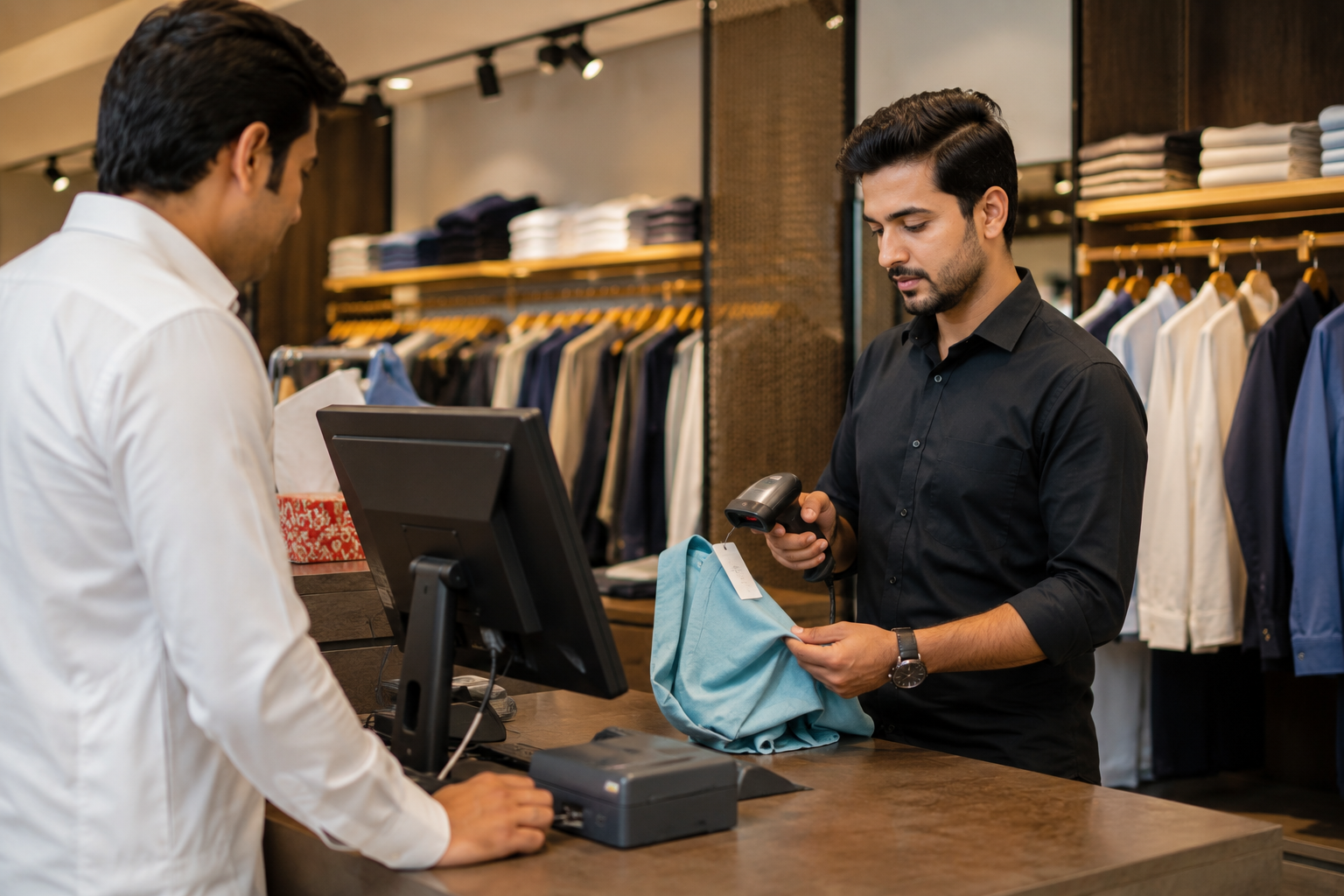
Businesses today are under increasing pressure to offer faster, safer, and more convenient payment experiences. Customers no longer want to wait in long checkout lines, carry cash everywhere, or manually enter card details for every transaction. This shift has pushed digital wallet payments into the mainstream, changing how modern businesses accept and process payments.
Among the most recognized mobile payment solutions is Google Pay. From retail stores and restaurants to ecommerce brands and service businesses, companies are exploring how Google payment systems fit into the future of commerce.
Understanding how Google Pay works for businesses is no longer just useful for large retailers. Small businesses, startups, cafes, clothing stores, pharmacies, and ecommerce sellers are all moving toward contactless payments and QR checkout systems to improve customer experience and streamline operations.
This guide explains how Google Pay works, how businesses can accept mobile wallet payments, what infrastructure is required, and why digital wallet payments are becoming essential for modern businesses.
What Is Google Pay?
Google Pay is a digital wallet and mobile payment platform that allows customers to make payments using smartphones, smartwatches, or other compatible devices.
Instead of using physical cards or cash, customers can store debit cards, credit cards, and banking information inside the app and use it for secure transactions online or in physical stores.
Google Pay supports:
- Contactless payments
- Tap to pay transactions
- QR code payments
- Ecommerce checkout
- In app purchases
- Peer-to-peer payments in supported regions
For businesses, Google Pay acts as an additional payment method that helps customers complete transactions quickly and conveniently.
How Google Pay Works for Businesses
When a customer uses Google Pay at a store or online checkout, the transaction happens within seconds through secure payment processing systems.
Here is a simplified breakdown of how the process works:
Step 1: Customer Selects Google Pay
At checkout, the customer chooses Google Pay as the payment method.
This may happen through:
- Tap to pay on an NFC enabled POS terminal
- QR checkout
- Online checkout integration
- Mobile app payment flow
Step 2: Authentication Happens
The customer verifies the payment using:
- Fingerprint
- Face recognition
- Device passcode
This adds an additional layer of payment security.
Step 3: Payment Token Is Generated
Instead of sharing the actual card number, Google Pay creates a secure encrypted token.
This tokenization process helps reduce fraud risks and protects sensitive banking information.
Step 4: Payment Is Processed
The payment processor or payment gateway sends the transaction request to the bank for approval.
Step 5: Business Receives Confirmation
Once approved, the POS system or ecommerce platform confirms the transaction instantly.
The customer completes the purchase without swiping a card or handling cash.
Why Businesses Are Adopting Mobile Wallet Payments
The growth of smartphone usage and digital commerce has made mobile wallet payments one of the fastest growing payment methods globally.
Businesses are adopting Google payment solutions because they improve both operational efficiency and customer experience.
1. Faster Checkout Experience
Traditional cash handling and card swiping can slow down checkout lines.
Contactless payments and tap to pay transactions reduce waiting time significantly, helping businesses process more customers during peak hours.
2. Better Customer Convenience
Customers increasingly expect businesses to support digital wallet payments.
Offering modern payment options creates a smoother checkout experience and improves customer satisfaction.
3. Reduced Cash Handling
Cash management can create operational challenges, including:
- Counting errors
- Theft risks
- Delayed reconciliation
- Manual bookkeeping
Digital transactions simplify daily operations and improve transparency.
4. Improved Hygiene and Contactless Convenience
Since customers can pay directly from their phones, contactless payments reduce physical interaction during checkout.
This became especially important as businesses prioritized touch free customer experiences.
5. Support for Omnichannel Commerce
Businesses that operate both online and offline can integrate wallet payments across:
- Physical stores
- Ecommerce websites
- Delivery apps
- Mobile apps
This creates a consistent payment experience for customers.
What Businesses Need to Accept Google Pay
Many businesses assume accepting mobile payments requires complicated infrastructure. In reality, most modern businesses can adopt digital wallet payments relatively easily.
1. NFC Enabled POS System
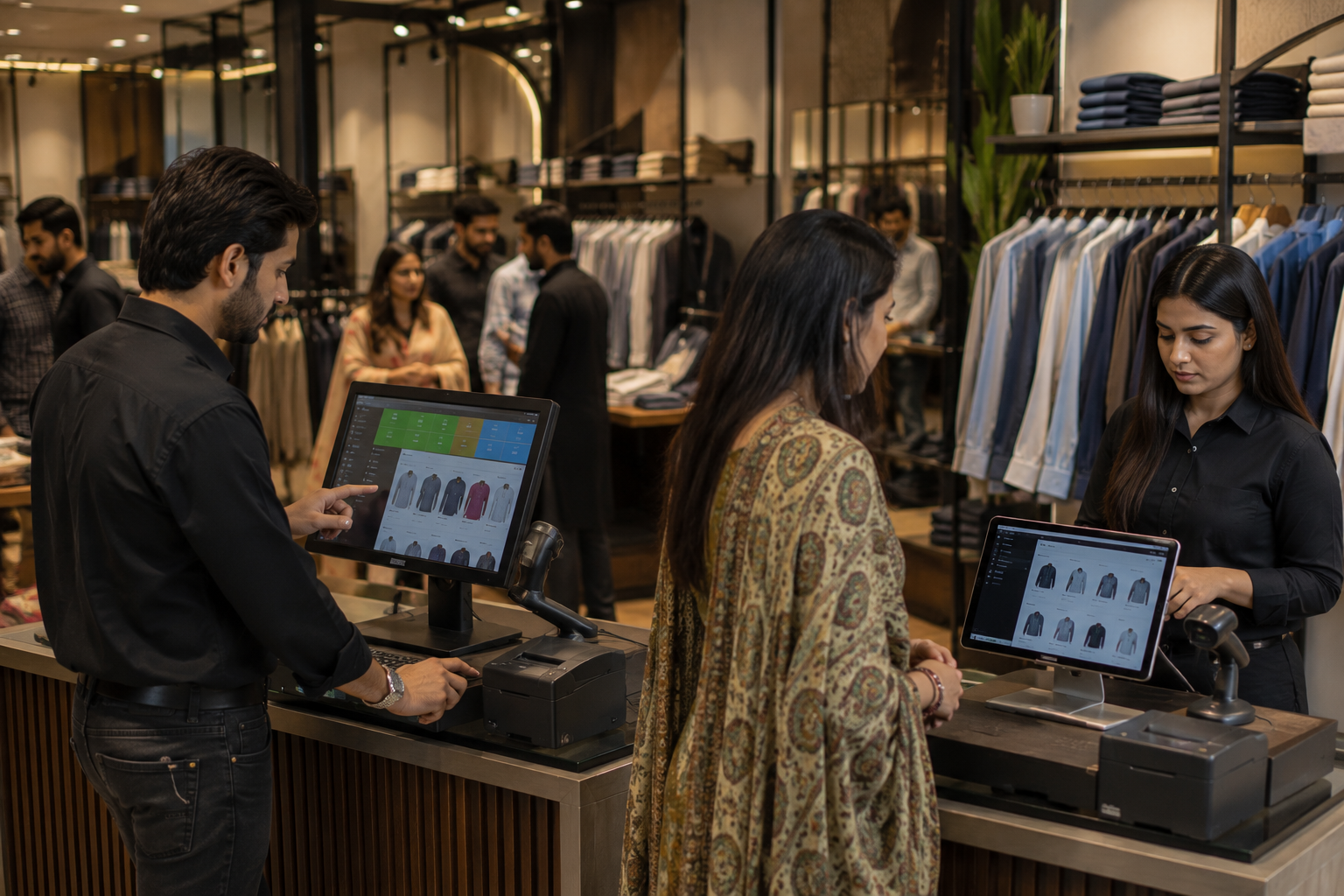
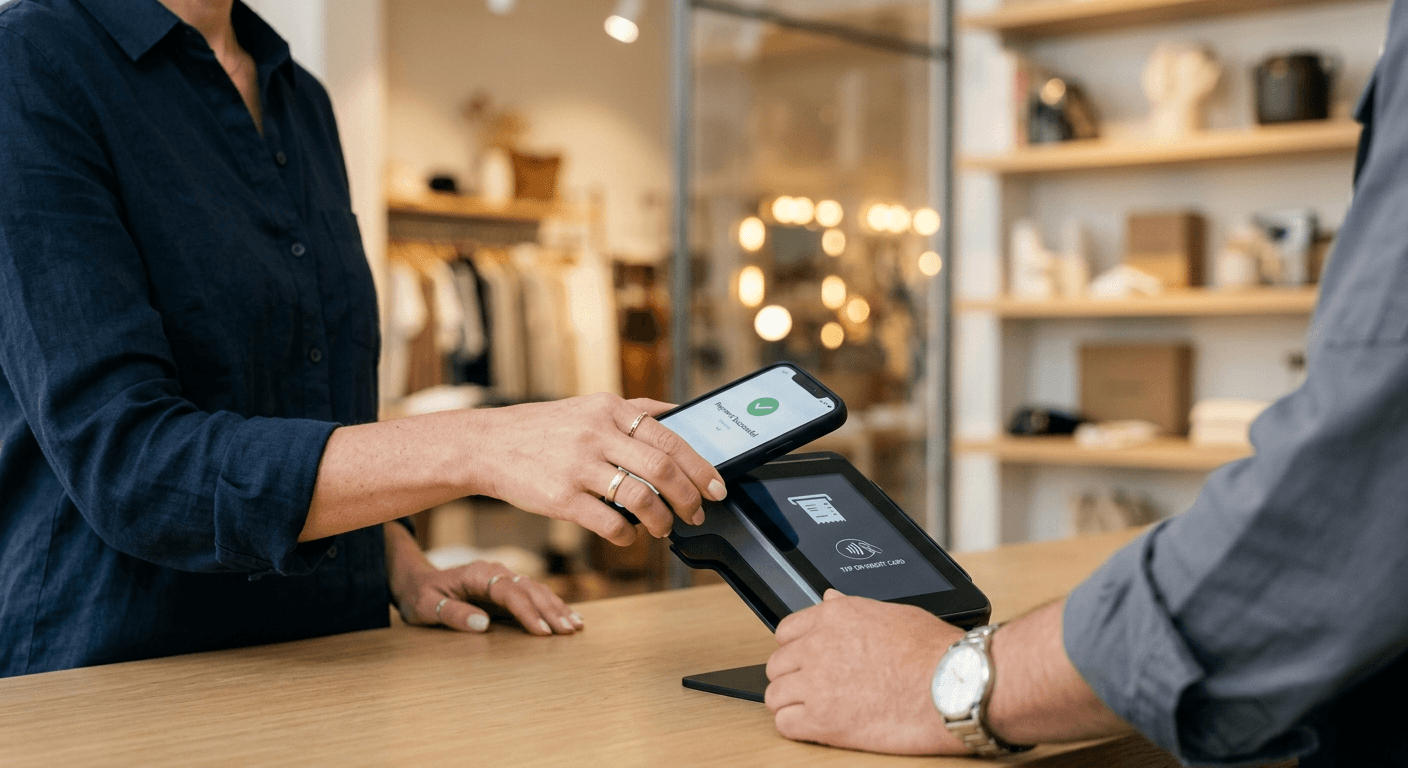
For tap to pay transactions, businesses need a POS terminal that supports NFC technology.
NFC allows smartphones to communicate securely with payment terminals during contactless payments.
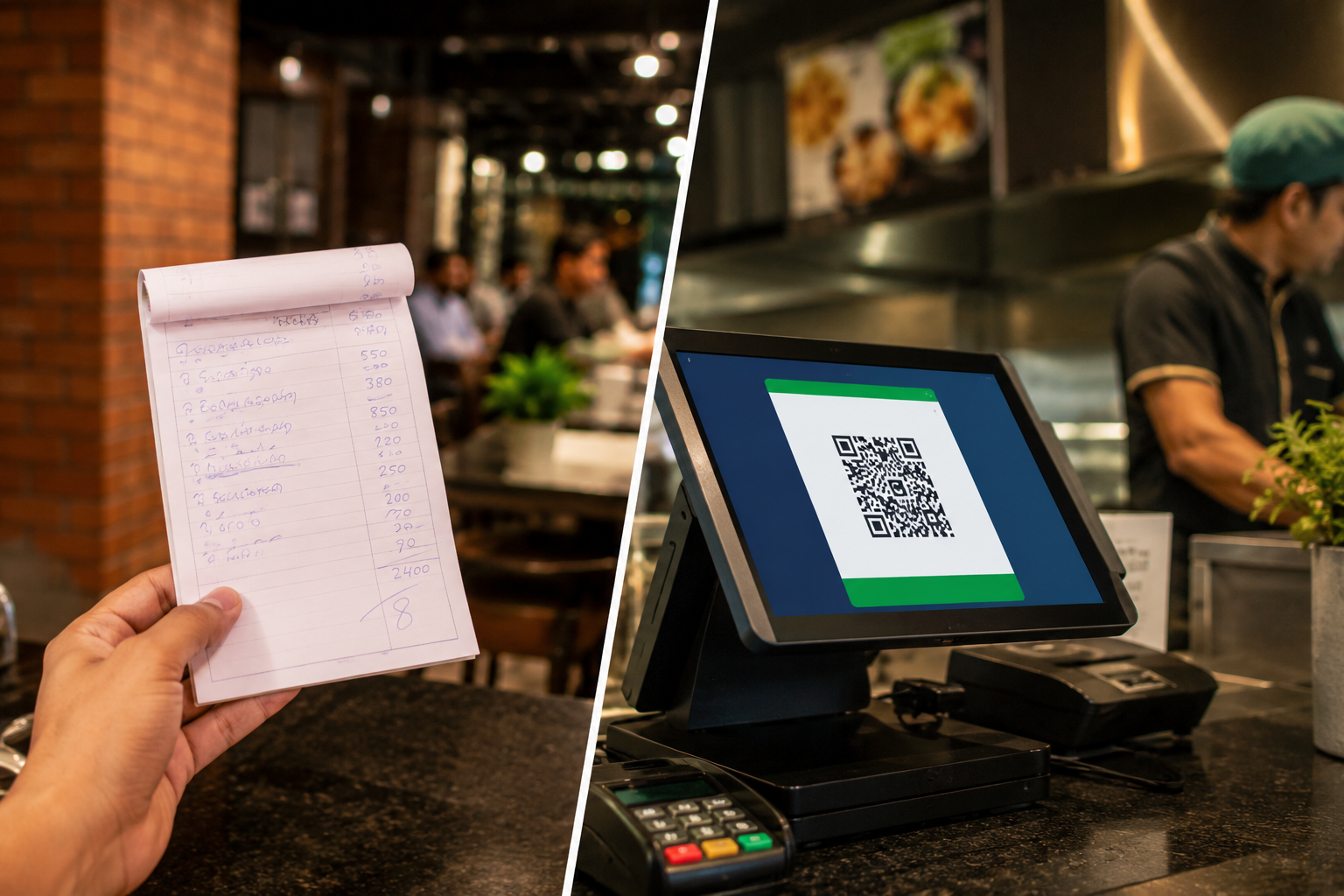
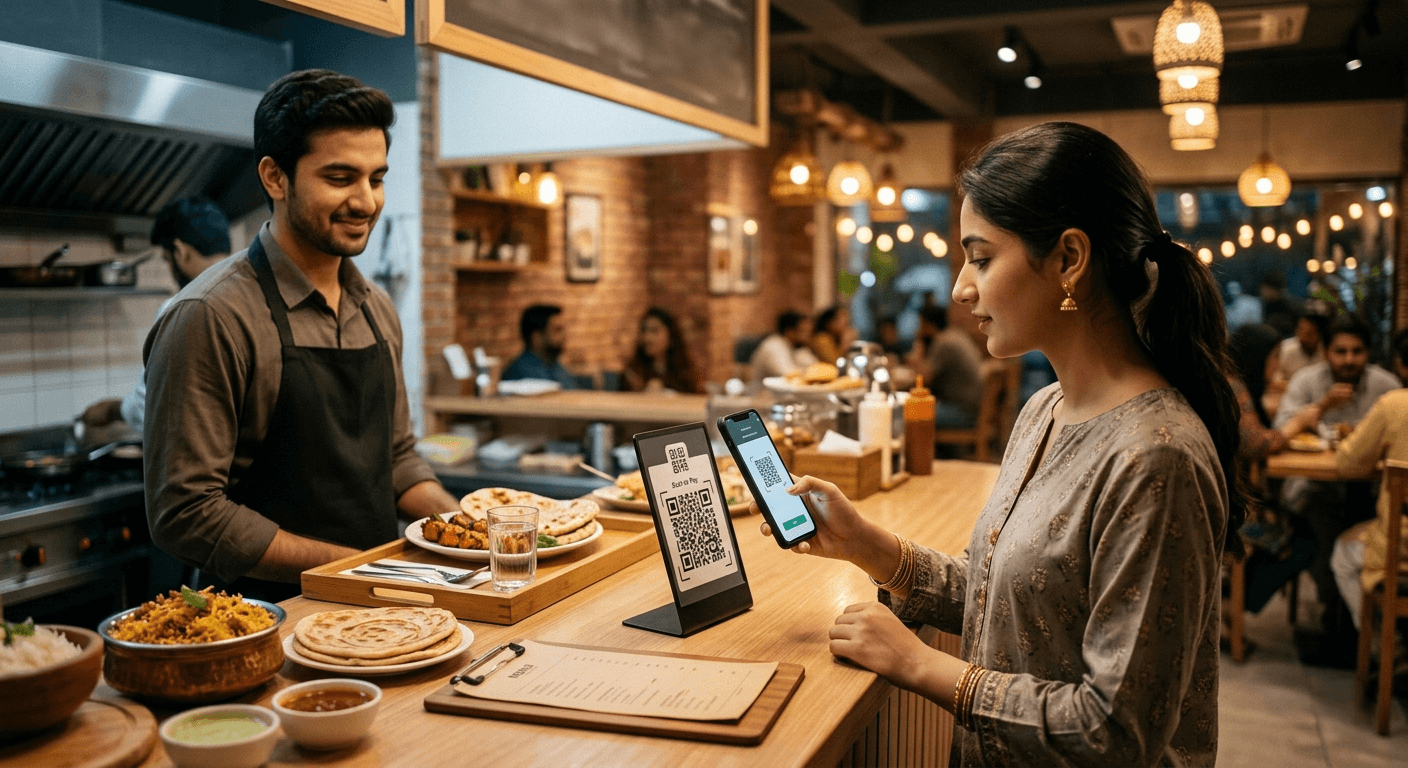
2. QR Checkout Setup
Some businesses use QR code payments instead of NFC terminals.
Customers simply scan a QR code to complete transactions using mobile wallet apps.
QR checkout is especially popular among:
- Restaurants
- Cafes
- Small retailers
- Service businesses
3. Payment Gateway Integration
Online stores need payment gateways that support Google Pay integration.
This allows customers to complete purchases quickly without manually entering card details.
4. Stable Internet Connection
Digital payment systems rely on internet connectivity for transaction verification and authorization.
5. Modern POS Software
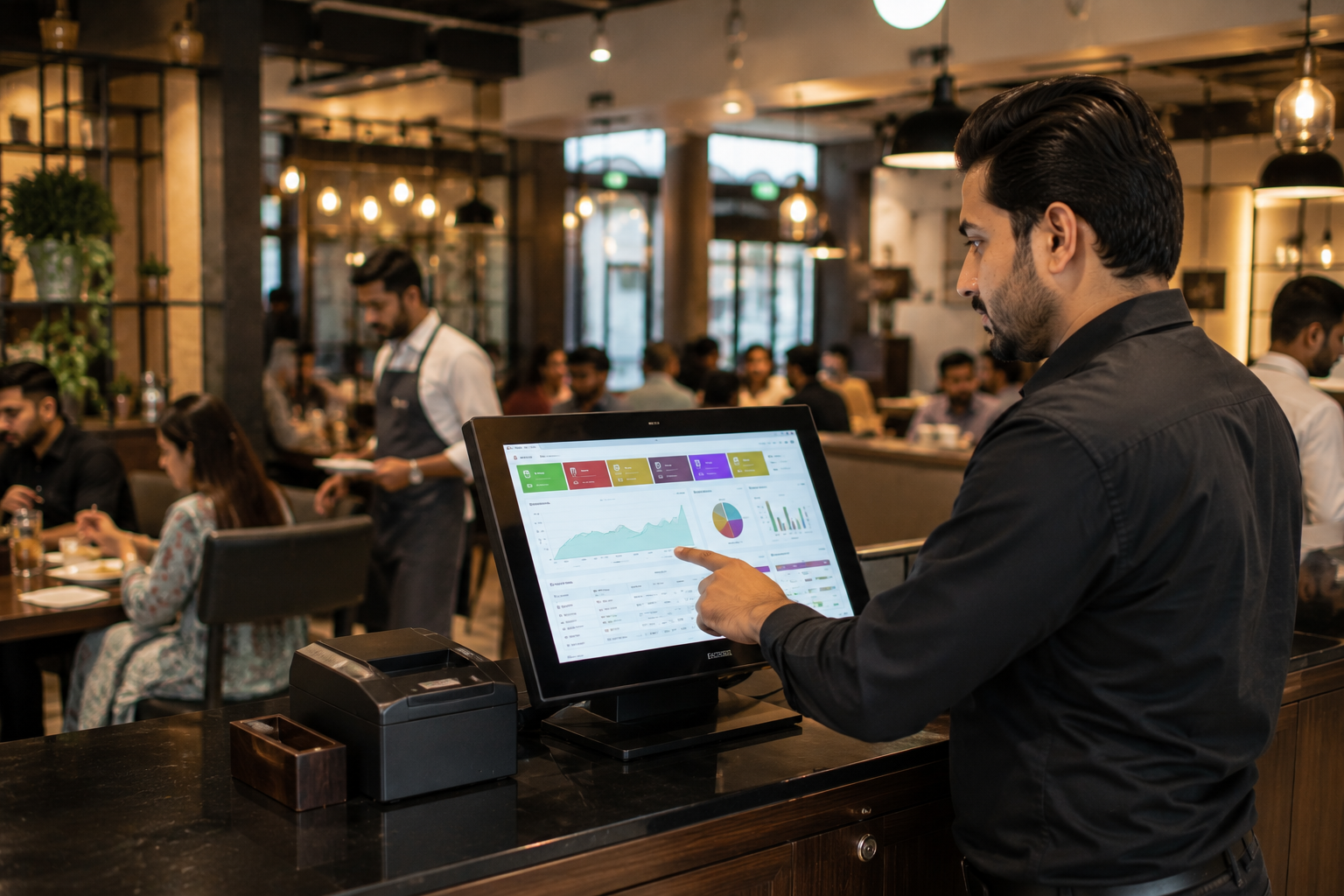
Businesses benefit most when mobile wallet payments integrate directly with inventory management, sales tracking, customer data, and reporting systems.
This is where platforms like Oscar become highly valuable.
How Oscar Helps Businesses Manage Modern Payments
As digital wallet payments continue growing, businesses need more than just payment acceptance. They need systems that connect payments with overall business operations.
Oscar POS helps businesses manage:
- POS operations
- Inventory management
- Sales tracking
- Retail operations
- Ecommerce workflows
- Customer management
For businesses adopting contactless payments and QR checkout systems, Oscar helps create a smoother operational workflow by centralizing transactions and business data in one platform.
Instead of juggling disconnected systems, businesses can manage modern payment experiences alongside inventory, reporting, and store operations more efficiently.
Google Pay for Ecommerce Businesses
Digital wallet payments are becoming increasingly important for ecommerce brands.
Many online shoppers abandon carts when checkout processes become too long or complicated.
Google Pay simplifies online checkout by:
- Reducing form filling
- Saving payment information securely
- Speeding up transactions
- Improving mobile checkout experience
For ecommerce businesses, this can contribute to:
- Better conversion rates
- Reduced cart abandonment
- Faster purchases
- Improved customer trust
Are Digital Wallet Payments Secure?
Security remains one of the biggest concerns for both businesses and consumers.
Fortunately, mobile wallet payments are designed with multiple layers of protection.
1. Tokenization
Google Pay does not expose actual card details during transactions.
Instead, encrypted payment tokens are used to process payments securely.
2. Device Authentication
Customers must verify identity using:
- Biometrics
- Passcodes
- Device security systems
3. Encrypted Transactions
Payment data is encrypted during transmission to reduce fraud risks.
4. Reduced Card Exposure
Since physical cards are not handled during transactions, risks associated with card skimming and manual theft are reduced.
How Contactless Payments Are Changing Retail
Retail businesses are evolving rapidly as customers become more comfortable with digital transactions.
Modern shoppers now expect:
- Faster checkout
- Mobile wallet support
- QR code payments
- Cashless payment options
- Flexible digital payment methods
Businesses that fail to adapt may struggle to meet changing customer expectations.
At the same time, retailers that invest in modern POS systems and digital payment infrastructure position themselves for long-term growth.
The Rise of QR Payments in Pakistan
Pakistan has seen growing adoption of digital payment systems in recent years.
The rise of:
- Ecommerce
- Smartphone usage
- Fintech services
- Digital banking
- Mobile wallets
has accelerated demand for QR checkout and contactless payments.
Small businesses are increasingly exploring cashless payment systems because they:
- Improve transaction convenience
- Reduce dependency on physical cash
- Support faster business operations
- Appeal to younger consumers
As digital commerce expands, businesses that adopt modern payment systems early may gain a competitive advantage.
Common Misconceptions About Google Payment Systems
Only Large Businesses Can Accept Mobile Wallet Payments
Small businesses, cafes, boutiques, and local retailers can also support digital wallet payments using affordable POS systems and QR checkout methods.
Contactless Payments Are Less Secure
Modern mobile wallet payments often provide stronger protection than traditional card transactions because of tokenization and authentication layers.
QR Payments Are Only for Restaurants
QR checkout systems are now used across:
- Retail stores
- Salons
- Pharmacies
- Delivery businesses
- Ecommerce operations
Mobile Wallets Replace Banks
Digital wallets work alongside banking infrastructure rather than replacing banks entirely.
Future of Mobile Wallet Payments
The future of commerce is becoming increasingly mobile-first.
Businesses are moving toward:
- Unified commerce systems
- Contactless payment ecosystems
- Wallet-based checkout
- Omnichannel retail
- Integrated POS infrastructure
As customers continue prioritizing convenience and speed, mobile wallet payments will likely become a standard expectation rather than an optional feature.
Businesses that modernize early may improve operational efficiency, customer experience, and long-term competitiveness.
Final Thoughts
Google payment systems are helping reshape how businesses accept and process transactions. From tap to pay functionality to QR checkout and digital wallet payments, businesses now have more ways to offer seamless customer experiences.
For modern businesses, accepting contactless payments is no longer just about convenience. It is about adapting to changing customer behavior, improving checkout efficiency, and preparing for the future of digital commerce.
Businesses that combine modern payment methods with strong operational systems can create smoother workflows and better customer experiences across both online and offline channels.
For companies looking to simplify retail operations while supporting modern payment experiences, platforms like Oscar POS help bring together inventory management, sales tracking, and POS functionality into one streamlined system.
Businesses exploring digital transformation can start by seeing how a modern POS platform fits into their operations before fully committing. Trying an Oscar POS demo is a practical way to understand how modern retail management and mobile payment readiness can work together in real business environments.
FAQs
1. How do businesses accept Google Pay?
Businesses can accept Google Pay using NFC-enabled POS terminals, QR checkout systems, or ecommerce payment gateway integrations that support digital wallet payments.
2. What is the difference between tap to pay and QR checkout?
Tap to pay uses NFC technology where customers tap their phones on payment terminals. QR checkout requires customers to scan a QR code using a mobile wallet app.
3. Are contactless payments secure?
Yes. Contactless payments use encryption, tokenization, and biometric authentication to help protect customer payment information.
4. Can small businesses use mobile wallet payments?
Yes. Small businesses can adopt QR payments or modern POS systems that support digital wallet payments without requiring complex infrastructure.
5. Does Google Pay work for ecommerce stores?
Yes. Ecommerce businesses can integrate Google Pay into online checkout systems to offer faster and more convenient payment experiences.
6. What hardware is needed for contactless payments?
Businesses usually need an NFC enabled POS terminal or a QR code payment setup depending on the payment method they want to support.
7. Why are businesses moving toward cashless payments?
Cashless payments improve checkout speed, reduce cash handling issues, simplify reporting, and provide a more convenient customer experience.
8. Can POS systems support digital wallet payments?
Yes. Modern POS systems can integrate with mobile wallet payments, contactless transactions, and QR checkout systems.
9. How do QR payments help businesses?
QR payments reduce hardware dependency, simplify checkout, and make digital payments more accessible for both businesses and customers.
10. How can businesses prepare for the future of digital payments?
Businesses can invest in modern POS systems, support multiple payment methods, improve checkout experiences, and adopt digital payment infrastructure that aligns with evolving customer expectations.