POS Credit Card Processing in Pakistan: How It Works + 5 Simple Steps
May 22, 2026
.Blog
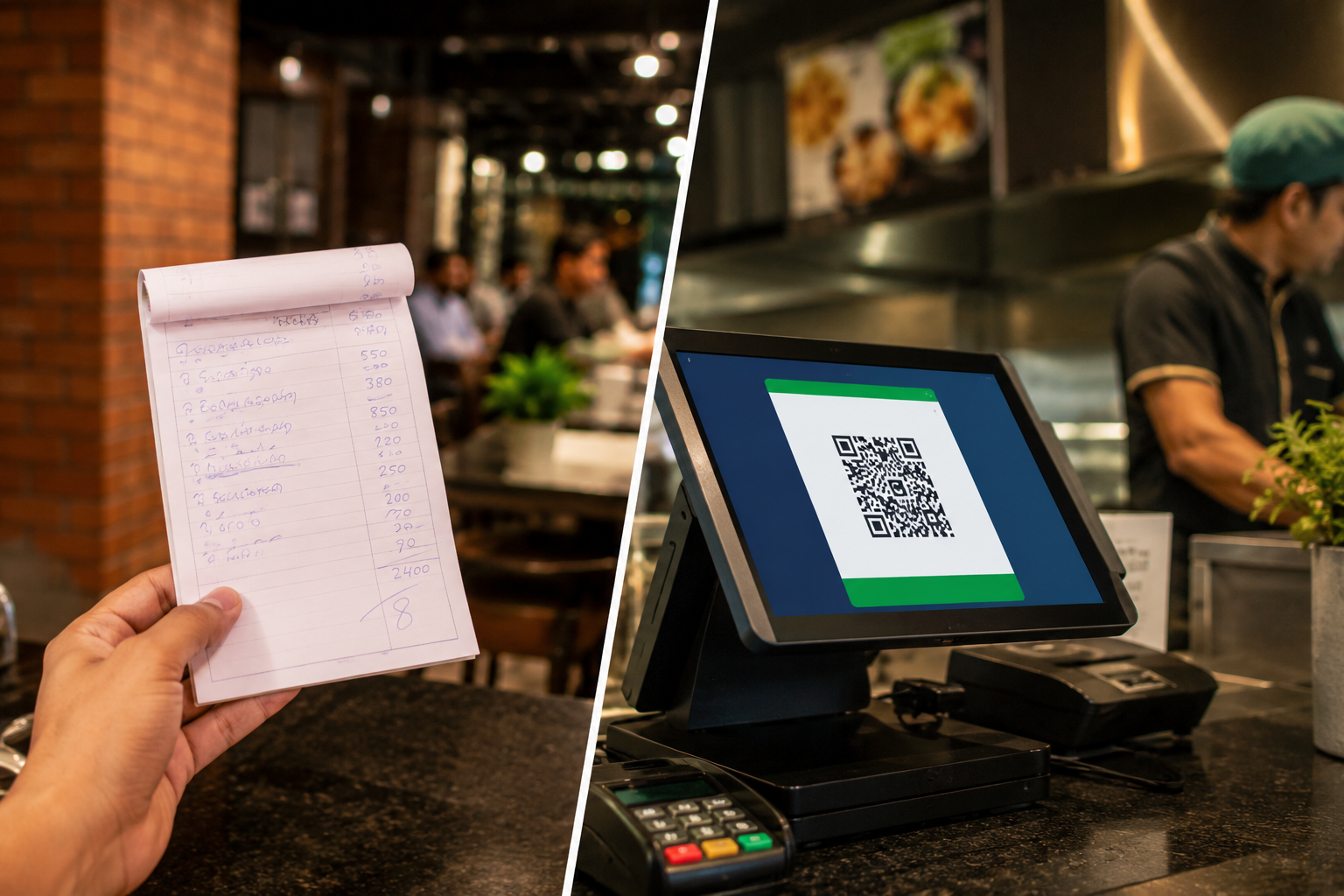
Accepting card payments is no longer optional for businesses in Pakistan. Whether it’s retail stores, pharmacies, restaurants, or growing eCommerce brands, customers expect fast, secure, and flexible payment options—from debit and credit cards to mobile wallets.
But many businesses still struggle with one core question:
How does POS credit card processing actually work, and how can you set it up the right way?
This guide breaks it down clearly—from transaction flow to setup, costs, and compliance, so businesses can start accepting payments without confusion or risk.
What Is POS in Credit Card Processing?
A POS (Point of Sale) system is the combination of hardware and software that allows businesses to accept and process payments.
In credit card processing, POS refers to the system that:
- Captures card details (tap, swipe, or insert)
- Sends the transaction for authorization
- Confirms payment approval or decline
- Records and reports the transaction
In simple terms, POS is the bridge between your customer, their bank, and your business account.
How POS Credit Card Processing Works (Step-by-Step)
Every time a customer pays using a card, a structured process happens in seconds.
Step 1: Card is Presented
The customer taps, inserts, or swipes their card on a POS machine.
Step 2: Payment Data is Captured
The POS system reads card details and encrypts the data for security.
Step 3: Authorization Request
The transaction is sent to the acquiring bank, which forwards it to card networks like Visa or Mastercard, and then to the issuing bank.
Step 4: Approval or Decline
The issuing bank checks funds, fraud signals, and limits before approving or declining the transaction.
Step 5: Settlement
Approved payments are settled into the merchant’s account—usually within 1–3 business days in Pakistan.
This entire POS payment processing flow happens in seconds but involves multiple entities working together.
How to Accept Credit Card Payments in Pakistan
To start accepting card payments, businesses need a combination of infrastructure, banking, and compliance.
1. Get a POS Machine from a Bank
Major banks in Pakistan offer POS terminals, including:
- HBL
- UBL
- Meezan Bank
- Bank Alfalah
These banks act as acquiring partners for card payments.
2. Enable Digital Payment Methods
Modern businesses don’t rely only on cards. They also integrate:
- JazzCash
- Easypaisa
- Raast
This expands your ability to accept mobile and QR-based payments.
3. Use an Integrated POS System
Instead of relying on standalone machines, businesses are shifting to integrated POS systems that combine:
- Payment processing
- Inventory management
- Sales reporting
- Customer data
This is where solutions like Oscar become critical—offering an all-in-one POS system that connects payments, operations, and compliance.
4. Ensure Tax Compliance
Businesses in Pakistan must comply with:
- FBR POS integration requirements
A compliant POS system ensures real-time invoice reporting and avoids penalties.
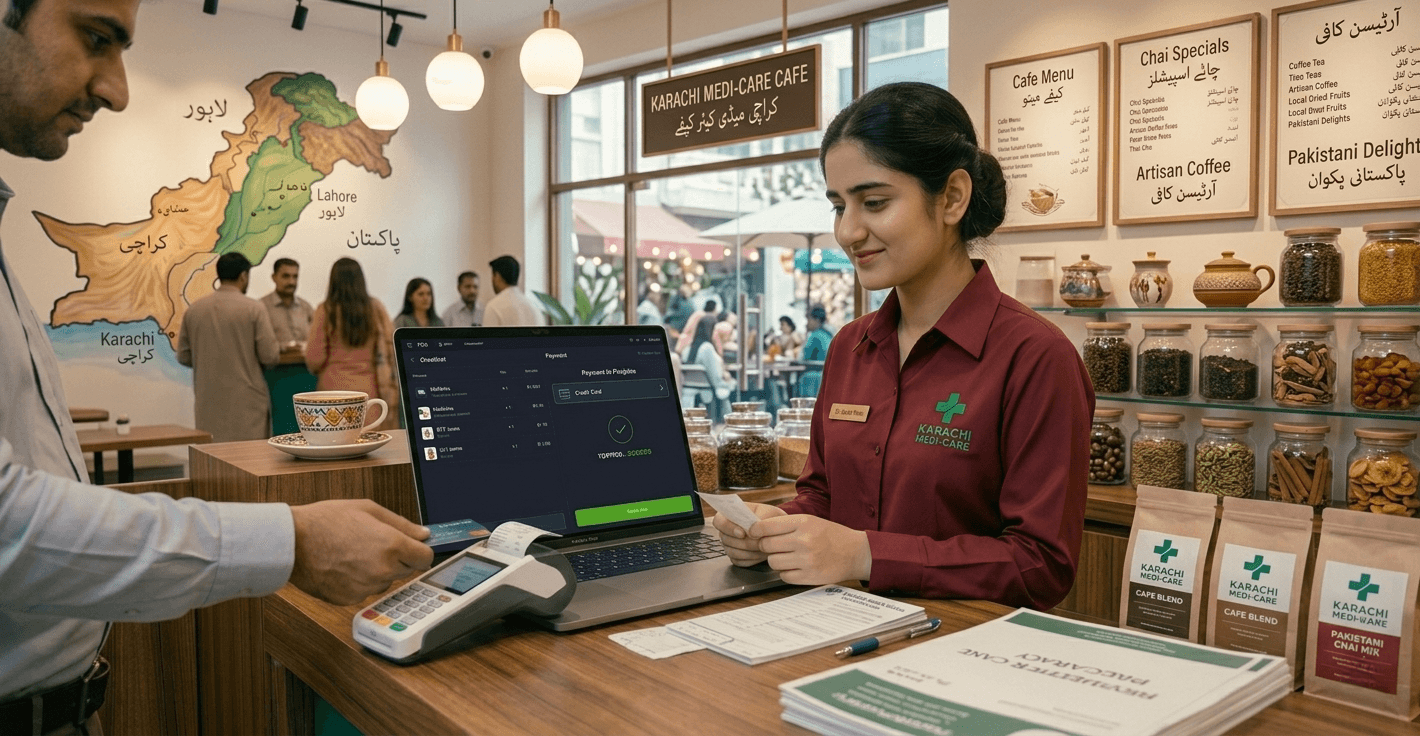
Types of POS Systems for Card Payments
1. Standalone POS Machines
Basic card terminals used for simple transactions.
2. Mobile POS Systems
Smartphone-based systems for accepting payments anywhere.
3. Integrated POS Systems (Recommended)
Advanced systems like Oscar that combine:
- Card processing
- Wallet integration
- Inventory
- Reporting
- FBR compliance
These systems reduce operational gaps and scale with business growth.
Cost of POS Machines & Transaction Fees in Pakistan
Understanding cost is critical before choosing a POS solution.
1. POS Machine Cost
- Initial setup: varies by bank
- Monthly rental: common in Pakistan
- Some providers offer subsidized or free devices
2. Transaction Charges (MDR)
- Typically ranges between 1.5% to 3%
- Depends on bank, volume, and agreement
3. Settlement Time
- Usually 1–3 working days
- Some providers offer faster settlements
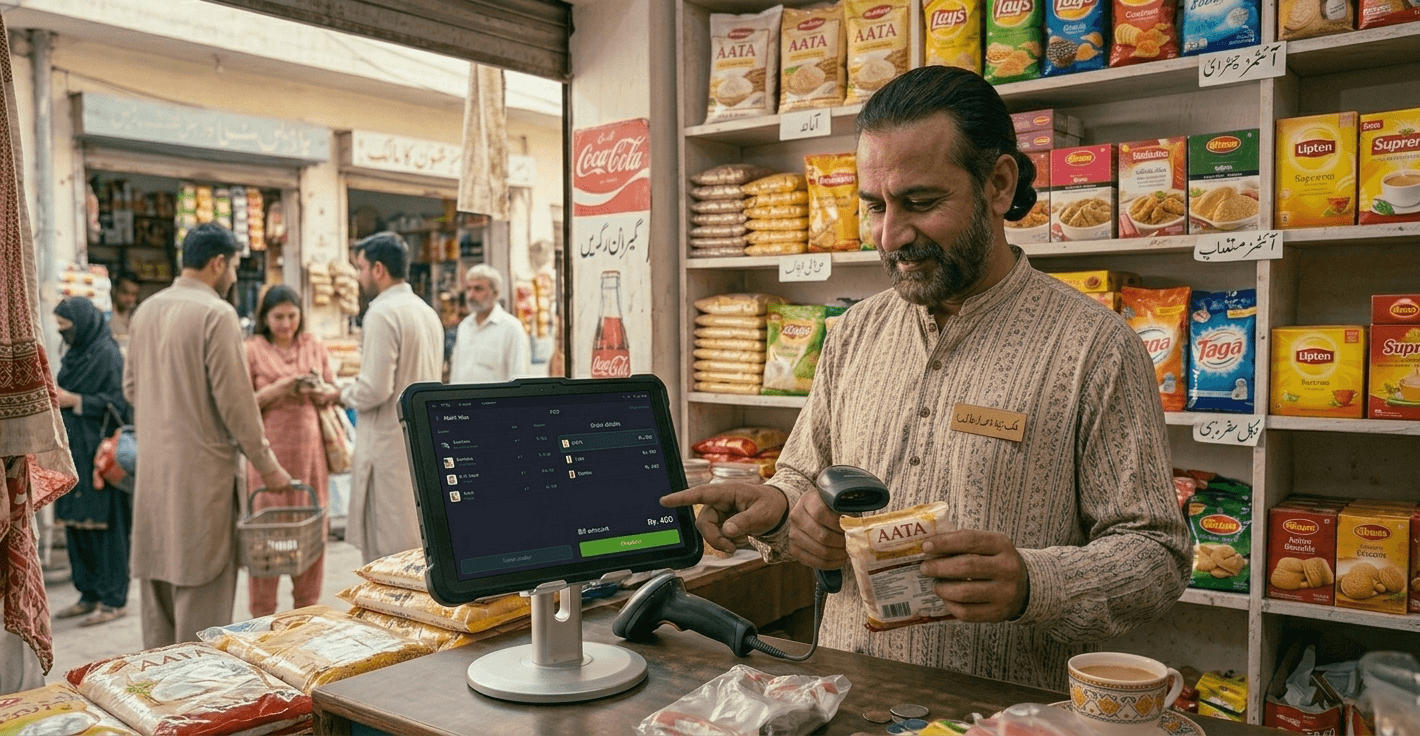
How Small Businesses Can Accept Card Payments Easily
Small businesses often assume card processing is complex or expensive. That’s outdated.
Today, businesses can:
- Start with a POS machine from a bank
- Integrate wallets like JazzCash and Easypaisa
- Use a cloud-based POS system for operations
The easiest way is to adopt an integrated solution like Oscar, which removes the need to manage multiple systems separately.
This is especially useful for:
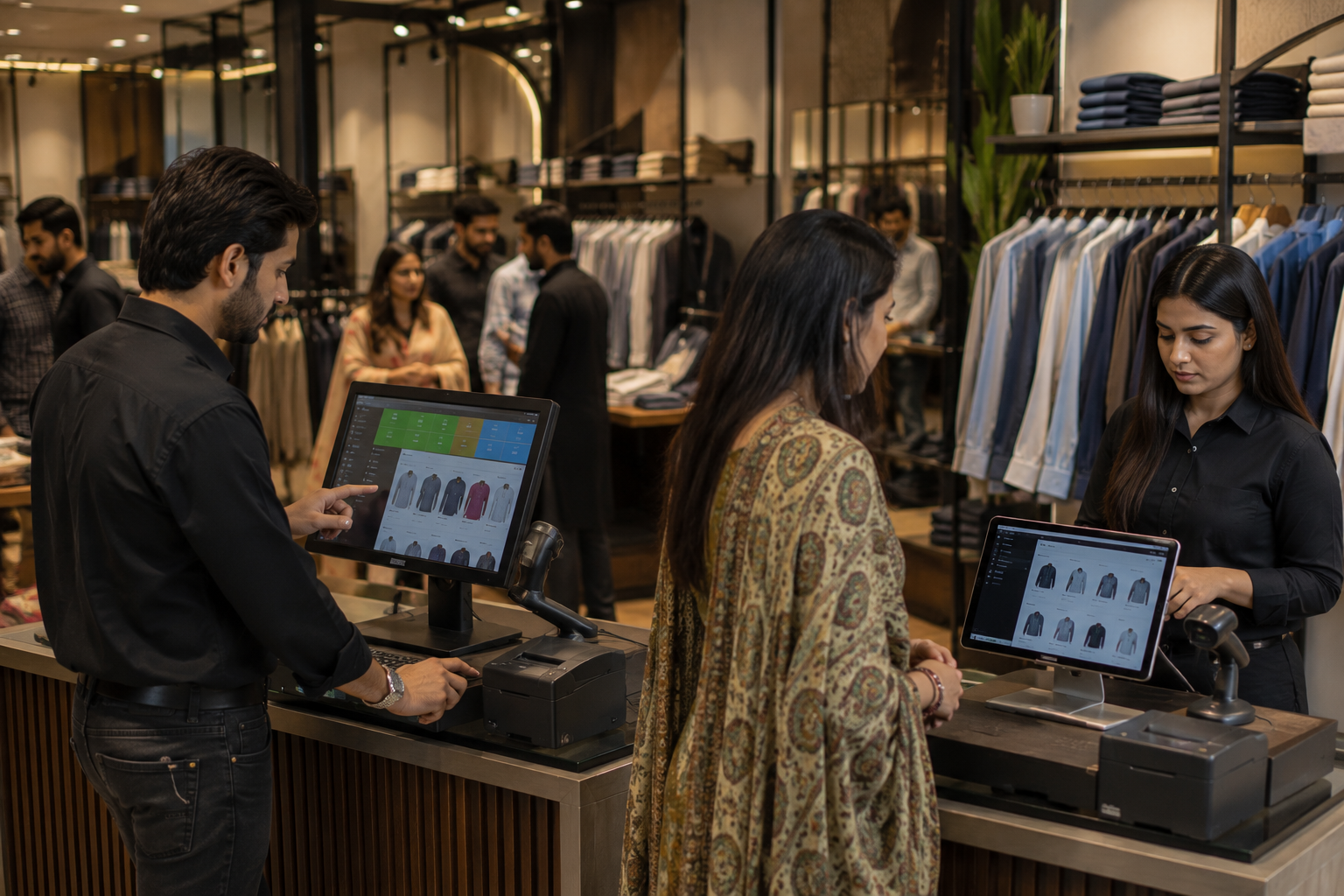
- Retail shops
- Pharmacies
- Restaurants
- Service-based businesses
Online + In-Store Payment Integration
Modern businesses don’t operate in one channel.
They need:
- In-store POS payments
- Online payment processing
- Unified reporting
A connected system allows:
- Same inventory across channels
- Centralized reporting
- Better customer tracking
This is known as omnichannel payment integration, and it’s becoming standard in Pakistan.
Security & Compliance in POS Payment Processing
Security is not optional when handling card payments.
A reliable POS system should provide:
- Data encryption
- Secure authentication
- Fraud detection protocols
- PCI-DSS compliance readiness
Additionally, compliance with FBR ensures:
- Legal operation
- Transparent transactions
- Audit readiness
Why Businesses Are Moving to Integrated POS Systems
Traditional POS setups create fragmentation:
- Separate payment system
- Separate inventory tracking
- Manual reporting
This leads to:
- Errors
- Revenue leakage
- Poor visibility
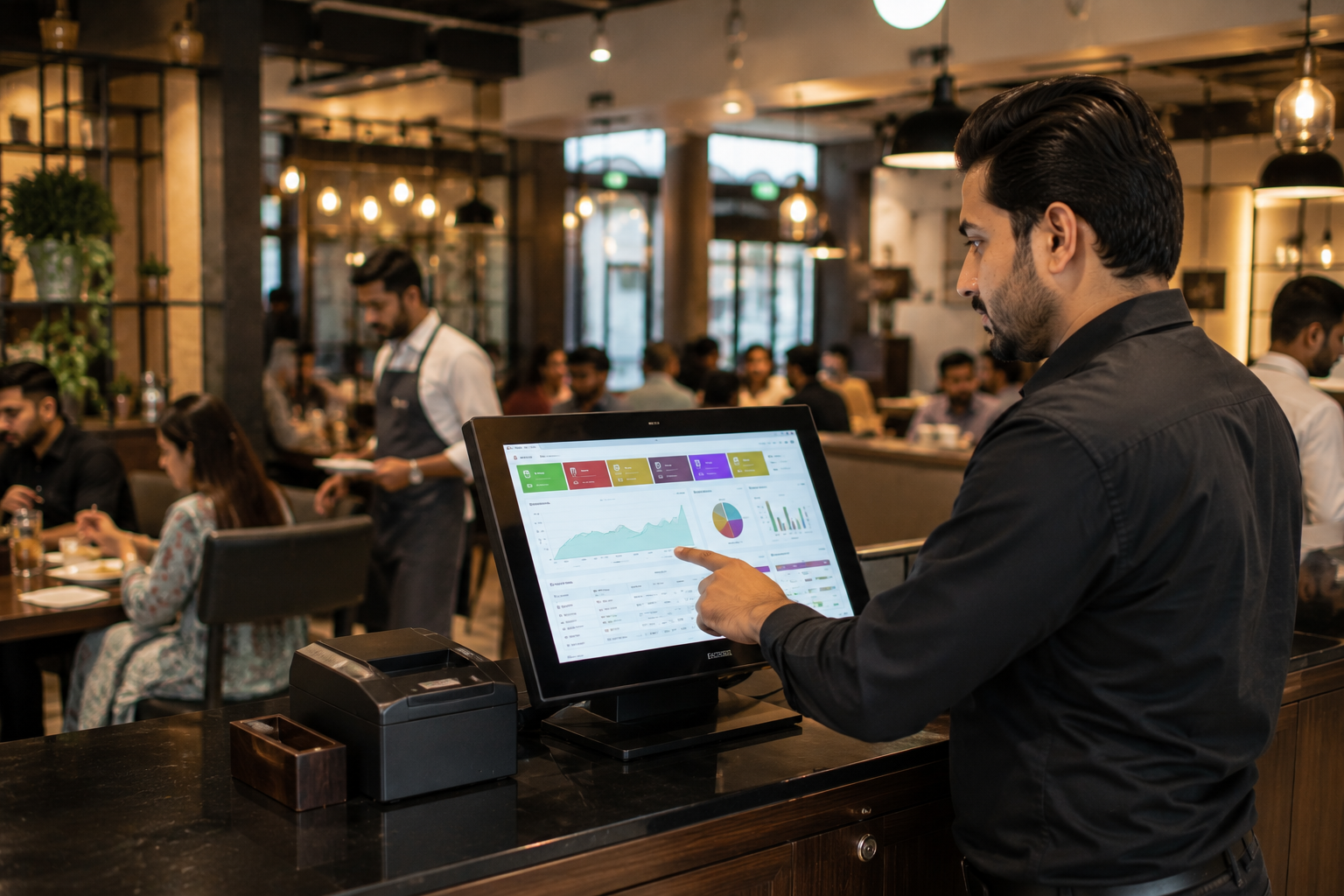
Integrated POS systems like Oscar solve this by bringing everything into one platform:
- Payments (cards + wallets)
- Inventory
- Sales analytics
- Compliance
This is not just operational convenience; it directly impacts profitability.
Final Takeaway
POS credit card processing is no longer just about accepting payments; it’s about building a complete, compliant, and scalable payment ecosystem.
Businesses in Pakistan that adopt integrated POS systems gain:
- Faster transactions
- Better reporting
- Regulatory compliance
- Higher customer satisfaction
And most importantly, they stop losing customers who expect digital payment options.
If you’re still managing payments, inventory, and reporting separately, you’re already losing efficiency and potentially, revenue.
Oscar brings everything into one system: card payments, digital wallets, FBR compliance, and real-time business insights.
See how it works in your own workflow.
Try the Oscar POS demo and experience a faster, smarter way to run your business.
FAQs
1. What is POS in credit card processing?
POS is the system that allows businesses to accept and process card payments by connecting the customer, bank, and payment network.
2. How do I process credit card payments for my business in Pakistan?
You need a POS machine from a bank, a merchant account, and a system to process transactions—preferably an integrated POS like Oscar.
3. What is a POS transaction in credit cards?
A POS transaction occurs when a customer pays using a card through a POS device, and the payment is authorized and processed electronically.
4. How long does it take to receive payments from POS transactions?
In Pakistan, settlement typically takes 1–3 business days depending on the bank.
5. What is the cost of a POS machine in Pakistan?
Costs vary but include setup fees, monthly rental, and transaction charges (MDR), usually between 1.5% to 3%.
6. Can small businesses accept credit card payments easily?
Yes. With modern POS systems and wallet integrations, even small businesses can accept card and digital payments without complexity.
7. How does Oscar help with POS credit card processing?
Oscar provides an integrated POS system that combines payment processing, inventory, reporting, and FBR compliance, making it easier for businesses to manage operations and accept payments efficiently.